

 プレビュー
プレビュー
 プリントを購入
 シェアする
シェアする シェアする
シェアする
 詳細を見る
詳細を見る

 ダウンロード
 似ている作品
 X線調査
X線調査 スライドショー
October Morning


 詳細を見る
詳細を見る




P118B $10

P118H $10

P118W $10

P438Z $10

P508JH $12

P508YH $12

P805H $10

P805Z $10

P919BZ $10

P919G $10

P919XJ $10

P959ZH $10

P968JZ $12

W106C $8

W218G $10

W218JH $8

W218Y $10

W307PJ $10

W316G $10

W316PJ $8

W316Y $10

W398PJ $8

W4111J $10

W500HY $15

W500JH $15

W692G $12

W849H $8

W940BG $15

W953PJ $8




作品のオリジナル比率に合わせた、当店の規定サイズからお選びください。

特定のフレームやスペースに合わせて、ご希望のサイズをご入力いただけます。選択されたサイズが元の画像の比率と異なる場合、アートワークをトリミングするか、手描きで要素を追加して絵画を拡張いたします。デジタルモックアップ を制作し、制作開始前にご確認(承認)をいただきます。
画面上のプレビューは、実際のトリミングや拡張を正確に反映しているものではありません。最終的な構図は、モックアップによってのみ正確にご確認いただけます。
カスタムサイズもご利用いただけますが、元の比率を維持するためには、あらかじめ用意されたリストからサイズを選択することをお勧めいたします。
ご注文後、OriginalUniqueArt.com チームより詳細な指示をお送りするとともに、仕上がりイメージ(モックアップ)をご提供いたします。


 ガラスオプションは、110cm未満のサイズでのみご利用いただけます。

October Morning
複製技法
複製画のサイズ
-


合計金額
$ 300
作品解説
October Morning: A Symphony of Autumnal Light by Dwight William Tryon
Dwight William Tryon’s “October Morning” isn't merely a landscape painting; it’s an immersion into the heart of a fleeting autumnal moment, captured with a delicate precision and imbued with a profound sense of tranquility. Painted in 1921, during a period when American art was increasingly embracing tonalism – a style prioritizing mood and atmosphere over sharp detail – this piece exemplifies Tryon's signature approach: a quiet contemplation of the natural world rendered through subtle color shifts and luminous washes.
The scene unfolds within a gently sloping meadow, bisected by a meandering stream reflecting the soft hues of the sky. A carefully arranged row of trees dominates the midground, their branches reaching upwards like supplicating arms, each leaf painted with an almost impossibly delicate gradation of greens, yellows, and ochres – a testament to Tryon’s mastery of layering thin glazes of oil paint. These aren't the bold, vibrant colors of Impressionism; instead, they are muted, atmospheric, evoking the fading warmth of the sun as it dips below the horizon. The distant trees recede into a hazy blue-grey, creating an illusion of depth and vastness that draws the viewer’s eye into the painting’s serene embrace.
The Tonalist's Palette: Technique and Style
Tryon’s technique is characterized by its meticulous attention to light and shadow. He employed a ‘wet-on-wet’ approach, applying paint while it was still wet on the canvas, allowing colors to blend seamlessly and creating soft edges that contribute to the painting's ethereal quality. The absence of harsh outlines or defined forms reinforces this sense of atmospheric depth. The use of thin glazes – multiple layers of translucent color applied over each other – builds up the image gradually, resulting in a luminous surface that seems to glow from within. This technique is deeply rooted in the Barbizon school of painting, which emphasized capturing the essence of nature rather than its literal representation.
Notably, Tryon’s work aligns with the broader artistic currents of his time. Influenced by James McNeill Whistler's emphasis on tonal harmony and color relationships, he sought to evoke a feeling of quiet contemplation and spiritual connection through his art. His paintings are often described as “luminist,” though he predates the more formalized Luminist movement, sharing its core principles of capturing fleeting moments of light and atmosphere.
Symbolism and Emotional Resonance
“October Morning” is rich in symbolic meaning, reflecting a deep connection to the rhythms of nature. The row of trees, stretching towards the horizon, can be interpreted as a symbol of resilience and endurance – mirroring the steadfastness of nature through the changing seasons. The stream, flowing gently across the meadow, represents the passage of time and the cyclical nature of life. The muted colors evoke feelings of peace, nostalgia, and melancholy—a poignant reminder of the beauty of impermanence.
More than just a depiction of a landscape, “October Morning” is an invitation to pause, reflect, and connect with the natural world. It’s a painting that speaks to our deepest longings for tranquility and connection, offering a moment of respite from the complexities of modern life. The soft light and muted colors create a sense of warmth and serenity, inviting the viewer to lose themselves in the beauty of this autumnal scene.
A Legacy of Serenity: Tryon’s Enduring Appeal
Dwight William Tryon's work continues to resonate with audiences today due to its timeless appeal. His paintings capture a sense of quietude and beauty that transcends time, offering viewers a glimpse into the heart of nature. His dedication to capturing subtle nuances of light and color has earned him recognition as one of America’s most important landscape painters. Reproductions of “October Morning” are prized by collectors and interior designers alike, bringing a touch of serenity and autumnal charm to homes and galleries around the world.
アーティストの略歴
幼少期と芸術への第一歩
Dwight William Tryonは、1849年、コネチカット州の静謐な風景の中にその生を受けた。ハートフォードにてアンソン・トライオンとデリア・O・ロバーツの間に生まれた彼の幼少期には、早すぎる父の死という暗い影が落ちた。その後、彼はイースト・ハートフォードにある祖父母の農場で育つこととなる。この田園生活への没入こそが、彼の人生における決定的な転換点となった。自然との深い結びつきは、後に彼の芸術的ビジョンを定義づける核心的な要素へと昇華されていったのである。当初、正式な美術教育を受けていなかったにもかかわらず、トライオンの芸術への天賦の才は自然な形で開花していった。地元の書店に客としてだけでなく従業員としても通っていた彼は、そこで見つけた技法書を通じて独学を深めていった。こうした初期の探求は単なる机上の学習に留まらなかった。彼は周囲の田園風景を描き出すために数え切れないほどの時間を費やし、光と影が織りなす繊細なニュアンスを紙の上に写し取っていったのである。このたゆまぬ献身は1870年の初作品の売却という結実を迎え、その後、地元の展覧会を通じてその才能が世に示されると、1873年にはナショナル・アカデミー・オブ・デザインへの入会を果たし、広く認められる存在へと歩みを進めた。欧州の影響と様式の形成
より本格的な修行を求めたトライオンは、1876年、自らの運命を変えるフランスへの旅へと踏み出した。エコール・デ・ボザールにてジャケソン・ド・ラ・シュブルーズに師事し、ヨーロッパの芸術的潮流の中に身を投じたのである。しかし、彼の学びは教室の中だけに留まらなかった。彼はシャルル=フランソワ・ドービニーやアンリ・アルピニエ、ジャン=バティスト=アントワーヌ・ギヨメといった巨匠たちの導きを求め、彼らの技法と哲学を吸収していった。初期のトライオンの様式は、大気の効果や輝かしい光を強調するリュミニスム(発光主義)に傾いていた。しかし、彼の芸術的探求はやがて別の方向へと分岐していく。自然の直接的な観察と抑制された色彩を重んじるバルビゾン派の理念に惹かれたのである。フランスで勢いを増していた印象派の潮流に囲まれながらも、トライロンは一貫してバルビゾン派の美学に忠実であり続け、その瞑想的な情緒と自然界の写実的な描写の中に、より深い共鳴を見出した。この時期、彼の芸術的発展に消し去ることのできない足跡を残したのがジェームズ・マクニール・ウィスラーであった。色彩の調和のとれた配置と、繊細な階調を重視するウィスラーのトナリズム(調性主義)は、トライオンの作風に決定的な影響を与えたのである。成熟した様式と大気の風景
1880年代後半に至ると、Dwight William Tryonは、アメリカにおけるトナリズムの旗手としての地位を確立する、象徴的な独自の様式を完成させていた。彼のキャンバスにはしばしば特徴的な構図が見られる。それは、中景に配置された木々の群れや途切れた並木が、上方の輝かしい空と、手前の湿原や牧草地とを繋ぐ視覚的な架け渡しの役割を果たすものである。これらの情景はしばしば秋の色彩に彩られ、静寂と哀愁を感じさせる。風景画のみならず、トライオンは海景画においても卓越した手腕を発揮した。パステルを用い、変化し続ける天候の下での水、空、そして砂浜が織りなす広大な美を捉えたのである。彼の真髄は、光の微細な移ろいや色彩の繊細な戯れ、そして情景全体に漂う情緒といった「大気」を表現する能力にこそあった。1897年のテネシー・センテニアル博覧会で最優秀賞を受賞した『塩沼、12月』は、まさにその技量の結晶であり、自然界の穏やかな美を捉える彼の才能を雄弁に物語っている。彼の作品は全米各地で継続的に展示され、ペンシルベニア・アカデミー・オブ・ファイン・アーツやモントロス・ギャラリーといった権威ある舞台で高く評価された。パトロン、称賛、そして不朽の遺産
トライオンのキャリアの軌跡は、鋭い審美眼を持つコレクターであり、最も重要なパトロンとなったチャールズ・ラング・フリーアとの出会いによって、より一層輝かしいものとなった。フリーアはトライオンの作品を数十点も収集し、さらにはデトロイトにある自身の邸宅の内装デザインにおいて、アーティストと協力関係を築くほどであった。この惜しみない支援があったからこそ、トライオンは芸術に全身全霊を捧げることができたのである。これらの作品の多くは、現在スミソニアン協会の高名なフリーアー・ギャラリー・オブ・アートに収蔵されている。その後も1908年にはカーネギー展においてカーネギー賞を受賞し、その時代の主要な芸術家としての地位を不動のものとした。生涯を通じて、トライロンはアメリカ芸術家協会やアメリカ水彩協会、ナショナル・インスティテュート・オブ・アーツ・アンド・レターズ(現アメリカ芸術アカデミー)といった名高い芸術組織の活動的な一員であった。1887年にはマサチューセッツ州サウス・ダートマスに夏の別荘を構え、それがその後の人生における主要な住居となった。また、彼は教育にも情熱を注ぎ、1886年から1923年までスミス・カレッジで教鞭を執り、そこでトライオン・ギャラリー・オブ・アートを設立した。Dwight William Tryonは1925年にこの世を去ったが、アメリカ・トナリズムへの貢献と、繊細な色彩と洗練された感性によって大気の風景や海景を描き出した比類なき才能とともに、豊かな芸術的遺産を後世に残した。彼の作品は今なお称賛され続け、スミソリン・アメリカン・アート・ミュージアムやフリーアー・ギャラリー・オブ・アートといった著名なコレクションに大切に保管されており、その芸術的ビジョンは世代を超えて受け継がれている。
ドワイト・ウィリアム・トライオン
1849 - 1925
基本情報
- Artistic Movement Or Style: トナリズム、バルビゾン派
- Artists Or Movements Influenced By This Artist: アメリカン・トナリズム
- Artists Who Influenced This Artist:
- ホイッスラー
- イネス
- ワイアント
- ドービーニー
- アルピニー
- Date Of Birth: 1849年8月13日
- Date Of Death: 1925年7月1日
- Full Name: ドワイト・ウィリアム・トライオン
- Nationality: アメリカ
- Notable Artworks:
- 塩沼、12月
- 春
- 月光下のニューベリーの干し草の山
- 最初の葉
- Place Of Birth: アメリカ合衆国、ハートフォード
関連記事
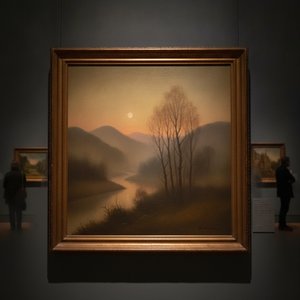
Tonalism Explained: The Art of Mood, Mist, and Masterful Color in Landscape Painting
Discover the evocative world of Tonalism. Explore how masters like Whistler and Tryon used mist, shadow, and subtle color to capture profound mood and atmosphere in landscape art. An expert guide for fine art enthusiasts and collectors.
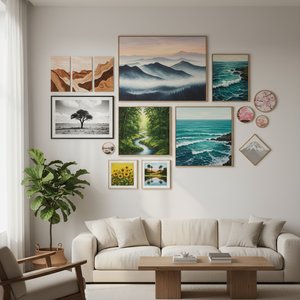
Beyond the Horizon: 10 Landscape Masterpieces for Your Home Decor
Journey through 10 breathtaking landscape paintings by Monet, Van Gogh & more! Explore iconic artworks, artistic techniques & find inspiration for your home decor. Museum-quality reproductions at OriginalUniqueArt.com. Discover all masterpieces on OriginalUniqueArt.com

ジョン・コンスタブルの傑作25選:英国風景画の巨匠が描く自然と光の詩 | OriginalUniqueArt
ジョン・コンスタブルの傑作25選。英国風景画の巨匠が描く自然と光の詩の世界へ。ロマン主義を代表する絵画、デダム・ヴェールやヘイ・ウェインなど、OriginalUniqueArtで高品質なアートプリントをお楽しみください。インテリアに深みと感動を。コレクションはこちら。

Evocations of Place: A Historical Journey Through Landscape Art
Explore the rich history of landscape art with OriginalUniqueArt. Discover renowned artists, movements like Impressionism & Romanticism, and expert guidance for collecting timeless pieces. Find your perfect serene escape today!
Serene Visions: Exploring Themes of Tranquility in Art History & Contemporary Practice
Explore the history of serene landscape art & discover artists who evoke tranquility. Find the perfect calming artwork for your home with expert guidance from OriginalUniqueArt.

