 シェアする
シェアする シェアする
シェアする
 詳細を見る
詳細を見る ガイドを表示

 ダウンロード
 似ている作品
 スライドショーを表示
 Q&A
Q&A 統計情報
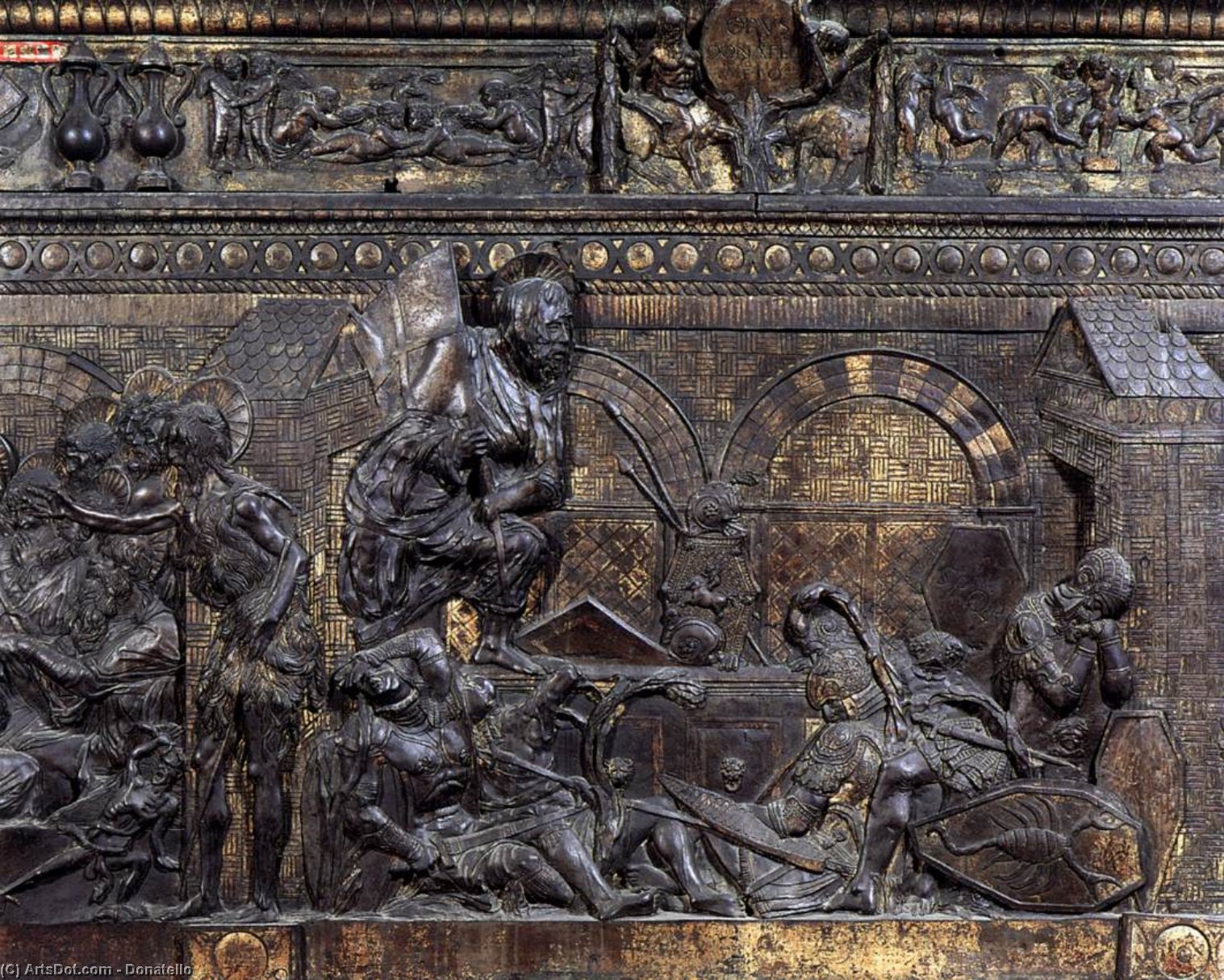
統計情報Christ before Pilate and Caiaphas


 詳細を表示
詳細を表示
ウェブ上のプレビューを遥かに凌駕する、印刷に最適なファイルをご提供します。当サイトで販売しているすべてのデジタル画像は、弊社のデータベース内にある高解像度のマスターデータ(通常、幅5,000〜15,000ピクセル)から作成されています。そのため、大判印刷や大胆なクロップ、細部まで緻密な再現も、安心してお楽しみいただけます。
当スタジオから送り出される画像は、すべて丁寧に加工されています。デジタルエキスパートが原画と照らし合わせて色調を精査し、必要に応じて補正を行った上で、プロ仕様のリタッチツールを用いて鮮明さと細部を向上させます。その際、アーティストの筆致やスタイルに忠実であることを常に追求しています。その結果、単なるスキャン画像にフィルターをかけたようなものではなく、まるで本物の絵画を見ているかのような仕上がりを実現しています。
仕上がりをご確認いただいてから完了となります。専門スタッフが、ご確認用の画像を72時間以内にメールでお送りいたします。もしご満足いただけない場合は、修正や改善のご要望を承るほか、品質が基準に満たない場合には返金も可能です。
出版社、デザインスタジオ、ギャラリー、そして印刷所から信頼される品質です。
デジタルアート
個人での鑑賞、印刷、クリエイティブなプロジェクトにご利用いただける高解像度ファイルをダウンロードできます。 ( プリント版に切り替え 手描き複製画を注文する)
デジタル画像のご注文に付随する特典
確かな品質による、プロフェッショナルなデジタル配信
OriginalUniqueArt.com を選ぶことは、単に画像を手に入れることではありません。プロの手によって精密に仕上げられ、満足保証が付いた高品質なデジタルアートワークを受け取ることを意味します。ご注文いただいた際に自動的に付随する内容は、以下の通りです:

メールですぐにお届け
ご注文から72時間以内に、高解像度のデジタル画像ファイルをメールでお送りいたします。お手元に届き次第、すぐにご利用いただけます。

AI技術で最適化されたデジタルファイル
お客様の作品は、高度なAI技術と専門家による手作業を組み合わせてプロフェッショナルに最適化されており、細部のディテール、鮮明さ、そして正確な色再現性を最大限に引き出しています。

生涯無料の再送サービス
ファイルを誤って削除したり、紛失してしまったりしましたか?ご安心ください。いつでも無料で再送いたします。

輸入手数料は、いつでも一切かかりません
関税や手数料、配送料を気にすることなく、お気に入りのアートワークをすぐにお楽しみいただけます。デジタルダウンロードは常に免税です。

正確な色彩の保証
プロ仕様のツールとカラーマネジメント技術を用いることで、デジタル画像が元の色を最大限に忠実に再現することを保証いたします。

100日間満足保証
ご購入いただいたデジタル画像にご満足いただけない場合は、100日以内であれば、理由を問わず修正または100%の返金対応をさせていただきます。

100% 返金保証
ご満足いただけない場合は、デジタルファイルを受け取ってから100日以内であれば、理由を問わず全額返金いたします。

まとめ買い割引
3枚購入で10%OFF、5枚購入で15%OFF、10枚以上のご購入で20%OFF。クリエイティブなプロジェクトやギャラリー、エージェンシーに最適です。
Donatello’s ‘Christ Before Pilate and Caiaphas’: A Crucible of Renaissance Emotion
Donatello's 1460 bronze sculpture, “Christ Before Pilate and Caiaphas,” stands as a monumental achievement within the burgeoning artistic landscape of the Italian Renaissance. Housed in the San Lorenzo museum in Florence, this work transcends mere biblical representation; it’s a visceral exploration of human drama, political intrigue, and spiritual torment – a testament to Donatello's revolutionary approach to sculpture that profoundly shaped the course of Western art. The sheer density of figures, meticulously rendered in warm bronze tones, immediately draws the viewer into the heart of the scene: Christ, positioned at the apex of the composition, confronts the Roman governor and the Jewish high priest, their faces etched with a potent blend of authority, doubt, and perhaps even veiled judgment.
- A Masterclass in Renaissance Realism: Donatello’s genius lies not just in his technical skill but in his ability to imbue stone – or in this case, bronze – with palpable emotion. The figures are not idealized abstractions; they possess a raw humanity, evident in the strained expressions and subtly shifting postures that convey the weight of the moment.
- The Power of Bronze Casting: The sculpture’s creation involved the complex process of bronze casting, a technique perfected by Donatello himself. This method, utilizing molds and molten metal, allowed for incredible detail – from the folds of Christ's garment to the stern features of Pilate – while simultaneously lending the piece an inherent sense of age and gravitas.
Historical Context and Symbolism
Created during a period of intense religious and political upheaval, “Christ Before Pilate and Caiaphas” reflects the anxieties and tensions of its time. The Renaissance was witnessing a renewed interest in classical antiquity, yet simultaneously grappling with the profound questions posed by Christianity. Donatello’s depiction of Christ is deliberately ambiguous, refusing to offer easy answers or simplistic moral judgments. The scene isn't merely a historical record; it’s an allegory for human fallibility and the struggle between good and evil. The inclusion of Roman soldiers and Jewish leaders underscores the political context of Christ’s trial – a microcosm of power struggles and accusations.
- Pilate’s Hesitation: Pilate's posture, often interpreted as one of reluctant compromise, is particularly compelling. His hands are clasped in a gesture of uncertainty, suggesting the moral dilemma he faced.
- Caiaphas’s Sternness: Conversely, Caiaphas embodies unwavering authority and religious zeal, his gaze fixed upon Christ with an expression of resolute condemnation.
Technique and Materiality
Donatello's mastery is immediately apparent in the sculpture’s surface treatment. The bronze has been skillfully patinated to achieve a rich, aged appearance, enhancing the sense of history and lending a tactile quality to the work. The artist employed strong lines to define the figures and their drapery, while finer details – such as the expressions on Christ's face and the folds in Pilate’s toga – are rendered with remarkable precision. The use of light and shadow further emphasizes the three-dimensionality of the sculpture, creating a dramatic effect that draws the viewer into the scene. The choice of bronze itself was significant; it was a material associated with strength, durability, and divine authority, perfectly suited to represent this pivotal moment in Christian history.
A Legacy of Innovation
"Christ Before Pilate and Caiaphas" is more than just a beautiful sculpture; it’s a cornerstone of Renaissance art. Donatello's innovative approach – his emphasis on realism, emotional expression, and the exploration of complex human themes – paved the way for generations of artists to come. Its influence can be seen in countless subsequent works, solidifying its place as one of the most important sculptures of the era. A hand-painted reproduction offers a remarkable opportunity to experience this masterpiece firsthand, bringing its power and beauty into your own space.
Q&A
「Christ before Pilate and Caiaphas」の色同士は、どのように調和していますか?
「Christ before Pilate and Caiaphas」の色彩の調和は、Discordant Paletteと表現されます。
ドナテッロ作「Christ before Pilate and Caiaphas」 に近い雰囲気の作品を探すには?
ドナテッロ作「Christ before Pilate and Caiaphas」に似た作品は、こちらの関連作品ページでご覧いただけます。
私の部屋には、"Christ before Pilate and Caiaphas" のどのプリントサイズが適していますか?
Living Roomでは、Christ before Pilate and CaiaphasはLargeのプリントサイズでの展示をおすすめします。
作家略歴
生い立ちと初期のキャリア
ドナート・ディ・ニコロ・ディ・ベット・バルディ、すなわちドナテッロとして知られる稀代の彫刻家は、1386年頃にイタリアのフィレンツェで産声を上げました。彼は古典彫刻の研鑽を積み、その学びは後の初期ルネサンス様式の確立に決定的な影響を与えることとなります。彼が切り拓いた芸術と文化への新たなアプローチは、やがてフィレンツェ・ルネサンスの象徴として、歴史に深く刻まれることとなりました。主要な作品と革新性
ドナテッロの最も名高い傑作『ダヴィデ』は、古代以来初となる、自立した裸体の男性彫刻でした。メディチ家からの依頼によって制作されたこの作品は、彼の革新的なスタイルと卓越した技術力を世に知らしめるものとなりました。他にも、彼の名を語る上で欠かせない重要な作品が数多く存在します:- サン・ルイ・ド・トゥールーズ(現在はサンタ・クローチェ聖堂美術館に収蔵):ドナテッロ自身がデザインした古典的な枠組みが特徴です。
- フィレンツェのサンタ・マリア・デル・フィオーレ大聖堂の鐘楼のために制作されたイサクの犠牲:力強い肖像細部が際立つ作品です。
- サンタ・クローチェのための磔刑像(1425年):キリストの苦悶の瞬間を鮮烈に描き出しています。
芸術的様式と遺産
ドナテッロの作風は、表現力の深化と古典的な記念碑性の追求という大きな段階を経て進化していきました。彼の革新的な試みは、当初からコミュニティに受け入れられたわけではありませんでしたが、やがて圧倒的な人気を博し、イタリア各地の宮廷やヨーロッパ全土の芸術家たちに多大な影響を与えることとなったのです。主要な芸術運動:私生活と制作スタイル
ドナテッロは親しみやすく、人々に愛される人物として知られていましたが、一方で芸術家としてのビジネス面においては、その才覚に欠ける一面もありました。彼は自身の手に負えないほどの依頼を引き受けてしまう傾向があり、そのため完成が遅れたり、他の彫刻家に制作を委ねたりすることも珍しくありませんでした。注目すべき作品と芸術家:美術館とコレクション
- コレッジャータ美術館(イタリア、エンポリ):ルネサンスの隠れた宝石とも言える場所であり、フランチェスコ・ボッティチーニやラファエロ・ボッティチーニの作品を収蔵しています。
- 初期イタリア・ルネサンス美術運動

ドナテッロ
1386 - 1466 , イタリア
プロフィール概要
- Artistic Movement Or Style: 初期ルネサンス
- Artists Or Movements Influenced By This Artist:
- イタリア・ルネサンス
- 初期ルネサンス
- フィレンツェ・ルネサンス
- Artists Who Influenced This Artist: ['古典彫刻']
- Date Of Birth: 1386年頃
- Date Of Death: 1466年
- Full Name: ドナテッロ・ディ・ニコロ
- Nationality: イタリア
- Notable Artworks:
- ダヴィデ像
- トゥールーズの聖ルイ
- イサクの犠牲
- 磔刑像
- Place Of Birth: イタリア、フィレンツェ