
 プレビュー
プレビュー
 シェアする
シェアする シェアする
シェアする
 詳細を見る
詳細を見る

 ダウンロード
 似ている作品
 X線調査
X線調査 スライドショー
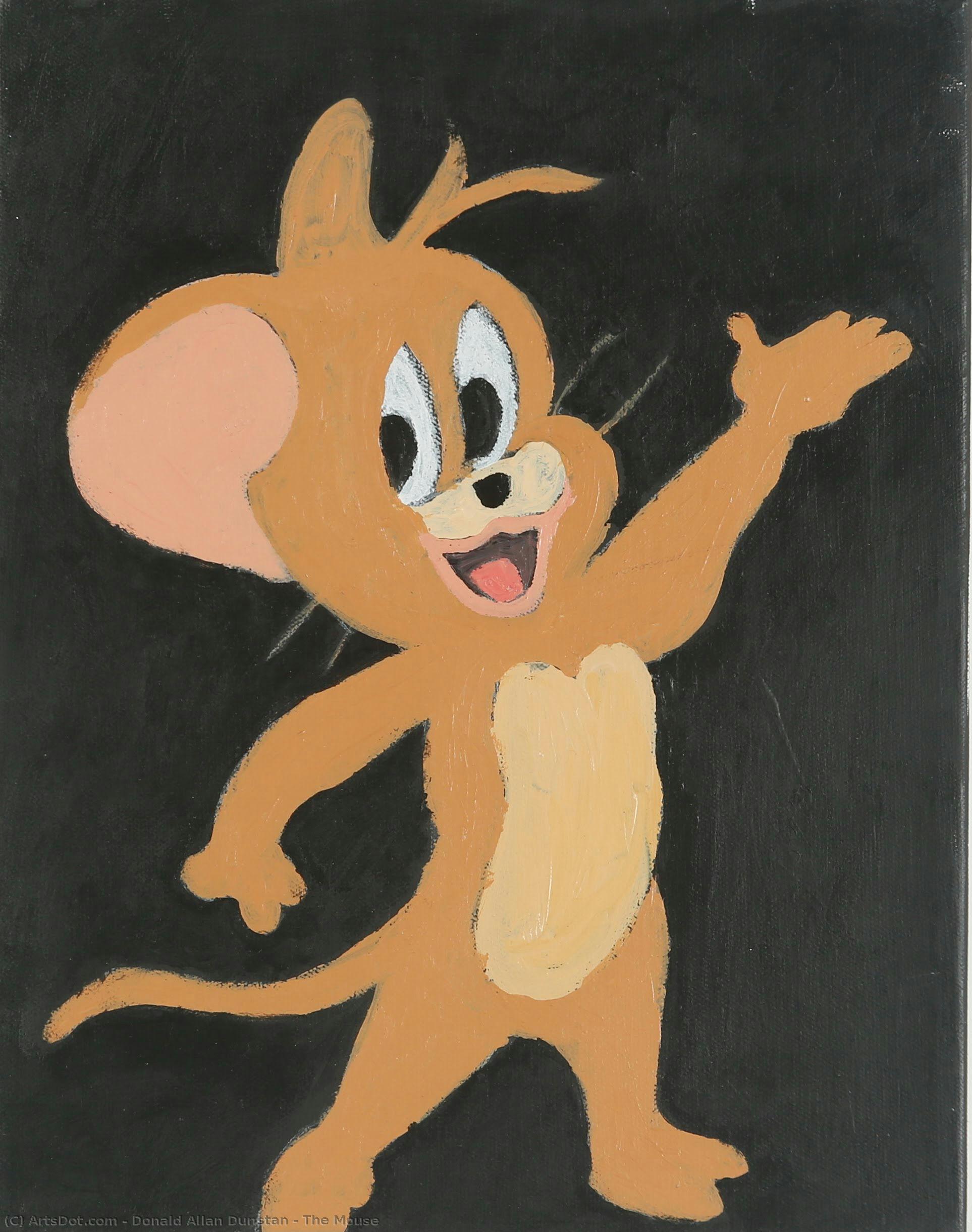
The Mouse

 詳細を見る
詳細を見る
手描き油彩複製画
当社のアーティストが、お客様のご希望のサイズと額縁に合わせて、キャンバスに手描きで制作する油彩画です。 ( プリント版に切り替え 画像に切り替え)




































作品のオリジナル比率に合わせた、当店の規定サイズからお選びください。

特定のフレームやスペースに合わせて、ご希望のサイズをご入力いただけます。選択されたサイズが元の画像の比率と異なる場合、アートワークをトリミングするか、手描きで要素を追加して絵画を拡張いたします。デジタルモックアップ を制作し、制作開始前にご確認(承認)をいただきます。
画面上のプレビューは、実際のトリミングや拡張を正確に反映しているものではありません。最終的な構図は、モックアップによってのみ正確にご確認いただけます。
カスタムサイズもご利用いただけますが、元の比率を維持するためには、あらかじめ用意されたリストからサイズを選択することをお勧めいたします。
ご注文後、OriginalUniqueArt.com チームより詳細な指示をお送りするとともに、仕上がりイメージ(モックアップ)をご提供いたします。


 ガラスオプションは、110cm未満のサイズでのみご利用いただけます。

The Mouse
複製技法
複製画のサイズ
-


合計金額
$ 300
アーティストの略歴
A Life Forged in Fiji: The Unexpected Path of Donald Allan Dunstan
Donald Allan Dunstan, a name often linked to the vibrant and sometimes controversial world of Mickey Mouse art, was far more than just a painter of iconic characters. Born in Suva, Fiji, in 1926, his journey from island life to becoming one of South Australia’s most transformative premiers is a story steeped in resilience, social justice, and an unexpected passion for pop culture. His early years were marked by displacement; at the age of two, his father took a managerial position with Morris Hedstrom Ltd in Nausori, Fiji, and then, due to health concerns, young Dunstan was sent to live with his maternal grandparents in Murray Bridge, South Australia, at the tender age of seven. This separation from his parents proved formative, instilling a sense of loneliness but also fostering a love for reading and music—seeds that would later blossom into a broader appreciation for art and culture. He returned briefly to Fiji before attending St Peter’s College in Adelaide on scholarship, laying the foundation for his legal studies at the University of Adelaide. This period was crucial; it wasn't merely an academic pursuit but a shaping of character, fueled by witnessing social inequalities that would later define his political career.From Law to Leadership: A Political Awakening
Dunstan’s entry into politics in 1953 as the Member for Norwood marked a turning point. He quickly rose through the ranks, becoming Attorney-General and Minister of Community Welfare and Aboriginal Affairs under Frank Walsh. However, it was his ascension to Premier of South Australia in 1967—and again from 1970 to 1979—that truly cemented his legacy. Dunstan wasn’t a conventional politician; he possessed an undeniable charisma and a willingness to challenge the status quo. He championed progressive reforms, tackling issues like sex discrimination, Aboriginal land rights, consumer protection, and censorship with unwavering determination. His commitment extended to immigration reform, actively working towards dismantling the White Australia Policy. This dedication to social justice wasn’t merely political strategy; it stemmed from deeply held beliefs forged during his childhood experiences and honed through years of legal practice. He was a true reformer, unafraid to push boundaries and advocate for those marginalized by society.The Mouse That Roared: An Artistic Diversion
While celebrated as a pioneering politician, Dunstan harbored a surprising artistic passion that emerged later in life. Following his retirement from politics in 1979, he dedicated himself to painting—specifically, an extraordinary series of works featuring Mickey and Minnie Mouse. This wasn’t a whimsical hobby but a deliberate act of rebellion against the perceived elitism of the art world. He saw in these beloved characters a universal appeal, a playful innocence that transcended social barriers. His “Mouse” series became instantly recognizable for its bold colors, simplified forms, and often subversive undertones. The Mouse, Mickey Mouse, and Minnie Mouse weren’t simply depictions of Disney icons; they were vehicles for social commentary, imbued with a playful yet pointed critique of contemporary society.A Unique Style: Pop Culture Meets Political Vision
Dunstan's artistic style was distinctly his own—a blend of pop art sensibilities and a keen awareness of political symbolism. He wasn’t interested in technical perfection but rather in conveying emotion and provoking thought. His paintings often featured the mice engaged in everyday activities, subtly challenging conventional notions of power, gender roles, and social norms. The simplicity of his compositions belied a deeper complexity, inviting viewers to question their own assumptions and biases.- His use of vibrant colors created an immediate visual impact.
- The repetition of the mouse motif served as a powerful symbol of accessibility and universality.
- Subtle satirical elements added layers of meaning to his work.
Historical Significance: A Legacy Beyond Politics
Donald Allan Dunstan’s impact extends far beyond the realm of politics. His artistic endeavors challenged conventional notions of what constituted “high” art, democratizing the creative process and making it accessible to all. He proved that art could be both playful and profound, capable of sparking dialogue and challenging societal norms. While his political achievements were significant—he is often hailed as South Australia’s greatest social reformer—his artistic legacy offers a unique insight into his multifaceted personality and unwavering commitment to social justice. His paintings remain a testament to his rebellious spirit, his playful intellect, and his enduring belief in the power of art to transform society. He passed away in 1999, leaving behind a body of work that continues to captivate and inspire, reminding us that even the most iconic characters can be used as tools for change.
donald allan dunstan
1926 - 1999 , Fiji
基本情報
- Artistic Movement Or Style: Pop culture paintings
- Date Of Birth: September 21, 1926
- Date Of Death: February 6, 1999
- Full Name: Donald Allan Dunstan
- Nationality: Australian
- Notable Artworks:
- Mickey Mouse
- Minnie Mouse
- The Mouse
- Place Of Birth: Suva, Fiji

