

 設置イメージを確認
 送る
送る シェア
シェア
 詳細情報
詳細情報 ガイドを表示

 画像をダウンロード
 似ている作品
 X線調査
X線調査 スライドショー
 統計情報
統計情報Seated Man with Sword


 続きを読む
続きを読む
ジークレー/アートプリント
スピーディーな制作と多彩な仕上げオプションが魅力の、ミュージアムクオリティなジークレー・キャンバスプリント。 ( 手描きの複製画を注文する デジタル画像販売へ切り替え)




































作品のオリジナル比率に合わせた、当店の規定サイズからお選びください。

額縁や壁のスペースに合わせて、ご希望の幅と高さを入力してください。プリントはカットすることは可能ですが、元の画像より大きくすることはできないため、異なる比率のサイズを選択された場合は、画像の一部が欠けることになります。印刷を開始する前に、内容を確認していただくためのデジタルモックアップをお送りいたします。このページに表示されている画像は、実際のカット後の状態を示すものではありません。実際の仕上がりはモックアップにてご確認ください。


 ガラスオプションは、110cm未満のサイズでのみご利用いただけます。

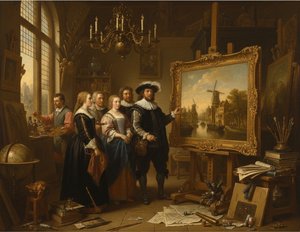
Seated Man with Sword
ジークレー/アートプリント
複製画サイズ一覧
-


合計金額
¥ 12596
A Moment of Reflection: "Seated Man with Sword" by Dirck Hals
This captivating painting, “Seated Man with Sword,” offers a glimpse into the refined domesticity of 17th-century Netherlands. Created around 1630 during the Dutch Golden Age, it exemplifies the era’s burgeoning interest in genre scenes – depictions of everyday life that moved beyond purely historical or religious narratives. Dirck Hals, though often overshadowed by his more famous brother Frans Hals, demonstrates a keen observational skill and a subtle understanding of human character within this work. The subject, a gentleman seated comfortably in an armchair, exudes an air of quiet contemplation as he appears engrossed in reading. The presence of the sword subtly hints at status or perhaps a military background, adding a layer of intrigue to his otherwise relaxed posture.Style and Technique: A Dutch Golden Age Legacy
Dirck Hals’s style reflects the broader artistic trends of the Dutch Golden Age, drawing inspiration from artists like Cornelis de Man and, undeniably, his brother Frans Hals. While Frans Hals is celebrated for his dynamic brushwork and lively portraits, Dirck's approach leans towards a more controlled and detailed execution. Observe how Hals renders the textures – the sheen of the hat, the grain of the wooden chair, the folds of the gentleman’s clothing – with meticulous care. The use of light and shadow creates depth and volume, bringing the scene to life. The composition itself is carefully balanced; the seated man anchors the image while the figures in the background provide context without distracting from the central subject. This demonstrates a mastery of perspective and spatial relationships characteristic of Dutch genre painting.Historical Context: The Rise of Genre Painting
The 17th century witnessed an unprecedented flourishing of art in the Netherlands, fueled by economic prosperity and a growing merchant class eager to adorn their homes with paintings that reflected their status and refined tastes. Genre painting became immensely popular, offering relatable scenes of daily life – from taverns and kitchens to studies and parlors. “Seated Man with Sword” is a prime example of this trend. It provides valuable insight into the social customs and interior design of the period. The presence of books and newspapers suggests an appreciation for learning and intellectual pursuits, while the comfortable setting speaks to a life of leisure and privilege. The painting’s popularity reflects a shift in artistic focus towards portraying the realities of contemporary society rather than solely relying on historical or religious themes.Symbolism and Emotional Impact
Beyond its depiction of everyday life, "Seated Man with Sword" carries subtle symbolic weight. The sword, as mentioned earlier, likely represents authority or a connection to military service, though it is displayed passively, suggesting a time of peace. The act of reading itself symbolizes knowledge, contemplation, and perhaps even wisdom. The overall mood of the painting is one of quiet dignity and intellectual engagement. There's a sense of calm introspection in the gentleman’s posture and expression, inviting viewers to share in his moment of reflection. While not overtly dramatic, the painting evokes a feeling of understated elegance and refined sensibility – qualities highly valued during the Dutch Golden Age.Bring History Home: A Hand-Painted Reproduction
Own a piece of Dutch Golden Age history with a meticulously hand-painted reproduction of "Seated Man with Sword." Our skilled artisans recreate every detail, from the subtle nuances of color to the intricate textures, ensuring an authentic and captivating artwork for your home or office. Whether you're an art enthusiast, collector, or interior designer seeking a touch of timeless elegance, this reproduction offers a unique opportunity to experience the beauty and artistry of Dirck Hals firsthand.よくあるご質問
ディルク・ハルス作「Seated Man with Sword」は、明るい印象の作品ですか、それとも暗い印象の作品ですか?
「Seated Man with Sword」の全体的な明るさはbalancedで、輝度はSoft Shadowです。
「Seated Man with Sword」の作者は誰で、どの様式に属していますか?
ディルク・ハルスは、Dutch Golden Ageのムーブメントの中で「Seated Man with Sword」を制作しました。
ディルク・ハルス作「Seated Man with Sword」に似た作品はどこで見つけることができますか?
ディルク・ハルス作「Seated Man with Sword」の似ている作品ページでは、関連する作品をご紹介しています。
アーティストについて
陽気な仲間たちの巨匠:ディルク・ハルスの生涯と遺産
比類なき芸術的開花と、急速に膨らみゆく商業的富によって定義された17世紀オランダの黄金の光の中で、ディルク・ハルスは、彼ならではの独自の領域を切り拓きました。1591年にハールレムで生まれたハルスは、深い創造的エネルギーに満ちた風景の中から現れ、伝説的な肖像画家である兄フランス・ハルスの名声という影の中で歩み始めました。しかし、ディルクを単なる脇役として捉えることは、彼がオランダ黄金時代にもたらした繊細な輝きを見落とすことと同義です。兄が印象的な肖像画を通じて個人の威厳ある本質を捉えたのに対し、ディルクは集団としての経験へと眼差しを向け、自然発生的で、陽気で、そして共同体的なものの中に深い美しさを見出したのです。
彼の芸術の旅路は、この時代の多くの偉大な巨匠たちの試練の場となった都市、ハールレムの伝統に深く根ざしていました。兄が提唱した新進する写実主義の影響を受けながら、ディルクは細部への緻密なこだわりと、社会的な交流の刹那的な瞬間を捉える驚くべき能力を備えた技法を磨き上げました。彼は「コンバーセーション・ピース(会話劇)」として知られるジャンルのスペシャリストとなりました。それは、活発な議論や音楽、あるいは共に楽しむ軽食の場面を描いた親密な情景です。これらの作品は単なる装飾品ではありませんでした。絹の質感、ピューター製の器の輝き、そして喜びや沈思、いたずら心に満える微妙な表情を捉えた、当時のオランダ共和国の社会構造を覗き見るための心理的な窓だったのです。
社会的な交流が奏でる交響曲
ディルク・ハルスの作品の本質は、その空気感の支配にあります。同時代の肖像画によく見られる形式的な硬直さとは異なり、ハルスの構図には動きと生命力が息づいています。「屋外での楽しい宴」を描いたときも、「晩餐会」の整然とした優雅さを描いたときも、彼はバロック様式の光の原理を駆使して奥行きとドラマを生み出しました。混雑した場面の中で鑑賞者の視線を導くことにおいて、彼は類まれな才能を持っていました。傾いたグラスや、恋人たちの交わす視線、あるいは、彼の情緒豊かな作品「手紙を持つ座る女性」に見られるような、手紙の上にそっと置かれた手の繊細な様子を、光を用いて際立たせたのです。
彼の作品は、家庭生活の謳歌と中産階級の繁栄が芸術の中心的テーマとなった、オランダ黄金時代の広範な文化的潮流を反映しています。祝祭的な集まりや舞踏会の描写を通じて、ハルスは莫大な経済成長を遂げた時代の生活のリズムを記録しました。これらの社会的儀式の壮大さと、その中に存在する親密な人間関係の両方を伝える能力によって、彼は単なる風俗画を超越し、「陽気な仲間」の情景を人間性の洗練された研究へと昇華させたのです。
歴史的意義と芸術的な足跡
彼のキャリアは1640年代のライデンでの活動を含む様々な中心地を巡りましたが、ハルスは常にハールレムの精神と本質的に結びついていました。芸術家としての彼の発展は、質感と光を描き出す能力の着実な洗練によって特徴づけられ、その小規模なキャンバスに記念碑的な感情的インパクトを与えることを可能にしました。レンブラントやルーベンスのような国際的な名声は得られなかったかもしれませんが、風俗画の伝統に対する彼の影響は極めて大きく、芸術家がいかにして日常的な社会生活の儚い美しさを捉えることができるかという青写真を示したのです。
今日、ディルク・ハルスの遺産はメトロポリタン美術館などの権威ある機関に収蔵された作品を通じて生き続けており、その鮮やかな精神は今もなお見る人々を魅了しています。美術史における彼の貢献は、以下の重要な要素によって定義されます。
- 風俗画への特化: 形式的な肖像画から離れ、ダイナミックな集団の物語へと向かう「陽気な仲間」の情景を完成させました。
- 心理的な深み: 単なる装飾を超え、描かれた人物たちは個々のキャラクターと感情的な存在感を放っています。
- 技術的な精密さ: 光と質感の習熟により、オランダの祝祭の場面に触知できるようなリアリティをもたらしました。
- 文化的な記録: 彼の作品は、17世紀オランダの社会慣習と祝祭的な雰囲気を示す極めて重要な視覚的記録となっています。
オランダ黄金時代という壮大なタペストリーの中で、ディルク・ハルスは今も欠かすことのできない一本の糸として存在しています。分かち合われる笑い、静かな囁き、そして人間としての経験における集団的な祝福の中にこそ、深い芸術性が見出されるのだということを、彼は私たちに思い出させてくれるのです。

ディルク・ハルス
1591 - 1656 , オランダ
アーティスト情報
- Artistic Movement Or Style: オランダ黄金時代
- Artists Or Movements Influenced By This Artist:
- ナサニエル・ベーコン
- ヨハン・フルスマン
- ヴィレム・コルネリス・デュイスター
- Artists Who Influenced This Artist: ['フランス・ハルス']
- Date Of Birth: 1591年
- Date Of Death: 1656年
- Full Name: ディルク・ハルス
- Nationality: オランダ
- Notable Artworks:
- 手紙を持つ座る女性
- 居酒屋での陽気な宴
- 音楽家たち
- Place Of Birth: オランダ、ハールレム
関連記事

Golden Age Reflections: Dutch Baroque Painting & Cultural Innovation
Explore the Dutch Golden Age of painting! Discover key artists like Vermeer & ter Borch, their innovative techniques, and the rich cultural context behind these Baroque masterpieces. Learn about collecting & appreciating this iconic art period.

黄金世紀の巨匠たち:バロック絵画が彩る10選|OriginalUniqueArt
オランダ黄金時代の10大傑作を紐解く!レンブラント、フェルメール…バロック絵画の魅力と時代背景を深く探求。OriginalUniqueArtで、至高のアートコレクションと空間演出のヒントを見つけよう。高品質なアートプリントで、お部屋を華やかに。
Illuminating Innovation: Exploring the Dutch Golden Age of Painting
Explore the Dutch Golden Age of painting with OriginalUniqueArt. Discover Rembrandt, Vermeer & other Masters. Learn about key characteristics, iconic artworks, and lasting influence. Expert insights for collectors & enthusiasts.

Frans Hals I: Innovation, Intimacy & the Dutch Golden Age Portrait
Explore the revolutionary portraiture of Frans Hals I, a master of the Dutch Golden Age. Discover his innovative techniques, captivating character studies & lasting impact on art history. Learn more at OriginalUniqueArt.

Golden Light & Dutch Skies: The Timeless Magic of Dutch Golden Age Landscapes
Discover the breathtaking beauty of Dutch Golden Age landscapes. Explore the mastery of light, chiaroscuro, and 17th-century realism through an expert art history lens, celebrating the enduring legacy of the Dutch Masters for discerning collectors and art lovers.
