

 プレビュー
プレビュー
 シェアする
シェアする シェアする
シェアする
 詳細を見る
詳細を見る

 ダウンロード
 似ている作品
 X線調査
X線調査 スライドショー
 統計情報
統計情報St John the Baptist
 Oil On Panel
- WallArt
- Early Renaissance
 1470
1470- Renaissance
 62.0 x 27.0 cm
 アルテ・ピナコテーク
 詳細を見る
詳細を見る
ジークレー/アートプリント
迅速な制作と多彩な仕上げオプションを備えた、ミュージアムクオリティのジークレーまたはキャンバスプリント。 ( 手描きの絵画を購入 デジタル画像販売へ切り替え)




P118B $10

P118H $10

P118W $10

P438Z $10

P508JH $12

P508YH $12

P805H $10

P805Z $10

P919BZ $10

P919G $10

P919XJ $10

P959ZH $10

P968JZ $12

W106C $8

W218G $10

W218JH $8

W218Y $10

W307PJ $10

W316G $10

W316PJ $8

W316Y $10

W398PJ $8

W4111J $10

W500HY $15

W500JH $15

W692G $12

W849H $8

W940BG $15

W953PJ $8




作品のオリジナル比率に合わせた、当店の規定サイズからお選びください。

特定のフレームやスペースに合わせて、ご自身でサイズを指定することも可能です。選択されたサイズが元の画像の比率と一致しない場合、作品をトリミングするか、鏡面反射または単色での塗りつぶしによって画像を拡張いたします。制作を開始する前に、ご確認用のデジタルモックアップをお送りいたします。
画面上のプレビューには、実際のトリミングや拡張は反映されませんのでご注意ください。最終的な構図を正確に確認できるのは、モックアップのみとなります。
カスタムサイズも承っておりますが、元の比率を維持するためには、あらかじめ用意されたリストからサイズを選択することをお勧めいたします。


 ガラスオプションは、110cm未満のサイズでのみご利用いただけます。

St John the Baptist
ジークレー/アートプリント
複製画のサイズ
-


合計金額
$ 80
A Vision of Solitude: The Spiritual Depth of St John the Baptist
In the quietude of the Early Netherlandish tradition, few works capture the essence of ascetic devotion as poignantly as Dieric Bouts the Younger’s St John the Baptist. Created around 1470, this masterpiece serves as a profound window into a period where art and piety were inextricably linked. The painting presents the saint not merely as a historical figure, but as an emblem of spiritual fortitude. Standing solitary within a rugged, mountainous landscape, John is depicted in a moment of deep contemplation. His presence is both commanding and humble, a duality that defines his role as the precursor to Christ. As the viewer’s eye wanders from the textured folds of his purple drapery to the distant, hazy peaks of the mountains, one feels the weight of his isolation and the immense strength found in silent prayer.
The composition is a masterclass in the use of landscape to mirror internal psychological states. The dramatic backdrop of craggy terrain serves as a deliberate biblical allusion to the prophet Elijah, grounding the saint within a lineage of desert-dwelling mystics. Through the gaps in the rocky formations, a distant cityscape emerges, suggesting the world that John has renounced in favor of the wilderness. This interplay between the wild, untamed earth and the far-off civilization creates a sense of profound depth and scale, inviting the observer to contemplate their own relationship with the material and spiritual realms.
Mastery of Light and Texture in the Flemish Tradition
Technically, this work is a testament to the incredible precision achieved by the masters of the Leuven school. Adhering to the stylistic legacies of Jan van Eyck and Rogier van der Weyden, Bouts the Younger utilizes the medium of oil on panel to achieve an almost tactile realism. Every element of the painting is rendered with meticulous care; the roughness of the stones, the delicate foliage clinging to the earth, and the heavy, rhythmic folds of the saint's garment all possess a palpable presence. The artist’s ability to manipulate light—diffusing it softly across the scene—avoids harsh shadows, instead creating a luminous atmosphere that seems to emanate from within the painting itself.
For the discerning collector or interior designer, this piece offers an unparalleled sense of atmospheric richness. The palette, dominated by cool blues and verdant greens in the distance, provides a serene contrast to the warmer, earthy tones of the foreground. This careful balance of color ensures that the work can serve as a sophisticated focal point in any curated space, bringing a sense of calm, historical gravity, and intellectual depth to a room. It is not merely a decoration, but an invitation to stillness.
A Timeless Symbol of Humility and Grace
Beyond its technical brilliance, the true power of St John the Baptist lies in its emotional resonance. The small plate held in the saint's hand, containing simple sustenance, acts as a subtle symbol of sacrifice and communion. It reminds us of the beauty found in simplicity and the dignity inherent in a life dedicated to a higher purpose. In an era of constant movement and noise, this painting offers a sanctuary of stillness.
Whether viewed as a historical artifact of the Burgundian Netherlands or as a contemporary piece of fine art, the work remains eternally relevant. It embodies the humanist spirit of the 15th century—a period that sought to find the divine within the details of the natural world. Owning a high-quality reproduction of this work allows one to bring this legacy of contemplative beauty into the modern home, fostering an environment of reflection, grace, and enduring artistic inspiration.
アーティストの略歴
フランドルの伝統に根ざした生涯
初期ネーデルラント絵画の歴史にその名を刻むディルク・バウツ(子)は、芸術的実践が深く浸透した血統から現れました。1415年頃、ベルギーのルーヴェンに生まれた彼は、単なる職業としての絵画ではなく、一つの遺産を受け継いだのです。それは父ディルク・バウツ(父)の遺志でした。父は、その影響力が子の芸術的軌道を繊細かつ深遠に形作ることとなる巨匠でした。ディルク(子)の形成期に関する詳細は謎に包まれていますが、彼が芸術を単なる技術ではなく「生き方」として捉える家族環境の中で才能を開花させたことは間違いありません。当時、商業と知的交流の活気ある中心地であったルーヴェンは、彼の成長にとって肥沃な土壌となりました。ブルゴーニュ公国領ネーデルラントにおける重要な交差点としての地位と、芽生えつつあった人文主義の精神は、彼を多様な芸術的潮流へと導いたことでしょう。また、彼は当時最も名高い画家の一人であるロヒール・ファン・デル・ウェイデンに師事し、その洗練された技法と感情豊かな様式を吸収することで、さらなる研鑽を積んだと考えられています。この徒弟修行は極めて重要な転換点となり、宗教的な物語や肖像画に対するバウツ独自の独創的なアプローチの礎を築いたのです。遠近法の革新と宗教的叙事詩
ディルク・バウツ(子)が際立っていたのは、確立された慣習からの急進的な逸脱によるものではなく、既存の技法に対する繊細かつ重大な進化によるものでした。彼は派手な革新を誇示しようとしたのではなく、空間表現に対する鋭い洞察力と、宗教的象徴に対する類まれな感受性を備えていました。その真髄は、彼の傑作である『最後の晩餐』(1464年、『聖体祭壇画』の中央パネル)に最も顕著に表れています。それまでの描写の多くがユダの裏切りを巡る劇的な緊張感に焦点を当てていたのに対し、バウツは「聖なる consecration(献身・聖変化)」の行為へと重点を移しました。キリストは葛藤に巻き込まれた人物としてではなく、厳かな儀式を執り行う司祭として描かれています。これは、聖体拝領の神学的な重要性を強調するための意図的な選択でした。さらに画期的だったのは、遠近法の革新的な使用です。彼はイタリア・ルネサンスの画家から取り入れた「単一消失点」の手法を用い、それまでの北方の絵画では見られなかった奥行きと写実性を創り出しました。これは単なる技術的な成果に留まりません。鑑賞者を場面へと引き込み、目の前で繰り広げられる聖なる出来事との間に、より親密な結びつきを育む役割を果たしたのです。『最後の晩餐』以外にも、バウツの作品は聖母子を描いた信心深いパネルから、ルーヴェンの市庁舎のために依頼された威厳ある正義のパネルに至るまで、多岐にわたります。これらの作品は、構図、色彩、細部への卓越した技術だけでなく、最も伝統的な主題にさえ静かな尊厳と精神的な響きを吹き込む彼の能力を物語っています。細部と信仰によって築かれた遺産
バウツの芸術様式は、しばしばある種の「原始的な硬さ」によって特徴づけられます。しかし、それは彼が描く人物に、その聖なる役割にふさわしい厳粛さと重厚さを与えるための意図的な性質なのです。ファン・デル・ウェイデンのような軽やかな優雅さや、ヤン・ファン・エイクのような緻密な写実性には及ばないものの、バウツは並外れた細部への眼差しと、色彩に対する卓越した支配力によってそれを補いました。宗教的な場面の背景としてしばしば用いられる彼の風景画は、特に注目に値します。それらは豊かな質感に満ち、大気の深みを感じさせます。また、『ダヴィドの聖母』などの数多くの信心深いパネルでは、繊細な仕草や表情を通じて、慈しみと母性を伝える手腕を見せています。肖像画については、他の作品ほど多作ではありませんが、人間心理に対する進化する理解と、構図への実験的な試みが示されています。ロンドンのナショナル・ギャラリーに収蔵されている『男の肖察』はその好例です。人物の斜め前を向いたポーズや、識別可能な背景の導入は、それまでのネーデルラントの肖像画の伝統からの脱却を象徴しています。1468年、バウツはルーヴェンの「市画家」という名誉ある地位に就き、この地域の主要な芸術家としての地位を固めました。彼は1475年の死に至るまで精力的に制作を続け、深い宗教的信仰と、芸術的卓越性への揺るぎない献身を反映した膨大な作品群を後世に残しました。歴史的な意義と永続する影響力
ディルク・バウツ(子)は、初期ネーデルラント絵画の歴史において極めて重要な位置を占めています。彼はファン・エイクとファン・デル・ウェイデンの様式を繋ぐ不可欠な架け橋として機能し、彼らの革新を取り入れながらも、自分自身の独特な芸術的声を確立しました。彼の先駆的な遠近法の使用は、イタリアの原理を完全に取り入れたわけではないにせよ、後の世代のフランドル画家たちがより自信を持って空間表現を探求するための道を開きました。さらに、『最後の晩餐』における司祭としてのキリストの役割に見られるような、宗教的場面の儀式的な側面への強調は、伝統的な図像学に対して新鮮で説得力のある解釈をもたらしました。ルーヴェンの市画家として、バウツはルネサンス期における街の芸術的景観を形成する上で決定的な役割を果たしました。彼の影響は、直接的な弟子や追随者の輪を超え、細部へのこだわり、信仰心、そして革新的な技法を追求した数多くの芸術家たちにインスピレーションを与え続けてきました。今日、ディルク・バウツ(子)は初期ネーデルラント絵画の巨匠として認められています。その作品は、静かな美しさ、精神的な深み、そして永続する遺産とともに、今なお見る者の心を捉え、鼓舞し続けているのです。
ディルク・バウトス(子)
1415 - 1475 , ベルギー
基本情報
- Artistic Movement Or Style: 初期ネーデルラント絵画
- Artists Or Movements Influenced By This Artist: ['フランドル派の画家']
- Artists Who Influenced This Artist:
- ヤン・ファン・エイク
- ロヒール・ファン・デル・ウェイデン
- Date Of Birth: 1415年頃
- Date Of Death: 1475年
- Full Name: ディレック・バウト(子)
- Nationality: フランドル
- Notable Artworks:
- 最後の晩餐
- 聖母の生涯の三連祭壇画
- キリスト降架の祭壇画
- 正義のパネル
- Place Of Birth: ベルギー、ルーヴェン
関連記事

ジョン・コンスタブルの傑作25選:英国風景画の巨匠が描く自然と光の詩 | OriginalUniqueArt
ジョン・コンスタブルの傑作25選。英国風景画の巨匠が描く自然と光の詩の世界へ。ロマン主義を代表する絵画、デダム・ヴェールやヘイ・ウェインなど、OriginalUniqueArtで高品質なアートプリントをお楽しみください。インテリアに深みと感動を。コレクションはこちら。

ジョン・シンガー・サージェント:至高の25選 - 美と光の肖像画の世界 | OriginalUniqueArt
ジョン・シンガー・サージェントの至高の25選。肖像画、写実主義、光と影の表現が美しい作品群を紐解きます。マダムXや少女の肖像など、時代を超えて愛される名作をOriginalUniqueArtで鑑賞。高品質なアート複製で、お部屋に美術館のような空間を。今すぐコレクションをご覧ください。
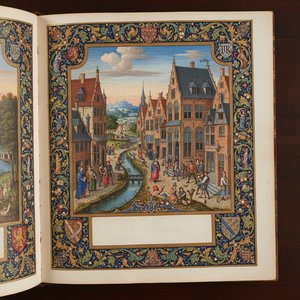
Illuminating Realism: Early Netherlandish Painting (15th-16th Centuries)
Explore the captivating world of Early Netherlandish painting! Discover Jan van Eyck, Hans Memling & more. Uncover symbolism, techniques & the legacy of these Flemish masters. A comprehensive guide for art enthusiasts.

エル・グレコの傑作25選:魂を揺さぶる宗教画と芸術の深淵 | OriginalUniqueArt
エル・グレコの傑作25選:魂を揺さぶる宗教画の世界へ。スペイン絵画の巨匠、マニエリスム様式と Toledo の光彩を紐解きます。OriginalUniqueArt.com で名画のアートプリントや複製画をお楽しみください。コレクションはこちら →
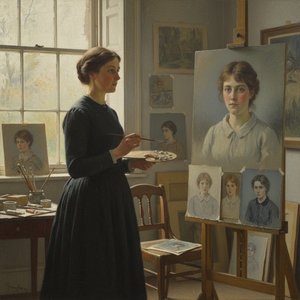
Gwen John: Intimacy, Modernity & the Quiet Power of Welsh Portraiture
Explore the captivating world of Gwen John, a pioneering Welsh artist renowned for her intimate portraits & subtle style. Discover her life, legacy, and how to bring her timeless beauty into your home with OriginalUniqueArt.