設置イメージを表示
 シェアする
シェアする シェアする
シェアする
 詳細を見る
詳細を見る ガイドを表示

 ダウンロード
 似ている作品
 X線調査
X線調査 スライドショーを表示
 Q&A
Q&A 統計情報
統計情報Philip IV

- 69.0 x 56.0 cm


 詳細を表示
詳細を表示
ジークレー/アートプリント
スピーディーな制作と多彩な仕上げオプションが魅力の、ミュージアムクオリティなジークレー・キャンバスプリント。 ( 手描き複製画を注文する デジタル画像販売へ切り替え)




P118B ¥10

P118H ¥10

P118W ¥10

P438Z ¥10

P508JH ¥12

P508YH ¥12

P805H ¥10

P805Z ¥10

P919BZ ¥10

P919G ¥10

P919XJ ¥10

P959ZH ¥10

P968JZ ¥12

W106C ¥8

W218G ¥10

W218JH ¥8

W218Y ¥10

W307PJ ¥10

W316G ¥10

W316PJ ¥8

W316Y ¥10

W398PJ ¥8

W4111J ¥10

W500HY ¥15

W500JH ¥15

W692G ¥12

W849H ¥8

W940BG ¥15

W953PJ ¥8




作品のオリジナル比率に合わせた、当店の規定サイズからお選びください。

額縁や壁のスペースに合わせて、ご希望の幅と高さを入力してください。プリントはカットすることは可能ですが、元の画像より大きくすることはできないため、異なる比率のサイズを選択された場合は、画像の一部が欠けることになります。印刷を開始する前に、内容を確認していただくためのデジタルモックアップをお送りいたします。このページに表示されている画像は、実際のカット後の状態を示すものではありません。実際の仕上がりはモックアップにてご確認ください。


 ガラスオプションは、110cm未満のサイズでのみご利用いただけます。

Philip IV
ジークレー/アートプリント
複製画サイズ一覧
-


合計金額
¥ 12617
The Majesty Captured: An Exploration of Velázquez’s Philip IV
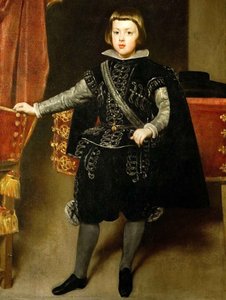
Diego Rodríguez de Silva y Velázquez's 1655 portrait, “Philip IV,” is more than simply a likeness of the Spanish King; it’s a meticulously constructed tableau of power, piety, and the subtle anxieties of a monarch presiding over a vast empire. Housed within the hallowed halls of the Museo del Prado in Madrid, this oil-on-canvas painting offers an intimate glimpse into the life of Philip IV, a man grappling with weighty responsibilities while projecting an image of regal authority. The sheer scale – 69 x 56 cm – draws the viewer into the scene, inviting contemplation alongside the subject himself.
Velázquez’s genius lies not just in his technical mastery but in his uncanny ability to convey character through gesture and expression. Observe how the King's gaze, direct and unwavering, meets the eye of the observer – a deliberate act of engagement that transcends mere portraiture. The slight downturn of his mouth hints at the burdens of rule, while the carefully arranged folds of his attire speak volumes about wealth, status, and the elaborate rituals of court life. The inclusion of the doorway in the background isn’t merely decorative; it creates a sense of depth and perspective, subtly framing Philip IV within a larger narrative – perhaps suggesting the vastness of Spain's dominion or the limitations imposed by his role.
A Masterclass in Light and Shadow: Velázquez’s Technique
The painting is a testament to Velázquez’s revolutionary approach to light and shadow, a technique he termed “sfumato” – an Italian term that perfectly captures its hazy, atmospheric effect. He doesn't employ stark contrasts but rather builds up layers of translucent color, creating a sense of volume and realism that was unprecedented for the time. Notice how the light catches the textures of the King’s clothing, highlighting the richness of the fabrics and the meticulous detail of his attire. The use of *chiaroscuro*, the dramatic interplay between light and dark, further emphasizes Philip IV's form and adds a profound sense of drama to the composition.
Velázquez’s brushwork is remarkably loose and expressive, particularly in the rendering of the King’s beard and mustache. Rather than meticulously outlining each strand, he employs short, broken strokes that capture the texture and movement of the hair with remarkable immediacy. This technique contributes to the painting's overall sense of vitality and realism – it feels as though we are witnessing a fleeting moment captured forever on canvas.
Historical Context: The Habsburg Court and Royal Portraiture
“Philip IV” was created during a pivotal period in Spanish history, a time of both immense wealth and growing instability. The Habsburg dynasty, under Philip IV’s rule, presided over an empire that stretched across Europe and the Americas, yet faced challenges from rival powers and internal dissent. Royal portraiture served as a crucial tool for asserting authority and reinforcing the legitimacy of the monarchy. Velázquez, as court painter, was tasked with presenting the King in his most favorable light – a task he accomplished with remarkable skill and subtlety.
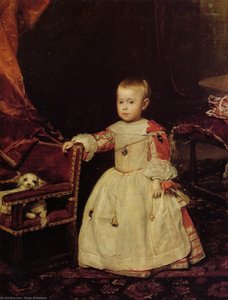
The painting’s stylistic elements—the bright hues against dark backgrounds, the elaborate head-dresses (though subtly rendered here), and the fashionable wide dresses of the attendants—are characteristic of the portraiture produced during the 1650s. These details reflect the prevailing fashions and artistic trends of the era, providing valuable insights into the material culture and social customs of 17th-century Spain. It’s important to note that this work is part of a larger series commissioned by Velázquez, offering a fascinating study in the evolution of his style and his evolving understanding of his subject.
Symbolism and Emotional Resonance
Beyond its technical brilliance, “Philip IV” resonates with profound symbolic meaning. The King’s posture – upright and dignified – conveys an image of strength and resolve. Yet, as mentioned earlier, the subtle expression on his face hints at the anxieties and responsibilities that weighed upon him. The painting is not simply a representation of a man; it's a meditation on power, duty, and the human condition. It invites us to consider the complexities of leadership and the burdens of maintaining an empire.
A reproduction of “Philip IV” offers a remarkable opportunity to bring this masterpiece into your home or office. OriginalUniqueArt.com provides meticulously crafted hand-painted reproductions that capture the essence of Velázquez’s original, allowing you to experience the artistry and historical significance of this iconic portrait firsthand.
作家プロフィール
光と影の巨匠:ディエゴ・ベラスケス
1599年にスペインのセビリアで生まれたディエゴ・ロドリゲス・デ・シルバ・イ・ベラスケスは、美術史において特筆すべき地位を占める画家である。彼はスペイン黄金世紀という帝国の威勢と文化的繁栄の時代を生きた。ハプスブルク朝の宮廷に深く結びつき、その芸術は帝国の壮大さと複雑さを映し出す鏡となった。謙虚な生い立ちから、ベラスケスは単なる画家以上の存在へと昇華した。彼は帝国の記録者となり、王族や貴族、そして日常の人々を前例のないリアリズムと心理的な深みで捉えたのである。フランシスコ・デ・ヘララ・エル・ビエホのもとでの教育、そして特にフランシスコ・パチェコの厳格な指導は、彼に技術、比率、古典的知識の基盤を与えた。しかし、彼を真に際立たせたのは、光、色彩、人間の性格に対する並外れた感受性という生まれながらの才能であった。初期作品である『卵を焼く老婆』でさえ、彼の革新的なジャンル画へのアプローチを示唆しており、ありふれた場面に尊厳と生々しさを吹き込んでいる。宮廷への昇進:フィリップ4世との関係
24歳という若さでマドリードに移り住み、権力の中心である王宮の庇護を求める決断は、ベラスケスの人生における転換点となった。彼はすぐにその才能が認められ、1628年にフィリップ4世の宮廷画家として任命された。この地位は単なる職を得るというだけではなく、王室とその家臣たちへの前例のないアクセスを意味し、彼に絵筆を通して宮廷の記録者となることを可能にした。多くの宮廷画家が被写体を理想化していたのに対し、ベラスケスは揺るぎないリアリズムを追求した。彼はフィリップ4世を遠い権威の象徴としてではなく、知性的で憂鬱であり、責任に重く悩む一人の人間として描いたのである。この真実へのコミットメントと卓越した技術が、彼の王からの信頼と芸術的な自由度を高めた。初期の宮廷肖像画は、より自然な姿と心理的な洞察力を追求しながら、従来のスペインの肖像画の硬直した形式から脱却する進化を示している。ヴェネツィア人巨匠ティツィアーノの影響——フィリップ4世が熱心に収集した画家——は、ベラスケスのブラシワークや色彩パレットにおける豊かさにおいて明らかである。彼はヴェネツィア絵画の教訓、特に色彩と大胆な筆致への重点を吸収し、それを独自のスタイルへと昇華させたのである。芸術的革新の頂点:『女官たち』とそれ以外
ベラスケスの芸術的な才能は1650年代に最高潮に達し、『女官たち』(1656年)という傑作の制作につながった。この絵画は単なる肖像画ではなく、芸術そのものについての複雑な瞑想である。それはインファンタ・マルガリータ・テレサを囲む女官、小人、そして宮廷の他のメンバーを描いており、ベラスケス自身が大きなキャンバスの前で絵を描いているかのように捉えられている。背景にある鏡に映し出された王と女王の姿は、観察者と被写体、現実と表現の境界線を曖昧にする、さらなる謎を加えている。『女官たち』は、遠近法、構成、心理的洞察力の傑作であり、鑑賞者に見ていく行為そのものを疑問視するように挑戦している。それは見る人、見られる人、そして芸術創造の本質についての絵画なのである。この時期の他の重要な作品には、『ブレダの降伏』というスペインの勝利を人間味あふれる形で描いた力強い作品や、『オーストリアのマリアナ女王』など、王族の威厳と内面の脆弱さを捉えた肖像画がある。彼の技術は引き続き進化し、大胆な筆致、微妙なトーンの変化、光と大気に対する並外れた感受性という特徴が際立っており、後世の芸術家に大きな影響を与えることになるのである。遺産と永続的な影響
1660年にマドリードで亡くなったディエゴ・ベラスケスは、西洋美術の進路に深く影響を与えた作品群を残した。彼のリアリズムへの重点、光と影の革新的な使用法、そして心理的な深さは、絵画における新たな地平を開いた。彼は単に外見を記録していたのではなく、人間の経験の本質を捉えていたのである。19世紀には、ギュスターヴ・クールベのようなフランスの実証主義画家が、理想化を排した生活の描写へのコミットメントにおいて、ベラスケスをモデルとした。エドゥアール・マネは、『女官たち』に直接言及して自身の作品に取り入れ、スペイン人巨匠のビジョンの永続的な力を実証している。20世紀には、パブロ・ピカソやフランシス・ベーコンなどの芸術家が、彼の最も有名なイメージを再解釈することでベラスケスの絵画に敬意を表したのである。例えば、ピカソは『女官たち』のバリエーションシリーズを作成し、その構成構造と心理的な複雑さを探求している。今日、ベラスケスの傑作は世界中の美術館で展示されており、特にマドリードのプラド美術館では、この並外れた芸術家の輝きを直接体験することができるのである。彼の遺産は今なお畏敬の念を起こさせ、感銘を与え続けており、光、影、そして人間の精神の巨匠としての地位を確固たるものにしている。主要作品とコレクション
- 『女官たち』(1656年):プラド美術館、マドリード——彼の最も有名な作品であり、王室の複雑な肖像画である。
- 『ブレダの降伏』(1634-1635年):プラド美術館、マドリード——人間味あふれるスペインの勝利を描いた力強い作品。
- 『鏡を見るヴィーナス』(c. 1647–1651年):プラド美術館、マドリード——彼の美とリアリズムを組み合わせる技術を示す。
- 『オーストリアのマリアナ女王』(1649年):プラド美術館、マドリード——王族の優雅さを際立たせた素晴らしい肖像画。
- 『教皇インノケンツ10世の肖像』(1650年):ドーリア・パンフィーリ美術館、ローマ——司教を捉えた印象的で型破りな描写。
- 『自画像』(1643年):バルレンシア美術館——威厳と内省的な芸術家を描いた作品。
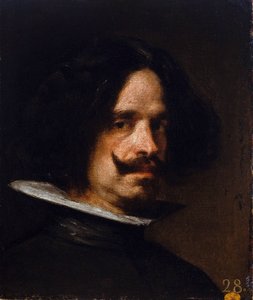
ベラスケス
1599 - 1660 , スペイン
プロフィール概要
- フルネーム: ディエゴ・ロドリゲス・デ・シルバ・イ・ベラスケス
- 主な作品:
- ラス・メニーナス
- ブレダの降伏
- ヴィーナスの鑑賞
- 教皇インノケンツ10世の肖像
- 出身地: セビリア(スペイン)
- 国籍: スペイン
- 影響を与えたアーティスト/運動:
- マネ
- クールベ
- ピカソ
- 影響を受けたアーティスト: ['ティツィアーノ']
- 死亡年月日: 1660年8月6日
- 生年月日: 1599年6月6日
- 芸術運動/スタイル: バロック、写実主義
関連記事

プラド美術館の至宝25選:名画が語るスペイン美術史 | OriginalUniqueArt
プラド美術館の至宝25選🎨 ベルラスケス、ゴヤの名画を紐解き、スペイン美術史を旅する。油絵、バロック、印象派…OriginalUniqueArtで高品質な複製画とインテリアアートを見つけよう。名画の世界をあなたの空間に✨ Explore the full collection online!
Spanish Baroque Art: The Dramatic Mastery of Light and Shadow in the Age of Velázquez
Explore the profound drama of Spanish Baroque art. Delve into the mastery of light, shadow, and realism through the legendary works of Diego Velázquez and the Spanish Golden Age.

The Golden Age Reforged: Dramatic Realism & Religious Zeal in Spanish Baroque Art
Explore the dramatic world of Spanish Baroque art! Discover masters like Zurbarán & the powerful influence of religious zeal on painting techniques – a guide for collectors and enthusiasts.
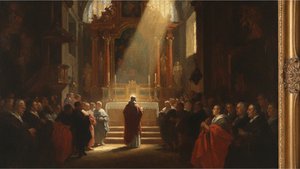
Spanish Baroque Art: The Dramatic Mastery of Light and Shadow in the Age of Velázquez
Explore the profound drama of Spanish Baroque art. Delve into the mastery of light, shadow, and realism through the legendary works of Diego Velázquez and the Spanish Golden Age with our expert-led historical guide.

バロック美術を極めた至宝:時代を彩る10大名作の世界
バロック美術の華!カラヴァッジョ、ベルニーニら巨匠が創り上げた10大名作を徹底解剖。ドラマチックな色彩と豪華絢爛の世界観に触れ、至宝のアートプリントで空間を彩ろう。OriginalUniqueArt.comで美術館品質の複製と洗練されたインテリアを見つけましょう!