

 プレビュー
プレビュー
 プリントを購入
 シェアする
シェアする シェアする
シェアする
 詳細を見る
詳細を見る

 ダウンロード
 似ている作品
 X線調査
X線調査 スライドショー
Ofrenda II
 Acrylic On Canvas
- WallArt
- Mexican Mural Movement
 1954
1954 37.0 x 26.0 cm
 Museo Dolores Olmedo
 詳細を見る
詳細を見る




P118B $10

P118H $10

P118W $10

P438Z $10

P508JH $12

P508YH $12

P805H $10

P805Z $10

P919BZ $10

P919G $10

P919XJ $10

P959ZH $10

P968JZ $12

W106C $8

W218G $10

W218JH $8

W218Y $10

W307PJ $10

W316G $10

W316PJ $8

W316Y $10

W398PJ $8

W4111J $10

W500HY $15

W500JH $15

W692G $12

W849H $8

W940BG $15

W953PJ $8




作品のオリジナル比率に合わせた、当店の規定サイズからお選びください。

特定のフレームやスペースに合わせて、ご希望のサイズをご入力いただけます。選択されたサイズが元の画像の比率と異なる場合、アートワークをトリミングするか、手描きで要素を追加して絵画を拡張いたします。デジタルモックアップ を制作し、制作開始前にご確認(承認)をいただきます。
画面上のプレビューは、実際のトリミングや拡張を正確に反映しているものではありません。最終的な構図は、モックアップによってのみ正確にご確認いただけます。
カスタムサイズもご利用いただけますが、元の比率を維持するためには、あらかじめ用意されたリストからサイズを選択することをお勧めいたします。
ご注文後、OriginalUniqueArt.com チームより詳細な指示をお送りするとともに、仕上がりイメージ(モックアップ)をご提供いたします。


 ガラスオプションは、110cm未満のサイズでのみご利用いただけます。

Ofrenda II
複製技法
複製画のサイズ
-


合計金額
$ 300
Ofrenda II: A Tapestry of Remembrance – Diego Rivera’s Echoes of Tradition
Diego Rivera's “Ofrenda II,” painted in 1954, is more than just a depiction of the Day of the Dead; it’s a vibrant portal into the heart of Mexican cultural heritage. This striking black and white drawing captures a pivotal ritual – the elaborate preparations for honoring deceased loved ones on November 1st and 2nd – revealing a complex interplay of symbolism, artistic technique, and deeply rooted traditions. The scene unfolds within a modestly furnished room, dominated by a table laden with offerings, meticulously arranged upon a bed of crimson sawdust. This foundational element immediately establishes the artwork’s connection to ancient indigenous practices, where sawdust served as a sacred ground for honoring ancestors. The composition is anchored by two women engaged in a quiet, intimate exchange. Their postures and expressions suggest a shared reverence and perhaps even a moment of solace. While their identities remain ambiguous, they embody the spirit of community and familial bonds central to the Day of the Dead celebrations. Notice how Rivera masterfully uses light and shadow to draw attention to specific elements – the vibrant colors of the sugar skulls, the glistening fruits, and the carefully positioned candles. These aren’t merely decorative; they represent sustenance for the souls returning from the afterlife, a tangible expression of love and remembrance. The inclusion of a book and a vase adds a layer of domesticity, grounding the scene in everyday life while simultaneously elevating it to a sacred ritual.The Roots of Ritual: Pre-Hispanic Influences and Colonial Synthesis
“Ofrenda II” is deeply rooted in Mexico’s pre-Columbian past. The tradition of honoring the dead predates European colonization, with indigenous cultures constructing elaborate offerings to appease and nourish departed spirits. Rivera, keenly aware of this heritage, deliberately incorporated these ancient practices into his work. However, the painting isn't simply a nostalgic reproduction; it reflects a synthesis of traditions – a blending of pre-Hispanic symbolism with elements introduced during the colonial period. The use of purple, pink, or orange sawdust, for instance, is a direct continuation of indigenous customs, while the inclusion of items like sugar skulls and elaborate floral arrangements speaks to the influence of Catholic iconography prevalent in post-colonial Mexico. This careful juxtaposition highlights the dynamic evolution of Mexican identity – a testament to resilience and cultural adaptation.Rivera’s Technique: A Masterclass in Composition and Detail
Rivera's distinctive style is immediately recognizable in “Ofrenda II.” He employs a meticulous, almost photographic realism, capturing every detail with remarkable precision. The textures of the fruits, the folds of the fabric, and the intricate patterns on the sugar skulls are rendered with astonishing clarity. This attention to detail isn’t merely aesthetic; it serves to emphasize the sacredness of the ritual. Rivera's use of black and white further enhances this effect, creating a stark contrast that draws the viewer's eye to the central elements of the composition. The careful arrangement of objects – each chosen for its symbolic significance – demonstrates Rivera’s deep understanding of Mexican culture and his ability to translate complex traditions into a visually compelling narrative.Symbolism and Emotional Resonance: A Celebration of Life and Remembrance
Beyond its technical brilliance, “Ofrenda II” resonates with profound emotional depth. The painting is not simply about death; it’s about life – the enduring bonds between generations, the importance of memory, and the celebration of those who have passed on. The act of creating an offering is a powerful affirmation of love and connection, a way to keep the spirits of ancestors alive in the hearts and minds of the living. The quiet intimacy between the two women suggests a shared grief tempered by acceptance and gratitude. “Ofrenda II” invites us to contemplate our own relationships with those who have shaped our lives and to honor their memory through acts of remembrance and celebration. It’s a poignant reminder that death is not an ending, but rather a transition – a continuation of the cycle of life and love.This artwork is available as a high-quality reproduction by OriginalUniqueArt.
アーティストの略歴
幼少期と芸術的覚醒
1886年12月8日、メキシコのグアナフアトにて、ディエゴ・マリア・デ・ラ・コンセプシオン・フアン・ネポムセノ・エスタニスラオ・デ・ラ・リベラ・イ・バリエントス・アコスタ・イ・ロドリゲスという名で生まれたディエゴ・リベラは、すでに芸術的な感性に満ちた世界へと足を踏み入れました。わずか3歳の頃から、彼の中に芸術への抗いがたい情熱が芽生え、その才能を見出した両親の温かな導きによって、その輝きは育まれていきました。幼少期はメキシコシティのサン・カルロス・アカデミーでの正統な教育に捧げられ、そこで伝統的な絵画や彫刻の技術をたゆまぬ努力で磨き上げました。そして1907年、テオドロ・A・デエサ・メンデスによる惜しみない海外留学の支援が、彼をヨーロッパの芸術的熱狂の渦中へと送り出す決定的な転機となりました。
最初の滞在地となったスペインのマドリードでは、エドゥアルド・チチャロに師事し、リアリズムの真髄を吸収していきました。しかし、彼の創造的な進化に真の火を灯したのはパリでした。活気あふれるモンパルナス・コミュニティに身を投じたリベラは、万華鏡のように変化する芸術的視点に出会い、とりわけ1912年以降にはキュビスムという革命的な原理に触れることとなります。パブロ・ピカソやジョルジュ・スーラの影は彼の作品の中に鮮明に現れ、形態を解体し、交差する平面を探求し始めました。それは伝統的な表現からの脱却であり、後の彼の芸術的旅路を決定づける重要な局面となりました。
メキシコへの帰還と壁画ルネサンス
1921年、革命の余波に揺れる祖国メキシコへと帰還したとき、リベラの中に深い変革が訪れました。この帰郷は単なる地理的な移動ではなく、思想的な覚醒でもありました。彼は、当時の社会的・政治的な激動に対する力強い芸術的応答として芽生えつつあった「メキシコ壁画運動」の中心的人物となったのです。この運動は、芸術を特権階級の閉ざされた輪から解き放ち、すべての市民が触れられる公共空間へと開放し、芸術を民主化することを目指していました。
リベラの壁画は、単なる装飾品ではありませんでした。それはメキシコの歴史、文化、そして社会的な闘争を描き出す力強い物語だったのです。『創造』(1922年)といった初期の傑作では、エンカウスティック(エングコースト)技法の革新的な活用が見られ、メキシコシティの公共教育省における記念碑的な作品群では、大きく簡略化された人物像と大胆な色彩を特徴とする独自のスタイルが確立されました。それはアステカ美術や先コロンブス期の美学への意図的なオマージュでした。これらの壁画は単なる絵画ではなく、先住民のルーツと革命精神から鍛え上げられた新しい国家アイデンティティを宣言する、視覚的なマニフェストだったのです。
社会意識によって形作られたスタイル
ディエゴ・リベラの芸術様式は、一目でそれと分かるほど強烈です。見る者を圧倒する記念碑的なスケール、力強いメッセージを伝える簡略化された形態、メキシコ文化の豊かさを呼び起こす鮮やかな色彩、そして社会や歴史の物語に対する揺るぎない眼差し。彼の作品は単なる審美的な追求に留まらず、自身の政治的信念、特にマルクス主義的な確信と深く結びついていました。
『アラメダ公園の日曜日の夢』は、無神論を描いたことで議論を呼んだものの、おそらく彼の最も象徴的な作品の一つでしょう。また、デトロイト・インダストリー・ミュージアムのために制作された『デトロイト産業壁画』(1933年)は、機械の力強さとそれを操る労働者の尊厳の両方を描き出し、産業社会のダイナミズムと複雑さを捉える彼の卓越した能力を証明しています。彼はメキシコの民俗芸術の要素と先コロンブス期のイメージをシームレスに融合させ、伝統と現代性が力強く統合された、彼独自の視覚言語を創り上げたのです。
遺産と永続する影響力
20世紀の芸術におけるディエゴ・リベラの影響は計り知れません。彼は単にメキシコで最も重要な芸術家の一人として記憶されているだけでなく、その作品が今日でも世界中の観衆の心に響き続けるグローバルなアイコンとして存在しています。彼の壁画は単なる芸術的達成にとどまらず、社会写実主義とパブリックアートの極めて重要な例であり、人間の条件と社会正義のための闘争を訴えかける力強い声明なのです。
彼はメキシコ壁画運動を影響力のある芸術運動として確立させる上で中心的な役割を果たし、後世のアーティストたちが自らの作品を社会批評の手段として用いるためのインスピレーションを与えました。また、情熱的で時に波乱に満ちたフリーダ・カーロとの私生活は、彼のすでに魅惑的なレガシーにさらなる深みと謎を与え、大衆文化における彼の地位を不動のものにしました。
名もなき人々の生活と苦闘を描き出そうとするリベラの献身は、その革新的な技法と相まって、彼の作品がこれから先の世代においてもインスピレーションを与え続け、思考を喚起し続けることを約束しています。彼が遺した作品群は、視覚的に圧倒される美しさを持つだけでなく、深い意味を湛えています。それは、歴史や文化、そして私たち自身への理解を形作る芸術の力を証明するものなのです。
主な作品
- 創造 (1922年): エンカウスティック技法を用いた、彼の最初の重要な壁画。
- アラメダ公園の日曜日の夢: 無神論や歴史的人物を描いたことで議論を呼んだ作品。
- 公共教育省の壁画: アステカ美術の影響を受けた、大きく簡略化された形態と鮮やかな色彩による独自のスタイルを示す。
- デトロイト産業壁画 (1933年): デトロイト・インスティテュート・オブ・アーツのために制作され、産業プロセスと労働者を描写。

ディエゴ・リベラ
1886 - 1957 , メキシコ
基本情報
- Artistic Movement Or Style: メキシコ壁画運動、キュビズム
- Artists Or Movements Influenced By This Artist: ['メキシコ壁画運動']
- Artists Who Influenced This Artist:
- パブロ・ピカソ
- ジョルジュ・スーラ
- Date Of Birth: 1886年12月8日
- Date Of Death: 1957年11月24日
- Full Name: ディエゴ・マリア・デ・ラ・コンセプシオン・フアン・ネポムセノ・エスタニスラオ・デ・ラ・リベラ・イ・バリエンタス・アコスタ・イ・ロドリゲス
- Nationality: メキシコ人
- Notable Artworks (List Of Titles):
- 創造
- デトロイト産業の壁画
- アラメダの日曜日の夢
- Place Of Birth (City And Country): グアナフアト、メキシコ
関連記事
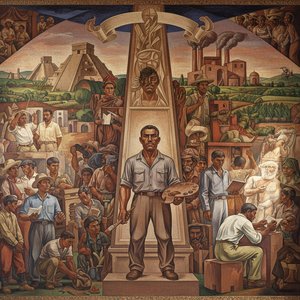
Diego Rivera: A Revolutionary Vision of Mexican Identity Through Muralism
Explore the revolutionary murals of Diego Rivera and his profound impact on Mexican art & identity. Discover his techniques, iconic works like 'Man at the Crossroads,' and lasting legacy with OriginalUniqueArt.
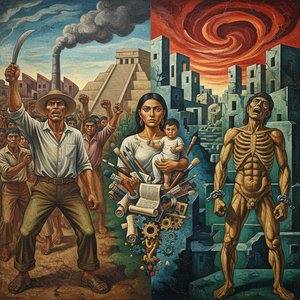
Revolution on Canvas: Exploring the Socio-Political Power & Artistic Legacy of Mexican Muralism
Explore the powerful world of Mexican muralism! Discover Diego Rivera, Frida Kahlo & Orozco's revolutionary art, social impact & lasting legacy. Expert insights & high-quality reproductions at OriginalUniqueArt.
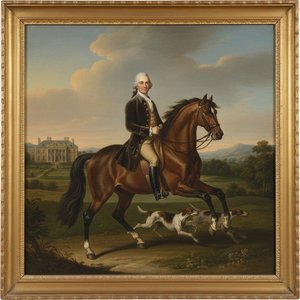
John Francis Sartorius II: Equestrian Elegance & the Rise of British Portraiture
Explore the captivating world of Francis Sartorius II (1734-1804), a leading British painter renowned for his exquisite equestrian portraits and hunting scenes. Discover his life, techniques & enduring legacy.
Timeless Valentine's Day Gifts: A Procurement Guide to Premium Hand-Painted Art Reproductions
Discover premium hand-painted art reproductions for unforgettable Valentine's Day gifts. From custom oil portraits to museum-quality classics, we provide professional procurement solutions with global shipping, bulk ordering, and guaranteed excellence for collectors and professionals.

ロイ・リキテンスタイン傑作25選:ポップアートの革新と現代美術への影響 | OriginalUniqueArt
ロイ・リキテンスタインの傑作25選。ポップアートを代表する画家、その技法と時代背景を紐解きます。ベンデイ・ドット、コミック表現…OriginalUniqueArtで高品質な複製画やインテリアアートを見つけ、空間にモダンアートの息吹を吹き込みましょう。全作品はこちらから: OriginalUniqueArt.com



