

 設置イメージを確認
 送る
送る シェア
シェア
 詳細情報
詳細情報 ガイドを表示

 画像をダウンロード
 似ている作品
 X線調査
X線調査 スライドショー
 統計情報
統計情報Sts Peter and Paul


 続きを読む
続きを読む
手描き油彩複製画
当社のアーティストが、お客様のご希望のサイズと額縁に合わせて、キャンバスに手描きで制作する油彩画です。 ( プリント版に切り替え デジタル画像販売へ切り替え)




P118B ¥10

P118H ¥10

P118W ¥10

P438Z ¥10

P508JH ¥12

P508YH ¥12

P805H ¥10

P805Z ¥10

P919BZ ¥10

P919G ¥10

P919XJ ¥10

P959ZH ¥10

P968JZ ¥12

W106C ¥8

W218G ¥10

W218JH ¥8

W218Y ¥10

W307PJ ¥10

W316G ¥10

W316PJ ¥8

W316Y ¥10

W398PJ ¥8

W4111J ¥10

W500HY ¥15

W500JH ¥15

W692G ¥12

W849H ¥8

W940BG ¥15

W953PJ ¥8




作品のオリジナル比率に合わせた、当店の規定サイズからお選びください。

フレームや壁のスペースに合わせて、ご希望の幅と高さを入力してください。本作品は手描きのため、異なる比率のサイズをご希望の場合、絵画の周囲を少し広げて描くか、あるいは端を少しカットして調整することが可能です。お客様のご要望に合わせます。制作を開始する前に、仕上がりを確認するためのデジタルモックアップをお送りいたします。このページに表示されている画像は完成品の実物ではなく、あくまでモックアップによるイメージです。
ご注文後、OriginalUniqueArt.com チームより詳細な指示をお送りするとともに、仕上がりイメージ(モックアップ)をご提供いたします。


 ガラスオプションは、110cm未満のサイズでのみご利用いただけます。

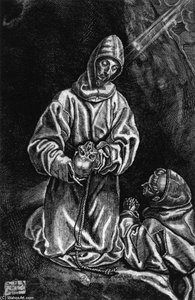
Sts Peter and Paul
再現技法
複製画サイズ一覧
-


合計金額
¥ 47184
アーティストについて
The Baroque Echo of El Greco’s Vision
Diego de Astor stands as a profound bridge between the ethereal mysticism of the late Renaissance and the dramatic intensity of the Spanish Baroque. Born in Mechelen, Netherlands, around 1587, Astor’s artistic identity was forged in the crucible of one of history's most transformative eras. While his origins trace back to the Low Countries, his soul became inextricably linked to the Spanish Golden Age through his formative years in Toledo. It was here that he entered the studio of the legendary Domenico Theotocopuli, known universally as El Greco. This apprenticeship was more than mere technical training; it was an immersion into a visual language of elongated forms, spiritual tension, and a divine use of light that would become the heartbeat of Astor’s entire body of work.
As a master engraver, Astor possessed the rare ability to translate the fluid, painterly strokes of El Greco onto the rigid medium of copper plates. His technique was characterized by a meticulous attention to detail and a command over line that allowed him to capture the very essence of his mentor's vision. He did not merely replicate; he interpreted. Through the delicate interplay of shadow and light—the chiaroscuro that defines the Baroque period—Astor breathed new life into religious iconography, making the celestial palpable to a wider audience. His engravings served as vital conduits for the dissemination of sacred imagery, allowing the profound emotional depth of Toledo's masterpieces to travel far beyond the walls of Spanish cathedrals.
Technical Mastery and the Art of the Line
The brilliance of Astor’s work lies in his ability to navigate the complexities of religious narrative through the precision of engraving. His development as an artist saw him move from a student following instructions to a sophisticated creator capable of handling diverse subject matter, ranging from the deeply devotional to the highly functional. One of his most remarkable technical achievements was his contribution to the field of communication; he produced a series of plates for Juan Pablo Bonet’s groundbreaking manual on the alphabet for deaf education, demonstrating a versatility that extended far beyond the pulpit.
His professional prestige was further cemented by significant official appointments and high-profile commissions. The breadth of his influence can be seen in several key areas of his career:
- Official Engraver to the Mint: His role at the Mint of Segovia required an unparalleled level of precision, as he was tasked with the delicate work of engraving royal seals and official currency.
- Patronage of the Elite: Astor’s talent earned him the respect of powerful figures such as Cardinal Alessandro Farnese, placing his work within the highest circles of the papal court.
- Historical Documentation: His plates contributed to significant historical texts, such as Colmenares' Historia de Segovia, ensuring his artistic legacy was woven into the very fabric of Spanish history.
A Legacy of Devotion and Detail
To look upon an Astor engraving, such as the celebrated 1608 depiction of Sts Peter and Paul, is to witness a masterclass in Baroque composition. In these works, the viewer is met with dynamic figures that seem to emerge from the darkness, draped in heavy, textured fabrics that Astor rendered with uncanny realism. The emotional weight of the subjects—the gravity of their faith and the intensity of their martyrdom—is conveyed through subtle facial expressions and a masterful use of contrast. This ability to evoke empathy and awe is what distinguishes Astor as more than just a technician; he was a storyteller of the divine.
Ultimately, the historical significance of Diego de Astor lies in his role as a preserver and propagator of the Spanish Baroque spirit. While the original paintings of El Greco remained anchored in specific sacred spaces, Astor’s prints traveled across borders, influencing the aesthetic sensibilities of Europe. He captured the fleeting light of a transformative era and etched it into permanence, leaving behind a legacy that continues to resonate with anyone moved by the intersection of technical perfection and spiritual fervor.
Diego De Astor
1587 - 1650 , Netherlands
アーティスト情報
- Full Name: Diego de Astor
- Nationality: Dutch
- Date Of Birth: 1587
- Date Of Death: 1650
- Place Of Birth: Mechelen, Netherlands
- Notable Artworks:
- Sts Peter and Paul
- St Francis and Brother Leo Meditating on Death
- Artistic Movement Or Style: Baroque
- Artists Who Influenced This Artist: ['El Greco']
- Artists Or Movements Influenced By This Artist: ['Nuevo tango']
関連記事
パウル・クレー傑作25選:色彩と象徴に満ちた芸術の世界 | OriginalUniqueArt
パウル・クレーの傑作25選🎨 色彩と象徴に満ちた抽象絵画の世界を旅。ドイツ表現主義からバウハウスまで、クレーの革新的な技法と感動的な作品群をOriginalUniqueArtで。高品質な美術品複製やインテリアアートも豊富です。オンラインストアで全コレクションをご覧ください。

About Us
Discover our story! We bring world-class art into your life through expert curation, personalized creations, and free previews. Trusted by individuals and businesses since 2000.

ゴヤ傑作25選:スペインの魂を揺さぶる、深遠な芸術の世界 | OriginalUniqueArt
ゴヤ傑作25選:ロマン主義を代表するスペインの巨匠、フランシスコ・デ・ゴヤの世界へ。黒衣の女からマハまで、魂を揺さぶる絵画の物語と技法を紐解きます。OriginalUniqueArtで高品質なアートレプリカを見つけ、インテリアに深みと風格を。今すぐコレクションをご覧ください。

Peter De Wint: A Master of British Landscape & Quiet Pastoral Beauty
Discover the serene landscapes of Peter De Wint (1784-1849), a master of British Romanticism. Explore his life, technique & investment potential with expert insights from OriginalUniqueArt.

ポール・セザンヌ:至高の25選 - 傑作と革新の軌跡 | OriginalUniqueArt
ポール・セザンヌの至高の25選。ポスト印象派を代表する画家、セザンヌの傑作と革新的な技法を紐解きます。OriginalUniqueArtで高品質な複製画やインテリアアートを見つけ、芸術の世界をご自宅に。今すぐコレクションをご覧ください。