設置イメージを表示
 シェアする
シェアする シェアする
シェアする
 詳細を見る
詳細を見る ガイドを表示

 ダウンロード
 似ている作品
 X線調査
X線調査 スライドショーを表示
 Q&A
Q&A 統計情報
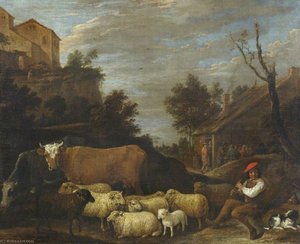
統計情報The Prodigal Son


 詳細を表示
詳細を表示
ジークレー/アートプリント
スピーディーな制作と多彩な仕上げオプションが魅力の、ミュージアムクオリティなジークレー・キャンバスプリント。 ( 手描き複製画を注文する デジタル画像販売へ切り替え)




P118B ¥10

P118H ¥10

P118W ¥10

P438Z ¥10

P508JH ¥12

P508YH ¥12

P805H ¥10

P805Z ¥10

P919BZ ¥10

P919G ¥10

P919XJ ¥10

P959ZH ¥10

P968JZ ¥12

W106C ¥8

W218G ¥10

W218JH ¥8

W218Y ¥10

W307PJ ¥10

W316G ¥10

W316PJ ¥8

W316Y ¥10

W398PJ ¥8

W4111J ¥10

W500HY ¥15

W500JH ¥15

W692G ¥12

W849H ¥8

W940BG ¥15

W953PJ ¥8




作品のオリジナル比率に合わせた、当店の規定サイズからお選びください。

額縁や壁のスペースに合わせて、ご希望の幅と高さを入力してください。プリントはカットすることは可能ですが、元の画像より大きくすることはできないため、異なる比率のサイズを選択された場合は、画像の一部が欠けることになります。印刷を開始する前に、内容を確認していただくためのデジタルモックアップをお送りいたします。このページに表示されている画像は、実際のカット後の状態を示すものではありません。実際の仕上がりはモックアップにてご確認ください。


 ガラスオプションは、110cm未満のサイズでのみご利用いただけます。

The Prodigal Son
ジークレー/アートプリント
複製画サイズ一覧
-


合計金額
¥ 12810
A Window into the Soul: David Teniers the Younger’s “The Feast of the Prodigal Son”
David Teniers the Younger's "The Feast of the Prodigal Son," painted circa 1644-1650, isn’t merely a depiction of a biblical parable; it’s a vibrant tableau brimming with human drama and profound spiritual reflection. This remarkable work, now housed within the Louvre Museum in Paris, offers a captivating glimpse into the bustling world of 17th-century Antwerp – a city renowned for its artistic innovation and mercantile prosperity. More than just a historical record, Teniers masterfully captures a moment of intense emotion, inviting viewers to contemplate themes of repentance, forgiveness, and familial love within a richly detailed and meticulously rendered scene.

A Dutch Golden Age Masterpiece: Style and Technique
Teniers’ style firmly anchors this painting within the flourishing tradition of Dutch Golden Age art. He expertly blends elements of realism with a theatrical flair, characteristic of the period. The composition is deliberately crowded, mirroring the lively atmosphere of a tavern – a common setting for depicting moral tales in Flemish art. Notice the careful attention to detail: the folds of the richly embroidered robes, the textures of the wooden furniture, and the subtle variations in skin tones all contribute to an astonishingly lifelike portrayal. The artist’s technique is characterized by smooth brushstrokes and masterful use of light and shadow, creating a sense of depth and volume that draws the viewer into the scene. The painting employs linear perspective, guiding our eye through the room and towards the central figures.
Symbolism and Narrative Depth
At its heart, “The Feast of the Prodigal Son” is an illustration of Luke 15:11-32 – a powerful parable about forgiveness and redemption. The scene depicts the younger son’s return home after squandering his inheritance on reckless living. He's now sharing a meager meal with two prostitutes, symbols of societal outcasts, highlighting his fallen state. The looming bed in the background is a potent symbol of excess and indulgence, a stark reminder of the son’s past behavior. The older brother, observing from the doorway, embodies righteous judgment and resentment – emotions that resonate deeply within the narrative. The lavish feast itself represents the father's boundless grace and willingness to welcome his wayward child back into the fold.
Historical Context: Antwerp in the 17th Century
To fully appreciate Teniers’ work, it’s crucial to understand the context of 17th-century Antwerp. The city was a major center for trade and art production, attracting artists from across Europe. Teniers benefited greatly from the patronage of wealthy merchants and nobles, as well as the influence of his father, David Teniers the Elder, a renowned painter of altarpieces and portraits. His marriage to Anna Brueghel, daughter of the celebrated Jan Bruegel the Elder, further solidified his position within the artistic community. The painting reflects the era’s fascination with genre scenes – everyday life depicted with remarkable detail and often imbued with moral lessons. It also demonstrates a shift towards more secular subjects, moving beyond purely religious commissions.
Emotional Resonance: A Timeless Tale
“The Feast of the Prodigal Son” transcends its biblical subject matter to offer a universal meditation on human nature – our capacity for both folly and redemption. The painting’s emotional intensity is palpable, capturing the joy of reunion, the sting of resentment, and the overwhelming grace of forgiveness. It's a scene that continues to resonate with viewers centuries later, reminding us of the enduring power of family bonds and the transformative potential of repentance. Whether viewed as a historical artifact or a profound work of art, Teniers’ masterpiece remains a testament to the enduring appeal of this timeless parable.
Q&A
ダヴィド・テニエール(子)作「The Prodigal Son」の手描き複製画はどこで購入できますか?
ダヴィド・テニエール(子)作「The Prodigal Son」の手描き複製画は、こちらの手描き油彩複製画ページから直接ご注文いただけます:リネンキャンバスに手描きされた油彩複製画(受注制作)
学生向けのダヴィド・テニエール(子)作「The Prodigal Son」に関するファクトシートはありますか?
ダヴィド・テニエール(子)作「The Prodigal Son」には、解説資料ページをご用意しています。これは、学生や教室での学習用に設計された、印刷可能な作品解説シートです。
「The Prodigal Son」の色使いは、鮮やかでしょうか、それとも淡い感じでしょうか?
ダヴィド・テニエール(子)作「The Prodigal Son」の色調は、Monochromaticな強さを持っています。
作家プロフィール
生い立ちと家族の背景
- 誕生:1610年12月15日、当時のスペイン領ネーデルラントであるアントウェルペンにて洗礼を受ける。
- ダヴィド・テニエール(子)は、フランドルの芸術的伝統に深く根ざした家系に生まれました。父であるダヴィド・テニエール(父)も画家であり、弟のユリアーン、テオドール、アブラハムもまた、皆画家としての道を歩みました。
- 修行:1626年より父の下で学び、絵画の技法や様式における基礎的な訓練を積みました。 十分な財政基盤はありませんでした。父はしばしば負債を抱え、時には投獄されることもあったため、若き日のダヴィドは家族を支えるために、巨匠たちの名画の模写を手がけました。
- アントウェルペン・ギルド:1632年から1633年にかけてアントウェルペンの聖ルカ・ギルドのマスターとなり、1644年から1645年にはその責任者であるデーンを務めました。
芸術的発展と影響
- 初期の影響: 初期作品は父による小規模なキャビネット・ペインティングの流れを汲み、さらには父を通じてアダム・エルスハイマーの模範を受けていました。1630年代の終わりまで、彼の作品は主題、技法、色彩、構図においてアドリアーン・ブラウェールの作風に非常に近いものでした。
- ルーベンスのサークル:1637年、彼はヤン・ブーヘルト(父)の娘であるアンナ・ブリューヘルトと結婚します。彼女の父の死後、後見人となっていたピーテル・パウル・ルーベンスが結婚式の証人として立ち会ったことで、テニエールはアントウェルペンを代表する画家たちの社交界へと引き入れられました。
- 風俗画への特化: テニエールは次第に風俗画、すなわち日常生活を描くジャンルへと専門性を深めていきました。そして、農民の祭礼(ケルメス)、居酒屋の内部、村の風景といった、生命力あふれる情景を描く画家としてその名を馳せることになります。
主要作品と芸術様式
- 風俗画:彼の最も称賛される作品は、その風俗画にあります。それらはしばしば、歓喜、踊り、飲酒、そして遊びに満ちた、活気ある農民生活の情景を描き出しています。
- ケルメス(祭礼)の絵画: 『フランドルのケルメス』に代表される村の祝宴は、鮮やかな色彩、緻密な構図、そして人間行動への鋭い観察眼といった彼の様式を象徴しています。
- 居酒屋の内部:彼の描く居酒屋の情景は、日常のありのままの姿と、その場に漂う賑やかな空気感を写実的に捉えている点で特に際立っています。
- 村を超えて: 彼は風景画や衛兵所の情景、錬金術師や医師の仕事風景、さらには猿が人間の営みを演じるユーモラスなシンネリー(猿真似)なども描きました。
- ギャラリー・ペインティング:大公の絵画ギャラリーを描いた作品では、壁一面に識別可能な傑作が並ぶ様子が描かれており、これによって彼はこの独特なフランドル様式の先駆者となりました。
宮廷画家およびキュレーターとしての歩み
- レオポルト・ヴィルヘルム大公への仕え:1650年頃、テニエールはブリュッセルへと移り、スペイン領ネーデルラント総督であるレオポルト・ヴィルヘルム大公の宮廷画家、および美術コレクションの守護者としての任務に就きました。
- コレクションの管理: 彼は大公が傑作を収集する手助けをしました。そこには、散逸したイギリス王室のコレクションやハミルトン・コレクションの絵画も含まれていました。このコレクションは最終的に約1,300点にまで拡大し、後のウィーン美術史美術館の基礎となりました。
- テアトルム・ピクトリウム:1660年にブリュッセルで出版されたこの書物は、大公のコレクションから246点のイタリア絵画を版画として再現したもので、旧来の巨匠コレクションにおける世界初の図解付きカタログとなりました。
- 弟子たち: ギリス・ファン・ティルボルフは、ブリュッセルでテニエールの下で修行し、後に彼と同じく宮廷コレクションの守護者という職に就ったと考えられています。
- 晩年:アンナの死後、彼は1656年にイザベラ・デ・フレンと再婚しました。スペイン国王に対し貴族の称号を求めて嘆願しましたが、絵画の販売を止めなければならないと言われたことで、その願いを断念しました。
- アントウェルペン・アカデミー: テニエールは、ルーベンスやヴァン・ダイックの死後、フランドルの絵画界を再興させることを目的として、アントウェルペン美術アカデズムの設立における原動力となりました。1663年にはその王立憲章を獲得しています。
歴史的意義と遺産
- 風俗画の巨匠: ダヴィド・テニエール(子)は、17世紀の生活の本質を驚くべき技術で捉えた、当時における最高峰のフランドル風俗画家と見なされています。
- 後世の芸術家への影響:彼の作品は、その後の北欧の画家たちに影響を与えただけでなく、アントワーヌ・ヴァトーのようなフランス・ロココ様式の芸術家たちにも感銘を与えました。
- 多作な活動:テニエールは極めて多作な芸術家であり、その魅力、細部へのこだわり、そして歴史的な洞察力に満ちた膨大な作品群は、今なお多くの人々を魅了し続けています。
- 逝去:彼は1690年4月25日、ブリュッセルにてその生涯を閉じました。フランドルにおける最も重要なバロック画家の一人として、不朽の遺産を後世に残しました。
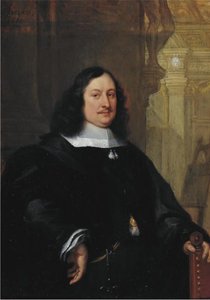
ダヴィド・テニエール(子)
1610 - 1690 , ベルギー
プロフィール概要
- Date Of Birth: 1610年
- Date Of Death: 1690年
- Place Of Birth: ベルギー、アントウェルペン
- Place Of Death: ベルギー、ブリュッセル
- Birth Date: 1610年
- Birth Place: ベルギー、アントウェルペン
- Death Date: 1690年
- Influenced By: アドリアーン・ブローラー, アダム・エルスハイマー, ピーター・パウル・ルーベンス
- Movement: バロック
- Name: ダヴィド・テニエール(子)
- Nationality: フランドル
- Notable Works:
- 二人の酔っ払い
- 村の風景
- 台所の風景
- フランドルのキルメス
関連記事
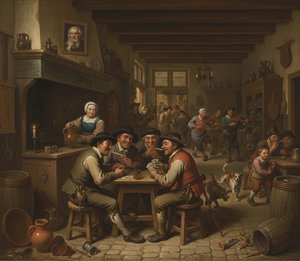
David Teniers II: Master of Flemish Genre & Social Commentary
Explore the captivating world of David Teniers II, a leading Flemish Baroque painter renowned for his lively genre scenes & insightful social commentary. Discover his masterpieces and legacy with OriginalUniqueArt.

The Dramatic Flourish: Exploring the Baroque Movement's Enduring Legacy in Art History
Explore the dramatic world of Baroque art! Discover iconic artists like Caravaggio & Rubens, defining techniques, and its lasting impact on art history. Expert insights for collectors & enthusiasts at OriginalUniqueArt.

Mastering Drama and Light: A Definitive Guide to the Flemish Baroque Art Movement
Explore the dramatic brilliance of the Flemish Baroque movement. Discover how masters like Peter Paul Rubens utilized chiaroscuro and dynamic composition to redefine art history through light, shadow, and unparalleled emotion.

バロックのドラマ:現代のインテリアに壮麗さと情感を取り込む
バロック様式の歴史、絵画、家具の魅力をご紹介。OriginalUniqueArtでは、高品質な油絵複製やカスタムポートレートをご提供し、現代のインテリアに壮麗さと情感を取り入れます。アートコンサルテーションも承ります。
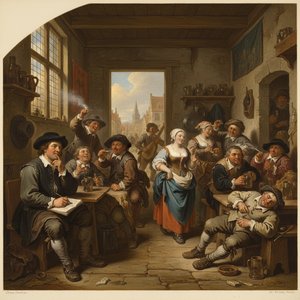
David Teniers the Younger: Genre Painting & Social Commentary in Baroque Flanders
Explore the captivating world of David Teniers the Younger, a leading Flemish Baroque painter. Discover his genre scenes, social commentary, and lasting influence on 17th-century art. Learn about his life, techniques & legacy.