

 設置イメージを確認
 送る
送る シェア
シェア
 詳細情報
詳細情報 ガイドを表示

 画像をダウンロード
 似ている作品
 X線調査
X線調査 スライドショー
 統計情報
統計情報Just in
 Acrylic On Canvas
- WallArt
- Contemporary Abstract Expressionism
 2017
2017- Modern
 122.0 x 122.0 cm
 The Broad
 続きを読む
続きを読む
このページに掲載されている作品は著作権法によって保護されており、当社の許可なく同一の複製物を制作または販売することは法律で禁じられています。この保護は、以下のような国際条約に基づき執行されます。 ベルヌ条約 および、以下の条項に定められたものを含む各国の法律により、 米国著作権法 第17編。
敬意を払った法的な代替手段として、私たちはオリジナルにインスピレーションを与えられた、カスタムの手描きアートワークを提供しています。私たちの熟練したプロのアーティストは、元の作品が持つスタイル、情緒、そして芸術的なエッセンスを注意深く研究し、独自の創作物でありながら、同じ感性を呼び起こすような、新しくユニークな作品を作り上げます。
この手法は、著作権で保護された作品の複製や複写を伴わないため、著作権法に完全に準拠しています。これは単なる模倣ではなく、創造的な再解釈です。元の作品からインスピレーションを受けつつも、それとは異なる、全く新しい絵画を生み出すものです。
手描き油彩複製画
当社のアーティストが、お客様のご希望のサイズと額縁に合わせて、キャンバスに手描きで制作する油彩画です。 ( プリント版に切り替え デジタル画像販売へ切り替え)




P118B ¥10

P118H ¥10

P118W ¥10

P438Z ¥10

P508JH ¥12

P508YH ¥12

P805H ¥10

P805Z ¥10

P919BZ ¥10

P919G ¥10

P919XJ ¥10

P959ZH ¥10

P968JZ ¥12

W106C ¥8

W218G ¥10

W218JH ¥8

W218Y ¥10

W307PJ ¥10

W316G ¥10

W316PJ ¥8

W316Y ¥10

W398PJ ¥8

W4111J ¥10

W500HY ¥15

W500JH ¥15

W692G ¥12

W849H ¥8

W940BG ¥15

W953PJ ¥8




作品のオリジナル比率に合わせた、当店の規定サイズからお選びください。

フレームや壁のスペースに合わせて、ご希望の幅と高さを入力してください。本作品は手描きのため、異なる比率のサイズをご希望の場合、絵画の周囲を少し広げて描くか、あるいは端を少しカットして調整することが可能です。お客様のご要望に合わせます。制作を開始する前に、仕上がりを確認するためのデジタルモックアップをお送りいたします。このページに表示されている画像は完成品の実物ではなく、あくまでモックアップによるイメージです。
ご注文後、OriginalUniqueArt.com チームより詳細な指示をお送りするとともに、仕上がりイメージ(モックアップ)をご提供いたします。


 ガラスオプションは、110cm未満のサイズでのみご利用いただけます。

Just in
再現技法
複製画サイズ一覧
-


合計金額
¥ 47260
David Michael Hinnebusch’s “Just in”: A Portrait of Urban Introspection
David Michael Hinnebusch's "Just in," created in 2017, is more than simply a depiction of a man with glasses; it’s an arresting meditation on the complexities of modern existence. Measuring 122 x 122 cm, this painting immediately draws the viewer into its scene – a solitary figure, seemingly lost in thought, positioned within a subtly rendered urban backdrop. The subject, clad in a vibrant red shirt, occupies the central focus, his open mouth suggesting either fervent speech or a poignant song, inviting us to contemplate the unspoken narratives that shape our lives.
- Subject Matter: The painting’s core is undeniably human – an individual grappling with internal thoughts and emotions within a broader societal context.
- Composition: Hinnebusch masterfully employs composition, using the central figure to anchor the eye while the surrounding figures and architectural elements contribute to a sense of depth and atmosphere.
- Color Palette: The dominant red shirt provides a striking focal point against the muted tones of the urban environment, creating a visual tension that reflects the subject’s internal state.
Exploring the Style and Technique
"Just in" exemplifies Hinnebusch's approach to figurative painting, blending elements of realism with expressive brushwork. The artist utilizes a technique reminiscent of Neo-Expressionism, characterized by bold strokes and a deliberate rejection of purely representational accuracy. This isn’t about photographic precision; it’s about conveying feeling and atmosphere through the manipulation of color and texture. Notice the loose application of paint, particularly in the background, which creates a sense of movement and uncertainty – mirroring perhaps the subject's own disorientation or contemplation.
The artist’s use of impasto—thickly applied paint—adds to the painting’s tactile quality, inviting the viewer to engage with the surface on a deeper level. This technique further emphasizes the emotional intensity of the scene and contributes to its overall dynamism. The guitar present in the composition adds another layer of complexity, hinting at themes of creativity, expression, and perhaps even melancholy.
Historical Context and Influences
Born in Pittsburgh in 1968, David Michael Hinnebusch’s artistic practice is rooted in a lineage of American artists who challenged traditional notions of representation. While his work doesn't explicitly reference specific movements like Surrealism or Abstract Expressionism – as seen in the biography of Robert Rauschenberg – there are echoes of these influences in his approach to combining recognizable figures with abstract elements and exploring themes of identity and alienation. The painting’s urban setting speaks to a broader trend in mid-20th century art, reflecting the anxieties and uncertainties of a rapidly changing world.
Symbolism and Emotional Impact
"Just in" resonates with powerful emotional currents. The solitary figure's posture suggests vulnerability and introspection, prompting viewers to consider their own experiences of isolation or contemplation. The open mouth, whether representing speech or song, symbolizes the human desire for connection and expression. Ultimately, Hinnebusch’s painting is a poignant reminder of the universal themes of identity, emotion, and the search for meaning in an increasingly complex world. It's a piece that invites quiet reflection and offers a glimpse into the soul of a single individual within the vastness of urban life.
よくあるご質問
デビッド・マイケル・ヒネブッシュ作「Just in」 の推奨プリントサイズを教えてください。
「Just in」は、Largeのプリントサイズでの印刷をおすすめします。他のサイズについても、同じ比率でご利用いただけます。
デビッド・マイケル・ヒネブッシュ作「Just in」には何が描かれており、どのような情緒が漂っていますか?
「Just in」にはman figure, red shirt, urban scene, guitar player, speech bubble, glasses wearer, american artが描かれており、その情緒はCalmと表現されています。
「Just in」において、コントラストと調和はどのように組み合わさっているのでしょうか?
デビッド・マイケル・ヒネブッシュ作「Just in」の色彩構成は、StatementなコントラストとStrong Color Unityな調和を併せ持っています。
アーティストについて
自伝的なキャンバス:移動と記憶の生涯
デビッド・マイケル・ヒネブッシュの芸術的な旅路は、深い喪失感と、グローバルな風景の中でのアイデンティティの探求によって定義されています。ペンシルベニア州ピッツバーグに生まれた彼の幼少期は、大陸を越えて移動する遊牧民のような生活によって形作られました。アメリカからタンザニア、そしてケニアへと移り住み、後に再びアメリカへと戻る日々。アフリカにおける父の言語学研究という学術的な厳格さの中で過ごしたこの子供時代は、彼の中に世界への好奇心と探究心を植え付けました。ナイロビのような、しばしば「部外者」として過ごす環境での成長は、後に彼の創作活動の鼓動となる、深い内省的な感覚を育みました。幼い頃に自らの冒険を書き、挿絵を描いた物語への初期の傾向は、視覚メディアを通じて個人的かつ普遍的な経験を掘り起こすという、その後のキャリアの基礎を築いたのです。
大人へと移行するにつれ、ロサンゼルスの活気に満ち、時に混沌としたエネルギーが、彼の芸術的進化における主要な試練の場となりました。ここで彼の作品は、現代の存在が持つ複雑で断片的な性質を反映した、独自の視覚言語へと結実し始めました。彼のキャンバスは単なる描写に留まりません。それは西海岸のカウンターカルチャーの潮流の中で生きた人生の蒸留であり、個人の歴史と都市生活の広範な大気の質感とを融合させたものなのです。
スタイルの衝突:新表現主義とパンクの精神
ヒネブッシュの美学は、新表現主義と、パンクロックの生々しく反抗的な精神が力強く衝突したものです。彼の作品は、洗練された磨き上げられた美しさを拒絶し、彼が身を置いていたパンク・シーンのDIY精神を反映した、切実で直感的な感情性を追求しています。この影響は、ダイナミックな筆致、大胆なカラーパレット、そして意図的な不完全さの受容として現れます。ヒネブッシュの絵画を鑑賞することは、感情の噴出を目撃することに他なりません。厚いインパスト(厚塗り)の質感と、観る者に積極的な関与を迫るジェスチュラルなラインを通じて、動きのエネルギーが捉えられているのです。
彼の技術的なアプローチには、しばしば絵具とミクストメディアの力強いレイヤリングが含まれており、奥行きと物理的な存在感を生み出しています。この手法によって、彼は孤立、欲望、そして衰退といったテーマを、剥き出しの即時性をもって探求することを可能にしています。断片化された街並みを描くときも、抽象的なポートレートを描くときも、彼の作品は具象と抽象の間で一貫した緊張感を保っています。その様式的なレパートリーにおける重要な要素には、以下のようなものがあります。
- 鮮やかなカラーパレット:大胆な色使いによって強烈な感情的反応を呼び起こし、ロサンゼルスの生活が持つ動的なエネルギーを捉えること。
- 質感の奥行き:重厚なインパストとミクストメディアを用いることで、キャンバス上に触覚的で三次元的な体験を作り出すこと。
- 物語的な象徴性:謎めいたシンボルや「目」、そして層を成すイメージを統合し、観る者を潜在的な心理的風景の解読へと誘うこと。
哲学的な共鳴と現代における意義
色彩や質感という表面的なレベルを超えて、ヒネブッシュの作品は深い哲学的な探求に根ざしています。マーシャル・マクルーハンのような思想家から影響を受け、彼の芸術はメディア、知覚、そして人間存在の交差点を探索します。彼はキャンバスを知的発掘の場として捉えており、そこでは自己と外部世界の境界が曖昧になります。彼の絵画はしばしば自伝的なものと普遍的なものとの架け橋となり、旅や変遷の個人的な記憶を、私たちが断片化された現実をどのように航海していくかという、より広範な瞑想へと翻訳していくのです。
現代のアートシーンにおいて、ヒネブッシュは新表現主義における重要な旗手として君臨しています。ストリートアートの影響による荒々しさと、洗練された学術的な深みを融合させた独自の視点をもたらしているからです。都市の孤立と文化の鮮烈な鼓動との間の緊張感という、ある時代の本質を捉える彼の能力は、その作品に深い感情的な真実を宿らせています。物語の奥行きと感情的な共鳴を探求することを通じて、彼は観る者に対し、イメージの表面の下に潜む複雑な内なる風景を見出すよう、挑み続けているのです。

デビッド・マイケル・ヒネブッシュ
1968 - , アメリカ合衆国
アーティスト情報
- Artistic Movement Or Style: 新表現主義、抽象表現主義
- Artists Who Influenced This Artist: ['マーシャル・マクルーハン']
- Date Of Birth: 1968年
- Full Name: デビッド・マイケル・ヒネブッシュ
- Nationality: アメリカ合衆国
- Notable Artworks:
- Ben Seven
- Being Famous is like Ike
- Sea Snore
- Murmuring Ban
- Just in
- Place Of Birth: アメリカ合衆国、ピッツバーグ
関連記事

Neo-Expressionism Explained: A Professional Guide to Integrating Raw Power and Emotional Intensity into Modern Interior Design
Master the integration of Neo-Expressionism into professional interiors. Our expert guide explores the raw power of artists like Basquiat and Baselitz, offering procurement professionals strategic insights for high-impact hospitality and corporate art installations.
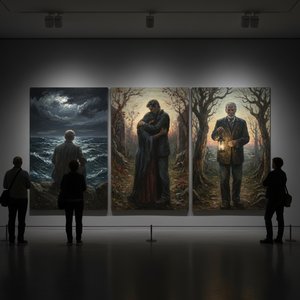
David Michael Hinnebusch: Exploring Narrative Depth & Emotional Resonance in Contemporary Figurative Art
Explore the compelling world of David Michael Hinnebusch's contemporary figurative art. Discover his neo-expressionist paintings, influenced by LA life & philosophical thought – a valuable addition for discerning collectors.
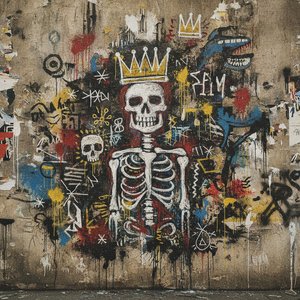
Basquiat and Raw Pop: The High-Energy Rebellion of Neo-Expressionism and the Legacy of Urban Street Art
Explore the raw energy of Jean-Michel Basquiat and the Neo-Expressionist movement. Discover how urban rebellion and SAMO© transformed 1980s New York art history through deep academic insight and visual analysis.
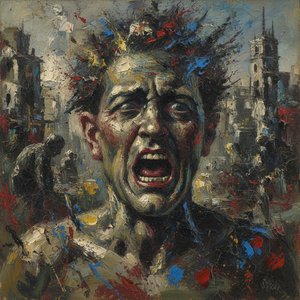
Neo-Expressionism: The Raw Power and Emotional Return of Modern Art
Explore the raw emotion and visceral power of Neo-Expressionism. From Basquiat's urban energy to the rejection of Minimalism, discover the history behind this transformative movement through our expert art guides and museum-quality reproductions.

Neo-Classicism's Greatest Hits: 10 Masterpieces for Your Home |
Journey through Neo-Classicism's finest! Explore 10 iconic masterpieces by David, Ingres & Canova. Discover art history, techniques & timeless beauty – perfect for inspiring your home decor. Find museum-quality reproductions at