

 設置イメージを確認
 送る
送る シェア
シェア
 詳細情報
詳細情報 ガイドを表示

 画像をダウンロード
 似ている作品
 X線調査
X線調査 スライドショー
 統計情報
統計情報Rainy night on bridlingtom promenade

 続きを読む
続きを読む
手描き油彩複製画
当社のアーティストが、お客様のご希望のサイズと額縁に合わせて、キャンバスに手描きで制作する油彩画です。 ( プリント版に切り替え デジタル画像販売へ切り替え)




P118B $10

P118H $10

P118W $10

P438Z $10

P508JH $12

P508YH $12

P805H $10

P805Z $10

P919BZ $10

P919G $10

P919XJ $10

P959ZH $10

P968JZ $12

W106C $8

W218G $10

W218JH $8

W218Y $10

W307PJ $10

W316G $10

W316PJ $8

W316Y $10

W398PJ $8

W4111J $10

W500HY $15

W500JH $15

W692G $12

W849H $8

W940BG $15

W953PJ $8




作品のオリジナル比率に合わせた、当店の規定サイズからお選びください。

特定のフレームやスペースに合わせて、ご希望のサイズをご入力いただけます。選択されたサイズが元の画像の比率と異なる場合、アートワークをトリミングするか、手描きで要素を追加して絵画を拡張いたします。デジタルモックアップ を制作し、制作開始前にご確認(承認)をいただきます。
画面上のプレビューは、実際のトリミングや拡張を正確に反映しているものではありません。最終的な構図は、モックアップによってのみ正確にご確認いただけます。
カスタムサイズもご利用いただけますが、元の比率を維持するためには、あらかじめ用意されたリストからサイズを選択することをお勧めいたします。
ご注文後、OriginalUniqueArt.com チームより詳細な指示をお送りするとともに、仕上がりイメージ(モックアップ)をご提供いたします。


 ガラスオプションは、110cm未満のサイズでのみご利用いただけます。

Rainy night on bridlingtom promenade
再現技法
複製画サイズ一覧
-


合計金額
$ 300
David Hockney: Bridlingtom Promenade Revisited
David Hockney’s “Rainy Night on Bridlingtom Promenade” isn't merely a depiction of London; it’s an embodiment of memory, perception, and the artist’s relentless pursuit of capturing fleeting moments in time. Painted in 1967 during Hockney’s formative years in Los Angeles – a period profoundly influenced by Californian light and color – this canvas transcends geographical boundaries to resonate with universal themes of solitude, contemplation, and the melancholic beauty inherent in urban decay. The painting itself is deceptively simple at first glance. A narrow promenade stretches across the composition, bathed in the muted hues of a rainy evening. The dominant palette leans heavily into blues and greens – shades that evoke not just meteorological conditions but also a deeper emotional resonance. These colors aren’t blended smoothly; instead, Hockney employs a technique he termed “joinery,” meticulously layering thin washes of pigment to create an illusion of depth and texture. This method, pioneered by Hockney alongside Frank Auerbach and Lucian Freud, prioritizes visual impact over photorealistic accuracy—a deliberate rejection of prevailing artistic conventions of the era. The promenade’s emptiness is punctuated by three strategically placed lamps – a luminous beacon against the gloom. These aren't rendered with meticulous detail; rather, they are treated as geometric shapes, radiating light and color that illuminate the surrounding area. Hockney’s use of acrylic paint—a relatively new medium at the time—allowed for unprecedented vibrancy and luminosity, pushing the boundaries of what was considered acceptable artistic expression. The lamps serve as a visual anchor, drawing the eye inward and inviting contemplation about the passage of time and the elusive nature of experience. Beyond its formal qualities, “Rainy Night on Bridlingtom Promenade” speaks to Hockney’s broader philosophical concerns. He famously stated that he wanted to paint "the world as it is seen," rejecting idealized representations in favor of capturing the raw immediacy of observation. The painting embodies this ethos—a testament to Hockney's belief that art should strive for truthfulness, even if that truthfulness resides in acknowledging imperfection and decay. It’s a poignant reminder that beauty can be found not only in grand vistas but also in the quiet corners of everyday life. The piece’s enduring appeal lies partly in its ability to evoke nostalgia—a longing for moments past that are forever lost to time. Hockney's masterful manipulation of color and texture transports viewers back to a specific place and moment, prompting reflection on memory and perception. It is a painting that invites us to slow down, observe carefully, and appreciate the subtle nuances of experience—a timeless contribution to British art history and a continuing source of inspiration for artists and collectors alike.Exploring Hockney's Technique: Joinery
David Hockney’s distinctive “joinery” technique represents a radical departure from traditional painting methods. Unlike blending colors seamlessly across surfaces, Hockney applies thin washes of pigment in successive layers—often up to 30—creating an illusion of depth and texture without resorting to glazing or scumbling. This painstaking process involves applying paint with a brush, allowing it to dry partially before adding another layer on top. The resulting surface resembles a jigsaw puzzle, where each fragment contributes to the overall visual effect. This method gained prominence during Hockney’s collaboration with fellow artists Auerbach and Freud in the mid-1960s—a period marked by experimentation and a desire to challenge artistic conventions. Joinery prioritizes visual impact over photographic realism, focusing on capturing the essence of form and color rather than striving for an accurate representation of reality. It's a technique that demands considerable patience and precision but yields extraordinary results—creating surfaces that shimmer with luminosity and conveying a palpable sense of atmosphere. Hockney himself described it as “painting with glue,” emphasizing the importance of layering and building up texture to achieve his artistic vision.Symbolism in Light and Darkness
The interplay between light and darkness within "Rainy Night on Bridlingtom Promenade" is laden with symbolic significance—reflecting Hockney’s broader engagement with philosophical ideas about perception and consciousness. The three lamps illuminate the promenade, representing not merely illumination but also a beacon of hope amidst the gloom—a visual metaphor for resilience and perseverance in the face of adversity. However, the darkness surrounding the lamps underscores the pervasive influence of melancholy and solitude—themes that recur throughout Hockney’s oeuvre. The muted blues and greens of the rainy night evoke feelings of introspection and contemplation, inviting viewers to consider the complexities of human experience. Hockney's deliberate use of color is carefully calibrated to convey emotional resonance—a testament to his belief that art should engage both intellect and emotion simultaneously. The emptiness of the promenade itself symbolizes isolation—a poignant reminder that even in bustling urban environments, individuals can experience profound feelings of loneliness. Yet, this solitude isn’t presented as bleak or despairing; rather, it serves as a catalyst for observation and reflection—encouraging viewers to appreciate the beauty inherent in stillness and simplicity. Hockney's masterful depiction captures the essence of these ideas—transforming a seemingly unremarkable scene into a powerful meditation on human existence.A Legacy of Innovation
“Rainy Night on Bridlingtom Promenade” stands as a cornerstone of David Hockney’s artistic legacy—a testament to his unwavering commitment to innovation and experimentation. By rejecting photographic realism and embracing a technique that prioritizes visual impact over meticulous detail, Hockney redefined British art in the 1960s—establishing himself as one of the most influential figures of his generation. His pioneering use of acrylic paint and his groundbreaking “joinery” method continue to inspire artists today—demonstrating the enduring power of artistic vision and the importance of challenging conventions. Hockney’s work remains a celebration of beauty, observation, and the transformative potential of art—a timeless contribution to British cultural heritage.アーティストについて
光で描かれた生涯:デイヴィッド・ホックニーの世界
1937年7月9日、イングランドの工業地帯として知られるヨークシャーに生まれたデイヴィッド・ホックニーは、単なる画家という枠には収まりません。彼のキャリアは、絵画、素描、版画、舞台美術、そして写真と、多岐にわたる領域を横断する「視覚のポリマス(博識家)」としての歩みでした。その物語は、ブラッドフォードの力強さと決意に満いられた風景から始まります。第二次世界大戦中、父ケネス・ホックニーが良心的兵役拒否を通じて独立した思考を育んだ一方で、この地特有の厳しさは、若きホックニーに鋭い観察眼を授けました。ウェリントン初等学校やブラッドフォード・グラマースクールでの学びは、20世紀から21世紀にかけての英国美術を再定義することになるキャリアの礎となり、その後、ブラッドフォード・アート・カレッジ、そしてロンドンの名高いロイヤル・カレッジ・オブ・アートへと繋がっていきます。この形成期において、ホックニーはポップな感性と、極めて英国的な視点を融合させた、唯一無二の芸術的表現を確立し始めたのです。ポップ・アイコンの台頭と、その先へ
1960年代、ホックニーは勃興するポップアート運動における中心的な人物として、その名を轟かせました。しかし、アメリカの商業文化を全面的に受け入れた同時代の作家たちとは異なり、彼はこのジャンルに独自の英国的感性を持ち込みました。彼の作品は鮮やかな色彩と大胆な線によって溢れ、親しみやすさと、かすかな反逆精神が共存する情景を描き出しました。初期の代表作であるA Bigger Splash(1966)は、その象徴といえるでしょう。一見すると単純なプールの描写は、カリフォルニアのレジャー、虚構性、そして「見る」という行為そのものへの瞑想へと昇華されています。それは単なる再現ではなく、私たちがどのように現実を認識しているかを探求する試みでした。また、American Collectors (Fred and Marcia Weisman)のような二人の肖像画では、外見的な類似性だけでなく、人物の個性や関係性の本質を捉える驚異的な手腕が示されています。さらにホックニーは、同性愛がタブー視されていた時代において、We Two Boys Together Clinging(1961)などの作品を通じて、性的愛という個人的なテーマをオープンかつ繊細に描き出し、社会規範に挑戦しました。こうした困難な主題に正面から向き合う姿勢が、革新的な芸術家としての彼の地位を揺るぎないものにしたのです。実験、革新、そして絵画の救済
ホックニーの芸術的探究心は、決して一つの媒体に留まることはありませんでした。キャリアを通じて、彼は新しいテクノロジーやアプローチに対して絶え間ない実験を繰り返してきました。初期のリトグラフやエッチングへの取り組みから、1980年代のポラロイド写真を用いたコンポジット(合成)に至るまで、彼は常に芸術の境界線を押し広げ続けてきました。彼は「絵画は死んでいないが、自らの慣習から『救い出される』必要がある」と断言し、遠近法の歪みや断片化された視点といった革新的な技法を生み出しました。この絵画を再活性化させたいという情熱は、空間と表現の伝統的な概念に挑んだ複雑なフォトモンタージュ作品Pearblossom Hwy., 11–18th April 1986のような野心的なプロジェクトへと結実しています。また、モーツァルトの魔笛やストラヴィンスキーのとりがとらえられた物語における舞台美術に見られるように、彼の視覚言語は異なる芸術領域へと見事に翻訳されました。近年ではデジタル媒体をも受け入れ、iPadを用いて描かれる見事な風景画は、光、色彩、遠近法に対する彼の飽くなき探究心を示しており、その革新性に限界がないことを証明しています。評価、遺産、そして永続する影響力
デイヴィッド・ホックニーが芸術界に残した貢献は、その輝かしいキャリアを通じて広く認められてきました。2018年には英国文化への多大な影響を称えられ、オーダ・オブ・ザ・コンパニオン・オブ・ honour(CH)を受章しました。それ以前にも、2003年には王立協会フェロー(FRS)に選出され、2000年には日本でも知られる日本グラモント賞(プレミウム・イペリアル)の絵画部門を受賞しています。彼の作品は世界中の主要な美術館に収蔵されており、オンラインプラットフォームを通じて容易に触れることができるため、その芸術は新しい世代へとインスピレーションを与え続けています。ホックニーの影響は視覚芸術の枠を超えています。彼はその機知、知性、そして芸術的探求への揺るぎない献身によって、文化的なアイコンとなりました。彼の作品の本質は、何をどのように描くかという点にあり、認識と表現に対する絶え間ない問いかけは、現代の観衆の心にも深く響き続けています。彼は今なお芸術界の現役の力として、既存の期待に挑戦し続け、あらゆる分野のアーティストたちにインスピレーションを与えています。さらなる探求
- Place Furstenberg, Paris: ホックニーの室内画の魅力的な一例であり、色彩と構図における卓越した技術が示されています。
- Oona Zlamany: リアリズムとポップアートの影響を融合させ、モデルの瞑想的な性質を浮き彫りにした、心に迫る肖像画です。
- Lawn Sprinkled: 幾何学的な形態と遊び心のある色彩によって、郊外の生活を鮮やかに描き出しています。
- 同じ英国のポップアーティスト、ポーリン・ボティについても詳しくご覧ください。
- ホックニーの初期の発展に影響を与えた画家、フランク・リスルの作品を探求してみましょう。
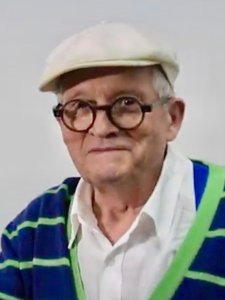
デイヴィッド・ホックニー
1937 - , イギリス
アーティスト情報
- Artistic Movement Or Style: ポップアート
- Artists Or Movements Influenced By This Artist: ['ポリーヌ・ボティ']
- Artists Who Influenced This Artist: ['フランシス・ベーコン']
- Date Of Birth: 1937年7月9日
- Date Of Death: 未定
- Full Name: デイヴィッド・ホックニー
- Nationality: イギリス人
- Notable Artworks (List Of Titles):
- A Bigger Splash
- We Two Boys Together
- Place Of Birth (City And Country): イギリス、ブラッドフォード
関連記事
David Hockney: A Retrospective on Pop Art's Chronicler of Light, Space, and the Everyday
Explore the life & work of David Hockney, Pop Art's master chronicler. Discover his iconic paintings, Californian landscapes, and lasting influence on modern art. Expert analysis for collectors.
Acrylic Paint Guide: Mastering the Versatile Medium of Modern Art through Chemistry and Technique
Master the versatile world of acrylic painting with our expert guide for art students. Explore the chemistry, historical evolution, and advanced techniques—from watercolor-like washes to bold impasto—to elevate your modern artistry and technical skill.
Acrylic on Paper: A Modern Canvas for Contemporary Expression
Explore the versatility of acrylic painting on paper! Discover expert techniques, artist insights & archival practices for creating stunning contemporary art. Learn more at OriginalUniqueArt.
The Art Student’s Definitive Guide to Acrylic Painting: Mastering the World’s Most Versatile Medium
Unlock your creative potential with this expert guide for art students. Master acrylic painting techniques, from fluid washes to textured impasto. Learn about essential brushes, surfaces, and advanced color theory to elevate your fine arts practice with professional precision.
David Bomberg: Reassessing the Pioneering Spirit of Early British Abstraction
Explore the groundbreaking work of David Bomberg, a pivotal figure in British abstraction. Discover his artistic evolution, influences, and lasting legacy through insightful analysis & expert commentary.

