Pop Art
Cactus (デイヴィッド・ホックニー)
デイヴィッド・ホックニー (1937–2026)による作品『Cactus』 Pop Art運動に属しています。 Acrylic On Canvasで制作されています。
- Acrylic On Canvas

 設置イメージを表示

 手描き油彩画
 シェアする
 シェアする
 解説シート


 ダウンロード
 似ている作品
 X線調査
 スライドショーを表示
 Q&A

 統計情報
Cactusの概要
- 作品名
- Cactus
- 作家
- デイヴィッド・ホックニー (1937–2026)
- 生年
- ブラッドフォード, イギリス
- 技法
- Acrylic On Canvas
- 技法
- Pop Art
- 制作年代
- Modern
- 主題
- cactus painting, david hockney art, yellow bowl scene, pop art style, desert flora, table composition
Cactusには何が描かれていますか?
David Hockney’s ‘Cactus’: A Pop Art Still Life Rooted in Observation
David Hockney's “Cactus,” a seemingly simple depiction of a solitary cactus within a vibrant yellow bowl, reveals itself to be far more than just a botanical study. It’s a quintessential example of Hockney’s signature style – a masterful blend of meticulous observation and bold, playful experimentation that has cemented his place as one of the 20th century's most influential artists. This particular piece, painted with an eye attuned to the burgeoning pop art movement, invites us to consider beauty in the commonplace, elevating the ordinary cactus to a subject worthy of artistic contemplation.
A Bradford-Born Vision: Hockney’s Early Influences
Born in 1937 in Bradford, England, David Hockney's artistic journey was profoundly shaped by his surroundings. The industrial landscape of Yorkshire – the brick factories, the bustling markets, and the resilient spirit of its people – instilled a deep appreciation for detail and an inherent skepticism towards traditional artistic conventions. His father, Kenneth Hockney, a conscientious objector during World War II, fostered a critical mind and encouraged independent thought, values that would become central to Hockney’s creative philosophy. This early exposure is palpable in “Cactus,” evidenced by the precise rendering of the cactus's spikes and leaves – a testament to Hockney’s unwavering commitment to accurate representation, even within a deliberately stylized framework.
Pop Art and the Celebration of Color
“Cactus” exemplifies the key tenets of pop art. The use of saturated yellows, greens, and browns isn't merely decorative; it’s strategically employed to draw attention and create visual impact. Hockney’s technique relies on flat planes of color applied with a confident, almost graphic stroke – a characteristic borrowed from commercial illustration and advertising. This approach rejects the subtle gradations and atmospheric perspective favored by earlier artistic movements, embracing instead a directness and clarity that aligns perfectly with the pop art ethos. The bowl itself, presented as a bold geometric form, further reinforces this stylistic choice, echoing the influence of artists like Andy Warhol who were similarly exploring the relationship between high art and popular culture.
Symbolism and the Desert Within
Beyond its aesthetic qualities, “Cactus” carries subtle symbolic weight. The cactus, an enduring emblem of resilience, survival, and adaptation, speaks to a primal human fascination with endurance in harsh environments. Its placement within a domestic setting – the table and bowl – introduces a layer of irony, suggesting that even the most rugged elements of nature can be integrated into our everyday lives. The surrounding smaller cacti subtly reinforce this theme, creating a miniature desert landscape contained within the confines of the still life. This juxtaposition invites contemplation on themes of isolation, strength, and the delicate balance between the natural world and human intervention.
A Timeless Reproduction: Bringing ‘Cactus’ into Your Space
OriginalUniqueArt.com offers meticulously crafted hand-painted reproductions of David Hockney's “Cactus,” ensuring that you experience the full impact of this iconic artwork. Each reproduction is created using archival quality materials and techniques, faithfully capturing the vibrancy of Hockney’s original palette and the precision of his brushwork. Whether adorning a gallery wall or gracing a contemporary interior, this piece offers an accessible entry point into the world of one of Britain's most beloved and enduring artists – a timeless celebration of observation, color, and the beauty found in unexpected places.
Cactusの高解像度画像
デイヴィッド・ホックニー, Cactus.
Cactusに関するよくあるご質問
デイヴィッド・ホックニー作「Cactus」にはどのような技法が用いられていますか?
デイヴィッド・ホックニーは、「Cactus」においてAcrylic On Canvasの技法を用いています。この技法が、原画の素材としての性質を決定づけています。
デイヴィッド・ホックニー作「Cactus」にはどのような主題が描かれていますか?
デイヴィッド・ホックニー作「Cactus」に描かれているテーマには、cactus painting, david hockney art, yellow bowl scene, pop art style, desert flora, table composition, minimalist still lifeなどがあります。これらが合わさることで、本作の主題を構成しています。
デイヴィッド・ホックニー作「Cactus」の画像は自由に複製できますか?
著作権について、「Cactus」は著作権の保護対象ですです。
「Cactus」の作者は?
「Cactus」の作者はデイヴィッド・ホックニーです。この作品はデイヴィッド・ホックニーの名でカタログに登録されています。
デイヴィッド・ホックニー作「Cactus」は、どの芸術運動に属していますか?
「Cactus」は、Pop Artの作品です。この様式は、その作品が属する芸術的伝統を示しています。
「Cactus」は、デイヴィッド・ホックニーの画業におけるどの時期の作品にあたりますか?
デイヴィッド・ホックニーの画業において、「Cactus」はMature Periodに制作されたものです。この時期の作品を知ることで、同アーティストの他の作品との比較検討が可能になります。
デイヴィッド・ホックニーによる「Cactus」はパブリックドメインに含まれますか?また、その理由は何ですか?
「Cactus」の著作権の状態について — 著作権の保護対象です — は、作者の没年である2026に基づいています。
「Cactus」には、デイヴィッド・ホックニーの他の作品群とどのような共通点が見られますか?
「Cactus」は、デイヴィッド・ホックニーの他の作品と同様に、Pop Art様式と、一貫して描かれてきたテーマであるbritish pop art influence, domesticity, everyday objects, color field exploration”, “light and perspective study”, “recurring still life motifs”を共有しています。
「Cactus」は、デイヴィッド・ホックニーのこれまでの作風を象徴するものと言えるでしょうか?
デイヴィッド・ホックニーの作品に繰り返し現れるテーマにはbritish pop art influence, domesticity, everyday objects, color field exploration”, “light and perspective study”, “recurring still life motifs”がありますが、「Cactus」ではcactus painting, david hockney art, yellow bowl scene, pop art style, desert flora, table composition, minimalist still lifeに焦点を当てています。
アーティスト デイヴィッド・ホックニー について
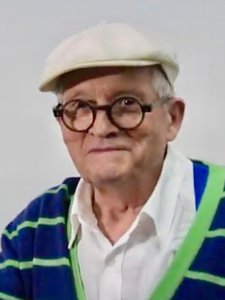
1937–2026, イギリス
デイヴィッド・ホックニー
形成期と芸術的修練 イギリスのブラッドフォードに生を受けたデイヴィッド・ホックニーは、5人兄弟のなかで育ちました。父ケネス・ホックニーは会計士の事務員として働き、第二次世界大戦中には良心的兵役拒否を貫いた人物であり、一方、母ローラはメソジストの信仰を持ち、厳格な菜食主義者でした。彼の幼少期は、レンガ造りの工場が立ち並び、活気ある市場が賑わうヨークシャーの工業的な風景の中にありました。 彼の本格的な芸術的修練は、1953年から1957年にかけてのブラッドフォード・アート・カレッジから始まります。そこでは、生写し(デッサン)や肖像画の習作に深く没頭していきました。その後、彼はロンドンへと舞台を移し、ロイヤル・カレッジ・オブ・アートで学び、1962年にはゴールドメダルという栄誉を手に卒業します。このロイヤル・カレッジ・オブ・アートでの歳月、彼はポップ・アート運動の潮流とともに歩んでいくことになります。 ロサンゼルスへの転換と進化するメディア 1964年、デイヴィッド・ホックニーはロサンゼルスへと拠点を移します。この移住は、彼の色彩と光に対する眼差しを根本から変えることとなりました。彼はスイミング・プールを描いた作品でその名を馳せるようになり、アクリル絵具という媒体を巧みに操ることで、鮮やかな色彩と水面の揺らぎを見事に捉えてみせたのです。この時期の作品は、郊外の生活が持つ幾何学的な秩序や、光が物体に当たる様を深く探求していました。 キャリアを通じて、デイヴィッド・ホックニーは多種多様なメディアを自在に横断してきました。 彼の技術的なアプローチは、逆遠近法やカメラ・ルシーダの活用など、多岐にわたります。そして晩年には、iPadをはじめとするデジタルツールや様々なソフトウェアを駆使することで、風景を再構築し、移ろいゆく光を捉えるという新たな表現の地平を切り拓いていったのです。
デイヴィッド・ホックニーのその他の作品
 二人の人物とアーティストのプールを描いた肖像画1971
 より大きな水しぶき1967
 プールと2人の人物
 ニカルズ・キャニオン
Cactusに関するエッセイ
 Beyond the Bowl: The Symbolic Depth and Formal Precision of Still Life PaintingExplore the symbolic depth of still life from Baroque vanitas to Cézanne. Discover the evolution of the genre now.
 Tactile Maximalism: The Expert Guide to Styling Bold Pop Art for Dopamine Decor InteriorsMaster the art of Dopamine Decor with our expert guide to Tactile Maximalism. Learn how to professionally style bold Pop Art through textur…
 David Hockney: A Retrospective on Pop Art's Chronicler of Light, Space, and the EverydayExplore the life & work of David Hockney, Pop Art's master chronicler. Discover his iconic paintings, Californian landscapes, and lasting i…