
 設置イメージを確認
 送る
送る シェア
シェア
 詳細情報
詳細情報 ガイドを表示

 画像をダウンロード
 似ている作品
 X線調査
X線調査 スライドショー
 統計情報
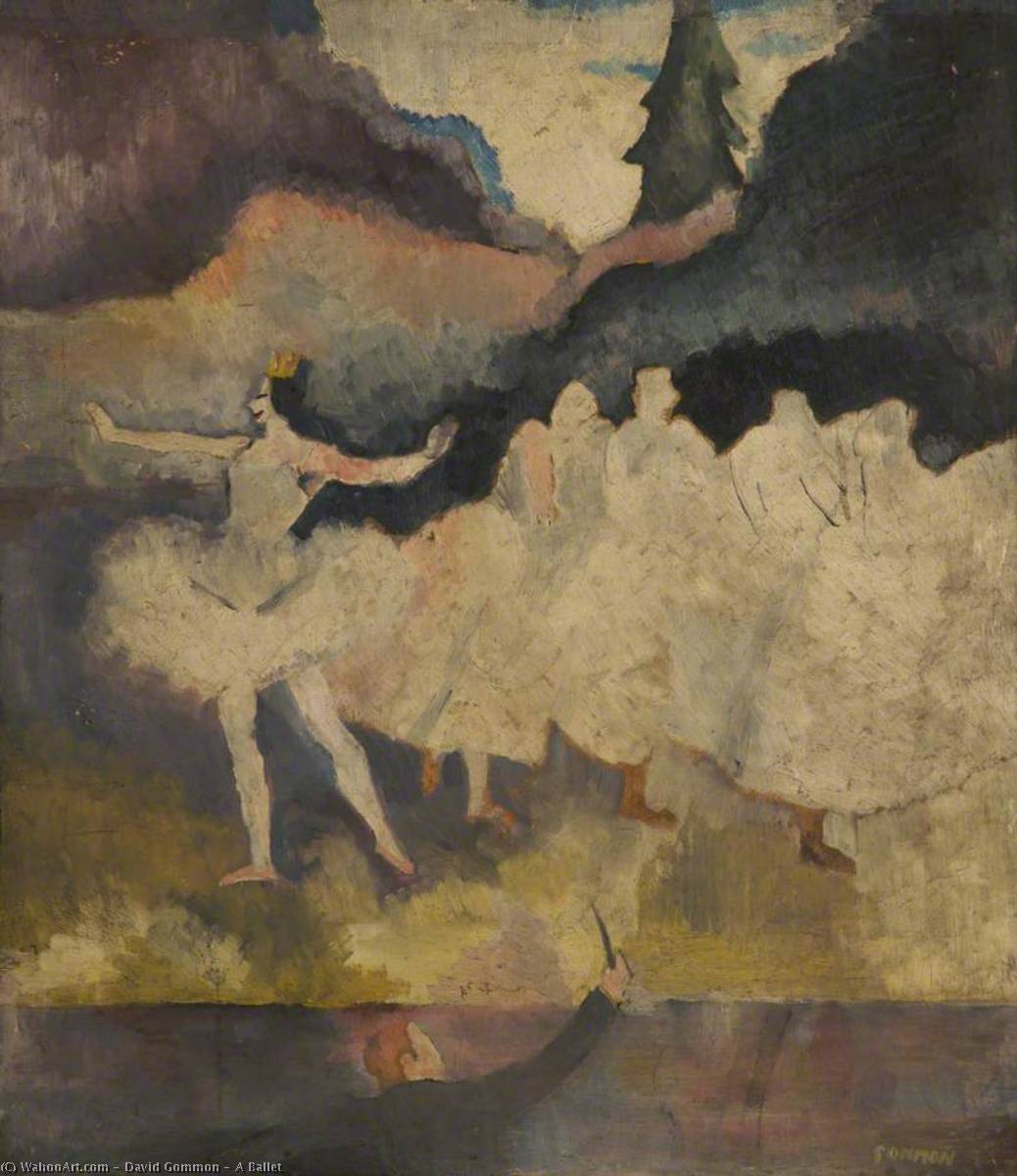
統計情報A Ballet
 81.0 x 68.0 cm
 サルフォード博物館・美術館
 続きを読む
続きを読む
このページに掲載されている作品は著作権法によって保護されており、当社の許可なく同一の複製物を制作または販売することは法律で禁じられています。この保護は、以下のような国際条約に基づき執行されます。 ベルヌ条約 および、以下の条項に定められたものを含む各国の法律により、 米国著作権法 第17編。
敬意を払った法的な代替手段として、私たちはオリジナルにインスピレーションを与えられた、カスタムの手描きアートワークを提供しています。私たちの熟練したプロのアーティストは、元の作品が持つスタイル、情緒、そして芸術的なエッセンスを注意深く研究し、独自の創作物でありながら、同じ感性を呼び起こすような、新しくユニークな作品を作り上げます。
この手法は、著作権で保護された作品の複製や複写を伴わないため、著作権法に完全に準拠しています。これは単なる模倣ではなく、創造的な再解釈です。元の作品からインスピレーションを受けつつも、それとは異なる、全く新しい絵画を生み出すものです。
手描き油彩複製画
当社のアーティストが、お客様のご希望のサイズと額縁に合わせて、キャンバスに手描きで制作する油彩画です。 ( プリント版に切り替え デジタル画像販売へ切り替え)




































作品のオリジナル比率に合わせた、当店の規定サイズからお選びください。

フレームや壁のスペースに合わせて、ご希望の幅と高さを入力してください。本作品は手描きのため、異なる比率のサイズをご希望の場合、絵画の周囲を少し広げて描くか、あるいは端を少しカットして調整することが可能です。お客様のご要望に合わせます。制作を開始する前に、仕上がりを確認するためのデジタルモックアップをお送りいたします。このページに表示されている画像は完成品の実物ではなく、あくまでモックアップによるイメージです。
ご注文後、OriginalUniqueArt.com チームより詳細な指示をお送りするとともに、仕上がりイメージ(モックアップ)をご提供いたします。


 ガラスオプションは、110cm未満のサイズでのみご利用いただけます。

A Ballet
再現技法
複製画サイズ一覧
-


合計金額
¥ 47198
アーティストについて
A Life Immersed in Landscape and Light: The World of David Gommon
David Gommon, born in Battersea, South London, in 1913, was an artist whose life became deeply interwoven with the landscapes he so passionately depicted. His journey began humbly, with enrollment at Battersea Polytechnic and Clapham School of Art at the age of sixteen – formative steps that laid the groundwork for a career dedicated to capturing the essence of the British countryside. A pivotal moment arrived early in his artistic development when he encountered Lucy Carrington Wertheim, an influential art collector who recognized Gommon’s talent and became his patron. This support, providing a regular stipend of £2 per week, allowed the young artist to fully immerse himself in his craft, a freedom that proved invaluable as he began to forge his unique path. Wertheim's patronage wasn't merely financial; it opened doors to a vibrant artistic circle, introducing Gommon to figures like Margot Fonteyn and Robert Helpmann, both of whom became subjects for his portraits during their time at Sadler’s Wells. This early exposure to the performing arts undoubtedly influenced his sensitivity to form and movement, qualities that would later manifest in his evocative landscapes. His inclusion within the “20s Group,” also fostered by Wertheim, placed him amongst a constellation of emerging talents including Christopher Wood, Barbara Hepworth, Roger Hilton, and Victor Pasmore – an environment brimming with experimentation and collaborative spirit.Early Visions and a Temporary Pause
Gommon’s initial artistic explorations centered on the landscapes of England and Wales, seeking not simply to replicate their visual appearance but to distill their emotional core. His first one-man show, facilitated by Wertheim at her Burlington Gardens gallery, garnered positive critical attention, signaling the arrival of a promising new voice in British art. The 1930s were a period of intense artistic growth for Gommon, marked by a developing style that blended realism with a lyrical quality – paintings grounded in observation yet imbued with a sense of poetic beauty. However, in 1938, he made the surprising decision to temporarily cease painting altogether. This wasn’t a rejection of art, but rather a shift in focus driven by circumstance and a desire for stability. He secured a teaching position at Northampton Grammar School, where he would spend decades nurturing young artistic minds. This period was far from artistically barren; Gommon continued to engage with creativity through his teaching, utilizing reproductions of masterworks to illustrate lessons and designing sets for the school’s theatrical productions. It was also during this time that he began creating portraits of students, including a notable likeness of actor/artist Jonathan Adams. He supplemented his income in the 1960s by delivering art lectures for the Workers' Educational Association (WEA) in Northamptonshire, sharing his passion and knowledge with a wider audience.Resurgence and Late-Life Recognition
Though interrupted, Gommon’s artistic impulse never fully extinguished itself. He resumed painting after the war, finding renewed inspiration in the landscapes surrounding his home in Northamptonshire and revisiting the coastal scenes of Dorset that had captivated him as a young man. His wartime experience was shaped by a spinal curvature which prevented military service; instead he served with the London Auxiliary Fire Service. The post-war years saw Gommon’s style mature, becoming bolder and more expressive, his use of color increasingly vibrant. His final major commission – two large murals for St. Crispin’s Hospital in Northampton – stands as a testament to his belief in art's power to uplift and heal. These works weren’t merely decorative; they were intended to create a sense of calm and hope within the hospital environment, reflecting Gommon’s deep-seated humanism. Recognition came later in life, with a positive review from art critic Ian Mayes following his 1975 exhibition at St Catharine’s College, Cambridge. Mayes eloquently captured the essence of Gommon's work, praising its “sense of joy in life” and its ability to convey “wonderment and delight in nature.”Influences and Artistic Legacy
Gommon’s artistic sensibilities were profoundly shaped by his early exposure to the Old Masters during visits to art galleries in the Netherlands. He absorbed their techniques, their understanding of light and shadow, and their ability to imbue their works with a sense of timelessness. He was also influenced by the neo-romantic movement, which emphasized emotion, imagination, and a deep connection to nature. However, Gommon wasn’t simply imitating these influences; he synthesized them into something uniquely his own – a style that blended realism with lyrical abstraction, capturing not just what he *saw* but how it *felt*. His work offers valuable insights into the artistic landscape of Britain during the interwar period and beyond. His association with the 20s Group places him within a significant moment of artistic innovation, while his dedication to depicting the British countryside contributed to the preservation and reinterpretation of a long-standing tradition. David Gommon’s legacy lies in his ability to find beauty in the everyday, to reveal the hidden poetry of the natural world, and to remind us of the enduring power of art to inspire and uplift. His paintings continue to resonate with viewers today, offering a glimpse into a world seen through the eyes of an artist deeply attuned to the rhythms and harmonies of nature.Preserving Gommon’s Vision
Today, David Gommon's work is held in numerous public collections, including Salford City Art Gallery, Whitworth Art Gallery, Northampton Art Gallery, The University of Leicester, Auckland Art Gallery (New Zealand), and Queensland Art Gallery (Australia). A recent monograph published by Sansom & Company, authored by Philip Vann and Karen Taylor, marks the first comprehensive overview of his life and work. This publication is a crucial step in ensuring that Gommon’s contribution to British art receives the recognition it deserves. The upcoming exhibition at The Art Stable in Dorset, coinciding with the book launch, promises to further illuminate his artistic journey, showcasing paintings from 1936 to 1985 and offering viewers a chance to experience firsthand the evocative power of his landscapes. David Gommon’s story is one of quiet dedication, unwavering passion, and a profound connection to the natural world – a testament to the enduring beauty of art and its ability to enrich our lives.
David Gommon
1913 - 1987 , United Kingdom
アーティスト情報
- Full Name: David Gommon
- Nationality: British
- Date Of Birth: 1913
- Date Of Death: 1987
- Place Of Birth: Battersea, United Kingdom
- Notable Artworks:
- Music Hall
- A Ballet
- Flowers in a Jug
- Artistic Movement Or Style: Neo-romanticism
- Artists Who Influenced This Artist: ['Old Masters']
- Artists Or Movements Influenced By This Artist: ['20s Group']