

 設置イメージを確認
 送る
送る シェア
シェア
 詳細情報
詳細情報 ガイドを表示

 画像をダウンロード
 似ている作品
 X線調査
X線調査 スライドショー
 統計情報
統計情報The Skylark


 続きを読む
続きを読む
ジークレー/アートプリント
スピーディーな制作と多彩な仕上げオプションが魅力の、ミュージアムクオリティなジークレー・キャンバスプリント。 ( 手描きの複製画を注文する デジタル画像販売へ切り替え)




P118B ¥10

P118H ¥10

P118W ¥10

P438Z ¥10

P508JH ¥12

P508YH ¥12

P805H ¥10

P805Z ¥10

P919BZ ¥10

P919G ¥10

P919XJ ¥10

P959ZH ¥10

P968JZ ¥12

W106C ¥8

W218G ¥10

W218JH ¥8

W218Y ¥10

W307PJ ¥10

W316G ¥10

W316PJ ¥8

W316Y ¥10

W398PJ ¥8

W4111J ¥10

W500HY ¥15

W500JH ¥15

W692G ¥12

W849H ¥8

W940BG ¥15

W953PJ ¥8




作品のオリジナル比率に合わせた、当店の規定サイズからお選びください。

額縁や壁のスペースに合わせて、ご希望の幅と高さを入力してください。プリントはカットすることは可能ですが、元の画像より大きくすることはできないため、異なる比率のサイズを選択された場合は、画像の一部が欠けることになります。印刷を開始する前に、内容を確認していただくためのデジタルモックアップをお送りいたします。このページに表示されている画像は、実際のカット後の状態を示すものではありません。実際の仕上がりはモックアップにてご確認ください。


 ガラスオプションは、110cm未満のサイズでのみご利用いただけます。

The Skylark
ジークレー/アートプリント
複製画サイズ一覧
-


合計金額
¥ 12596
A Vision of Tranquility: The Essence of The Skylark
In the vast tapestry of English landscape painting, few works capture the ephemeral beauty of the countryside with as much soul as David Cox’s The Skylark. Created in 1849, this masterpiece serves as a profound window into a serene, pastoral era, inviting the viewer to pause and breathe in the quietude of the rural landscape. The painting presents a sprawling field of grass that stretches toward a distant, hazy horizon, all under the watchful gaze of a soft, cloudy sky. Within this expansive vista, Cox introduces a sense of human connection through scattered figures—perhaps a family—positioned near a sturdy wooden fence in the middle ground. This deliberate arrangement creates a beautiful balance between the immense scale of nature and the intimate, shared moments of human life, establishing a composition that is as much about emotional harmony as it is about visual grandeur.
The technical execution of The Skylark reveals Cox’s mastery of the Birmingham School tradition, a style that prioritizes atmospheric truth over rigid topographical precision. Rather than relying on sharp, clinical lines, the artist employs loose, expressive brushstrokes that suggest form and texture through movement. A large, commanding tree anchors the left foreground, its foliage rendered with a rugged, tactile quality that contrasts beautifully against the softer, more blended strokes used for the sky. This interplay of textures creates a palpable sense of depth; as the eye moves toward the horizon, the landscape becomes paler and less defined, utilizing atmospheric perspective to evoke a feeling of infinite space. The color palette is a sophisticated study in muted tones—earthy browns, deep greens, and soft grevers—which work in concert with the diffused, overcast lighting to bathe the entire scene in a gentle, tranquil glow.
Symbolism and Emotional Resonance
Beyond its technical brilliance, The Skylark carries a profound symbolic weight that continues to captivate collectors and art enthusiasts alike. The very title suggests an upward gaze, a moment of sudden wonder as the viewer’s attention is drawn toward the heavens, mirroring the act of looking up at a bird in flight. This theme of observation and appreciation for the natural world imbes the work with a sense of spiritual peace. For the interior designer or art lover, the painting offers more than mere decoration; it provides an emotional anchor for a space. The lack of harsh shadows and the presence of soft, organic shapes—from the rounded clouds to the undulating fields—create an atmosphere of stability and calm. It is a piece that does not demand attention through spectacle, but rather earns it through a quiet, enduring grace, making it an ideal centerpiece for those seeking to infuse their surroundings with a sense of timelessness and pastoral beauty.
よくあるご質問
デイヴィッド・コックス作「The Skylark」の構図を主導している色は何ですか?
デイヴィッド・コックス作「The Skylark」の主色(メインカラー)はPutty (#d3d6e0)です。
バーミンガム博物館・美術館に所蔵されているデイヴィッド・コックス作「The Skylark」は、法的に複製することが可能でしょうか?
バーミンガム博物館・美術館に所蔵されているデイヴィッド・コックス作「The Skylark」は、パブリックドメイン(著作権消滅)です。このステータスにより、画像の複製が可能かどうかが決まります。
デイヴィッド・コックス作「The Skylark」はパブリックドメインですか?
デイヴィッド・コックス作「The Skylark」はパブリックドメイン(著作権消滅)です。このステータスは、作品の画像の複製方法を規定するものです。
アーティストについて
デヴィッド・コックス:風景画における輝かしい生涯
1783年4月29日、イギリスのバーミンガムのデリットエンドで生まれたデヴィッド・コックスは、英国風景画史において重要な位置を占める画家です。彼の人生と作品は、自然への深い愛情と革新的な表現技法によって彩られています。父は銃器製造に関わる鍛冶屋であり、母は農村出身ながらも優れた教養を持ち、強い意志の持ち主でした。幼少期から絵画に興味を示し、15歳でバーミンガムの画家アルバート・フィーダーのもとで修行を始めます。この初期の訓練が、その後の彼の基礎的な技術力を培うこととなりました。
芸術的道のりとキャリアの発展
1804年、コックスはロンドンに移り住み、家主の娘メアリー・ラッグと結婚します。この頃から、風景画への情熱が芽生え始めます。1805年のチャールズ・バーバーとのウェールズ旅行は、彼の芸術的生涯における転換点となりました。以後、彼は生涯にわたって数多くのスケッチ旅行を繰り返し、その経験が作品のスタイルに大きな影響を与えました。コックスは1805年から王立アカデミーに定期的に作品を出展し、当初は絵画教室の講師として生計を立てていました。1808年には、ハノーバー伯爵の息子であるH.ウィンザー大佐が彼の最初の生徒の一人となります。
- 初期の作品は、農村風景や建築物を描いた詳細な水彩画が中心でした。
- 影響: 17世紀のオランダ風景画家やコンスタブルなどから影響を受けました。
- 自然への深い観察眼と、光の効果を捉える卓越した技術が特徴です。
芸術的スタイルと影響
コックスのスタイルは時代とともに変化を遂げました。精密な地形描写から、より表現豊かで大気的なアプローチへと移行していきます。彼の作品に影響を与えた画家としては、17世紀のオランダ風景画や、自然観察においてコンスタブルが挙げられます。コックスは、緩やかな筆致、鮮やかな色彩、そして光と天候の効果を捉える能力によって知られるようになりました。特に晩年の油彩作品は、革新的な試みとして高く評価されています。
主要な業績と遺産
コックスは晩年のキャリアにおいて300点以上の油彩作品を描き上げました。これらの作品は現在、「英国画家の中でも最も偉大でありながら、あまり知られていない業績」として評価されています。彼は英国水彩画の黄金時代を代表する重要な画家の一人であり、その作品は後世の多くの風景画家たちに影響を与えました。代表作としては、『ヒースの風』、『ハ Herefordシャーのコテージ』、『セヴァーン川とワイ川の合流地点(遠くにはチェプストウ)』、『月光の風景』などが挙げられます。
歴史的意義
デヴィッド・コックスは、印象派の先駆者の一人として認識されています。彼は、移ろいゆく大気現象を捉えようとする姿勢や、緩やかな筆致を用いる技法において、後の印象派が採用する手法を予見していました。また、英国風景画という独自のジャンルを確立し、単なる地形描写から、より表現的で感情的な自然の解釈へと方向転換しました。彼の作品は、その美しさ、繊細さ、そして時代を超えて人々の心を捉える普遍的な魅力によって、今もなお高く評価されています。
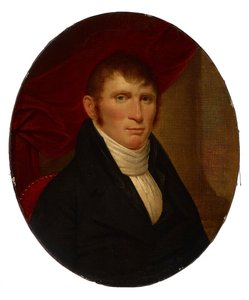
デイヴィッド・コックス
1783 - 1859 , イギリス
アーティスト情報
- Artistic Movement Or Style: 英国風景画、印象派前駆者
- Artists Or Movements Influenced By This Artist: ['後世の風景画家']
- Artists Who Influenced This Artist:
- オランダ風景画家
- コンスタブル
- Date Of Birth: 1783年4月29日
- Date Of Death: 1859年
- Full Name: デイビッド・コックス
- Nationality: イギリス人
- Notable Artworks (List Of Titles):
- ヒースの風
- ハ Herefordshire のコテージ
- セヴァーン川とワイ川の合流点
- 月光の風景
- Place Of Birth (City And Country): バーミンガム, イギリス
関連記事

Evoking Nature's Sublime: A Comprehensive Exploration of 19th-Century Landscape Painting
Explore the captivating world of 19th-century landscape painting! Discover renowned artists like Friedrich & Monet, key movements, and find the perfect artwork to bring nature's serenity into your home. Expert insights at OriginalUniqueArt.

David Cox the Elder: Landscape, Light & the Romantic Vision of Rural England
Explore the captivating landscapes of David Cox the Elder, a pivotal figure in British Romanticism. Discover his masterful watercolour techniques, enduring legacy & find timeless art for your home at OriginalUniqueArt.

印象派風景を彩った至宝:アート史に名を刻む10選
印象派風景の革新を彩った10選。モネ、ルノワールら巨匠の名作を紐解き、色彩と光が生み出す感動の世界へ。アートの歴史とインテリアのインスピレーションをOriginalUniqueArt.comで。高品質な複製画で、あなただけの空間を創造しましょう。

ロマン派ランドスケープ:時代を彩る巨匠の10選|アートとインテリアの世界
ロマン派絵画の時代を彩る10選。巨匠たちの風景が織りなす感動の世界へ。ターナー、ルーベンスなど、名作の裏話と高精細複製でアートをお部屋に。OriginalUniqueArt.comで至福のアート体験を。

Impressionistic Landscapes: 10 Masterpieces That Changed Art & Decor
Journey into the heart of Impressionism! Explore 10 masterpieces by Monet, Renoir & Degas that revolutionized landscape art. Discover their stories, techniques & find museum-quality reproductions to elevate your home decor on OriginalUniqueArt.com.