
 設置イメージを確認
 送る
送る シェア
シェア
 詳細情報
詳細情報 ガイドを表示

 画像をダウンロード
 似ている作品
 X線調査
X線調査 スライドショー
 Q&A
Q&A 統計情報
統計情報Going to the Hayfield


 続きを読む
続きを読む
ジークレー/アートプリント
スピーディーな制作と多彩な仕上げオプションが魅力の、ミュージアムクオリティなジークレー・キャンバスプリント。 ( 手描きの複製画を注文する デジタル画像販売へ切り替え)




P118B ¥10

P118H ¥10

P118W ¥10

P438Z ¥10

P508JH ¥12

P508YH ¥12

P805H ¥10

P805Z ¥10

P919BZ ¥10

P919G ¥10

P919XJ ¥10

P959ZH ¥10

P968JZ ¥12

W106C ¥8

W218G ¥10

W218JH ¥8

W218Y ¥10

W307PJ ¥10

W316G ¥10

W316PJ ¥8

W316Y ¥10

W398PJ ¥8

W4111J ¥10

W500HY ¥15

W500JH ¥15

W692G ¥12

W849H ¥8

W940BG ¥15

W953PJ ¥8




作品のオリジナル比率に合わせた、当店の規定サイズからお選びください。

額縁や壁のスペースに合わせて、ご希望の幅と高さを入力してください。プリントはカットすることは可能ですが、元の画像より大きくすることはできないため、異なる比率のサイズを選択された場合は、画像の一部が欠けることになります。印刷を開始する前に、内容を確認していただくためのデジタルモックアップをお送りいたします。このページに表示されている画像は、実際のカット後の状態を示すものではありません。実際の仕上がりはモックアップにてご確認ください。


 ガラスオプションは、110cm未満のサイズでのみご利用いただけます。

Going to the Hayfield
ジークレー/アートプリント
複製画サイズ一覧
-


合計金額
¥ 12624
A Moment of Rural Tranquility: Exploring David Cox’s “Going to the Hayfield”
David Cox's "Going to the Hayfield," painted in 1849, isn’t merely a landscape; it’s a carefully constructed distillation of Romantic sensibility and a profound connection to the English countryside. This evocative piece, now beautifully reproduced, transports us to a specific moment – a quiet afternoon as figures journey towards a hayfield bathed in the diffused light of an overcast sky. Cox, a pivotal figure bridging the gap between earlier landscape traditions and the burgeoning Impressionism of his time, masterfully captures not just the visual elements but also the atmosphere and emotional resonance of rural life.
Cox’s style is distinctly Romantic, prioritizing mood and feeling over precise detail. He eschews sharp outlines and meticulous rendering in favor of loose, expressive brushstrokes that create a sense of movement and texture throughout the canvas. The painting feels less like a photographic representation and more like an emotional response to the scene – a memory imbued with tranquility and a subtle melancholy. The muted color palette—dominated by earthy greens, browns, and grays punctuated by hints of red in the figures’ clothing—further enhances this atmospheric effect, suggesting a timelessness that transcends any specific date or season.
Composition and Perspective: Framing a Pastoral Scene
The composition is deliberately horizontal, emphasizing the vast expanse of the sky which dominates nearly two-thirds of the canvas. This expansive view immediately establishes a sense of scale and invites the viewer to lose themselves in the landscape. A subtle foreground—a simple fence and patches of foliage—serves as a gentle guide, drawing our eye towards the middle ground where the figures are positioned. The low horizon line reinforces this feeling of openness and amplifies the drama of the sky. Cox skillfully employs atmospheric perspective; distant elements recede into a hazy blue distance, creating an illusion of depth and suggesting the immense scale of the countryside.
The placement of the figures – a small group riding horseback and walking alongside a fence – is crucial to the painting’s narrative. They are not imposing subjects but rather integrated seamlessly within the landscape, representing humanity's quiet interaction with nature. Their presence anchors the scene while simultaneously highlighting its inherent beauty and solitude.
Symbolism and Emotional Resonance: A Reflection of Romantic Ideals
“Going to the Hayfield” is rich in symbolic meaning, reflecting the core tenets of the Romantic movement. The overcast sky, often interpreted as a symbol of introspection or contemplation, lends a subtle melancholy to the scene. It’s not a bright, celebratory landscape; rather, it evokes a sense of quiet reflection and connection to something larger than oneself. The hayfield itself represents abundance and sustenance – a vital element of rural life and a reminder of nature's generosity. Cox’s choice of subject matter—a simple, everyday activity—elevates it to an artistic statement about the beauty and value of the natural world.
Technique and Materials: The Art of Layered Impressionism
Cox’s technique is characterized by a layering of colors applied with loose brushstrokes. He builds up the image gradually, creating a sense of depth and texture through subtle variations in tone and hue. The use of oil paint on canvas allows for rich color saturation and blending—essential to achieving the painting's atmospheric effect. The artist’s deliberate avoidance of sharp lines contributes to the overall feeling of softness and fluidity. It is a testament to Cox’s skill that this seemingly simple landscape feels so profoundly alive, capturing not just what he saw but also how he *felt* about it.
よくあるご質問
デイヴィッド・コックス作「Going to the Hayfield」は、どのような感情を伝えていますか?
デイヴィッド・コックス作「Going to the Hayfield」に描かれた情緒はCalmであり、その感情的なトーンはTranquilです。
「Going to the Hayfield」のスタイルは、作者の時代背景とどのように関わっていますか?
「Going to the Hayfield」はRomantic Landscape Paintingの様式に属しており、その作者は19世紀の時代に活動していました。
デイヴィッド・コックス作「Going to the Hayfield」をスライドショーで閲覧するには、どうすればよいですか?
「Going to the Hayfield」のスライドショーは、作品のスライドショーページでご覧いただけます。
アーティストについて
デヴィッド・コックス:風景画における輝かしい生涯
1783年4月29日、イギリスのバーミンガムのデリットエンドで生まれたデヴィッド・コックスは、英国風景画史において重要な位置を占める画家です。彼の人生と作品は、自然への深い愛情と革新的な表現技法によって彩られています。父は銃器製造に関わる鍛冶屋であり、母は農村出身ながらも優れた教養を持ち、強い意志の持ち主でした。幼少期から絵画に興味を示し、15歳でバーミンガムの画家アルバート・フィーダーのもとで修行を始めます。この初期の訓練が、その後の彼の基礎的な技術力を培うこととなりました。
芸術的道のりとキャリアの発展
1804年、コックスはロンドンに移り住み、家主の娘メアリー・ラッグと結婚します。この頃から、風景画への情熱が芽生え始めます。1805年のチャールズ・バーバーとのウェールズ旅行は、彼の芸術的生涯における転換点となりました。以後、彼は生涯にわたって数多くのスケッチ旅行を繰り返し、その経験が作品のスタイルに大きな影響を与えました。コックスは1805年から王立アカデミーに定期的に作品を出展し、当初は絵画教室の講師として生計を立てていました。1808年には、ハノーバー伯爵の息子であるH.ウィンザー大佐が彼の最初の生徒の一人となります。
- 初期の作品は、農村風景や建築物を描いた詳細な水彩画が中心でした。
- 影響: 17世紀のオランダ風景画家やコンスタブルなどから影響を受けました。
- 自然への深い観察眼と、光の効果を捉える卓越した技術が特徴です。
芸術的スタイルと影響
コックスのスタイルは時代とともに変化を遂げました。精密な地形描写から、より表現豊かで大気的なアプローチへと移行していきます。彼の作品に影響を与えた画家としては、17世紀のオランダ風景画や、自然観察においてコンスタブルが挙げられます。コックスは、緩やかな筆致、鮮やかな色彩、そして光と天候の効果を捉える能力によって知られるようになりました。特に晩年の油彩作品は、革新的な試みとして高く評価されています。
主要な業績と遺産
コックスは晩年のキャリアにおいて300点以上の油彩作品を描き上げました。これらの作品は現在、「英国画家の中でも最も偉大でありながら、あまり知られていない業績」として評価されています。彼は英国水彩画の黄金時代を代表する重要な画家の一人であり、その作品は後世の多くの風景画家たちに影響を与えました。代表作としては、『ヒースの風』、『ハ Herefordシャーのコテージ』、『セヴァーン川とワイ川の合流地点(遠くにはチェプストウ)』、『月光の風景』などが挙げられます。
歴史的意義
デヴィッド・コックスは、印象派の先駆者の一人として認識されています。彼は、移ろいゆく大気現象を捉えようとする姿勢や、緩やかな筆致を用いる技法において、後の印象派が採用する手法を予見していました。また、英国風景画という独自のジャンルを確立し、単なる地形描写から、より表現的で感情的な自然の解釈へと方向転換しました。彼の作品は、その美しさ、繊細さ、そして時代を超えて人々の心を捉える普遍的な魅力によって、今もなお高く評価されています。
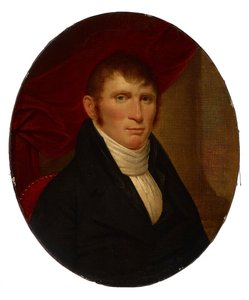
デイヴィッド・コックス
1783 - 1859 , イギリス
アーティスト情報
- Artistic Movement Or Style: 英国風景画、印象派前駆者
- Artists Or Movements Influenced By This Artist: ['後世の風景画家']
- Artists Who Influenced This Artist:
- オランダ風景画家
- コンスタブル
- Date Of Birth: 1783年4月29日
- Date Of Death: 1859年
- Full Name: デイビッド・コックス
- Nationality: イギリス人
- Notable Artworks (List Of Titles):
- ヒースの風
- ハ Herefordshire のコテージ
- セヴァーン川とワイ川の合流点
- 月光の風景
- Place Of Birth (City And Country): バーミンガム, イギリス
関連記事

ロマン派ランドスケープ:時代を彩る巨匠の10選|アートとインテリアの世界
ロマン派絵画の時代を彩る10選。巨匠たちの風景が織りなす感動の世界へ。ターナー、ルーベンスなど、名作の裏話と高精細複製でアートをお部屋に。OriginalUniqueArt.comで至福のアート体験を。

ジョン・コンスタブルの傑作25選:英国風景画の巨匠が描く自然と光の詩 | OriginalUniqueArt
ジョン・コンスタブルの傑作25選。英国風景画の巨匠が描く自然と光の詩の世界へ。ロマン主義を代表する絵画、デダム・ヴェールやヘイ・ウェインなど、OriginalUniqueArtで高品質なアートプリントをお楽しみください。インテリアに深みと感動を。コレクションはこちら。

Watercolor Wonders: 10 Masterpieces That Redefined Art History | OriginalUniqueArt
Journey through 10 legendary watercolor masterpieces by Sargent, Turner & Homer! Explore iconic landscapes, portraits & floral art that redefined history. Find museum-quality reproductions and curated decor ideas at OriginalUniqueArt.com.

David Cox the Elder: Landscape, Light & the Romantic Vision of Rural England
Explore the captivating landscapes of David Cox the Elder, a pivotal figure in British Romanticism. Discover his masterful watercolour techniques, enduring legacy & find timeless art for your home at OriginalUniqueArt.

Ephemeral Visions: Exploring the Artistic Legacy & Contemporary Practice of Watercolor Painting
Explore the captivating world of watercolor painting! Discover its rich history, essential techniques, influential artists & collecting tips. A comprehensive guide for art enthusiasts from OriginalUniqueArt.