

 設置イメージを確認
 送る
送る シェア
シェア
 詳細情報
詳細情報 ガイドを表示

 画像をダウンロード
 似ている作品
 X線調査
X線調査 スライドショー
 統計情報
統計情報Ju Jitsu
 Oil On Board
- Cubism
 1913
1913- Late Medieval
 62.0 x 62.0 cm
 テート・リバプール
 続きを読む
続きを読む
このページに掲載されている作品は著作権法によって保護されており、当社の許可なく同一の複製物を制作または販売することは法律で禁じられています。この保護は、以下のような国際条約に基づき執行されます。 ベルヌ条約 および、以下の条項に定められたものを含む各国の法律により、 米国著作権法 第17編。
敬意を払った法的な代替手段として、私たちはオリジナルにインスピレーションを与えられた、カスタムの手描きアートワークを提供しています。私たちの熟練したプロのアーティストは、元の作品が持つスタイル、情緒、そして芸術的なエッセンスを注意深く研究し、独自の創作物でありながら、同じ感性を呼び起こすような、新しくユニークな作品を作り上げます。
この手法は、著作権で保護された作品の複製や複写を伴わないため、著作権法に完全に準拠しています。これは単なる模倣ではなく、創造的な再解釈です。元の作品からインスピレーションを受けつつも、それとは異なる、全く新しい絵画を生み出すものです。
手描き油彩複製画
当社のアーティストが、お客様のご希望のサイズと額縁に合わせて、キャンバスに手描きで制作する油彩画です。 ( プリント版に切り替え デジタル画像販売へ切り替え)




P118B ¥10

P118H ¥10

P118W ¥10

P438Z ¥10

P508JH ¥12

P508YH ¥12

P805H ¥10

P805Z ¥10

P919BZ ¥10

P919G ¥10

P919XJ ¥10

P959ZH ¥10

P968JZ ¥12

W106C ¥8

W218G ¥10

W218JH ¥8

W218Y ¥10

W307PJ ¥10

W316G ¥10

W316PJ ¥8

W316Y ¥10

W398PJ ¥8

W4111J ¥10

W500HY ¥15

W500JH ¥15

W692G ¥12

W849H ¥8

W940BG ¥15

W953PJ ¥8




作品のオリジナル比率に合わせた、当店の規定サイズからお選びください。

フレームや壁のスペースに合わせて、ご希望の幅と高さを入力してください。本作品は手描きのため、異なる比率のサイズをご希望の場合、絵画の周囲を少し広げて描くか、あるいは端を少しカットして調整することが可能です。お客様のご要望に合わせます。制作を開始する前に、仕上がりを確認するためのデジタルモックアップをお送りいたします。このページに表示されている画像は完成品の実物ではなく、あくまでモックアップによるイメージです。
ご注文後、OriginalUniqueArt.com チームより詳細な指示をお送りするとともに、仕上がりイメージ(モックアップ)をご提供いたします。


 ガラスオプションは、110cm未満のサイズでのみご利用いただけます。

Ju Jitsu
再現技法
複製画サイズ一覧
-


合計金額
¥ 47236
David Bomberg’s ‘Ju Jitsu’: A Fragmented Dance of Energy
David Bomberg's 1913 painting, “Ju Jitsu,” is not merely a depiction of a martial art; it’s a dynamic exploration of form, movement, and the very essence of human interaction. Captured on a relatively small board – measuring just 62 x 62 cm – the work explodes with an arresting energy that belies its modest scale. Bomberg, a key figure within the ‘Whitechapel Boys,’ a group of East End artists pushing against established artistic conventions, presents us with a collage-like composition featuring four figures engaged in what appears to be a grappling match. However, this isn’t a straightforward representation; instead, Bomberg employs a fractured, almost Cubist approach, layering torso and arm fragments against each other, creating an illusion of simultaneous action and spatial ambiguity.
The muted color palette – dominated by ochres, browns, and greys – contributes significantly to the painting’s subdued yet powerful atmosphere. This deliberate restraint allows the geometric forms and the implied movement to take center stage. The checkered backdrop, a subtle but effective element, adds depth and reinforces the sense of fragmented space, mirroring the disjointed nature of the figures themselves. Bomberg's use of line is particularly striking; bold, angular strokes define the contours of the bodies, conveying both strength and vulnerability. The painting’s roots lie in the burgeoning avant-garde movements of the early 20th century – Cubism, Futurism, and Constructivism – all of which sought to break down traditional representation and explore new ways of perceiving and depicting reality.
Influences and Artistic Context
Bomberg’s artistic journey was shaped by a diverse range of influences. His early training at the City and Guilds Technical Art School provided a foundational understanding of technique, while his time under Walter Sickert at Westminster School of Art instilled in him an appreciation for form and urban life – elements that would later inform his own distinctive style. Crucially, Bomberg’s exposure to Paul Cézanne through the 1910 Roger Fry exhibition “Manet and the Post-Impressionists” proved transformative, introducing him to Cézanne's emphasis on geometric simplification and the exploration of underlying structure. This influence is evident in Bomberg’s own use of fragmented forms and his focus on capturing essential shapes rather than detailed representations.
Furthermore, Bomberg was deeply engaged with the radical artistic currents circulating at the Slade School of Art during this period. Alongside contemporaries like Mark Gertler and Stanley Spencer, he experimented with abstract geometric compositions, drawing inspiration from the Futurists’ celebration of dynamism and movement. The painting “Ju Jitsu” stands as a testament to this experimental spirit, embodying Bomberg's willingness to challenge conventional artistic norms and explore new visual languages.
Decoding the Symbolism
While ostensibly depicting a scene of physical combat, "Ju Jitsu" transcends a simple representation of martial arts. The fragmented figures can be interpreted as symbols of human interaction – the struggle for dominance, the interplay of power and vulnerability, and the inherent tension between individuals. The act of grappling itself represents a negotiation, a yielding and resisting, mirroring the broader themes of conflict and resolution that permeate human experience. Considering Bomberg’s background as a Jewish immigrant in London's East End, one might also read the painting as an exploration of identity and resilience within a rapidly changing urban landscape.
The painting’s abstraction further enhances its symbolic resonance. By stripping away extraneous details and focusing on essential forms, Bomberg invites viewers to engage with the underlying dynamics of the scene – to contemplate the forces at play and to project their own interpretations onto the composition. The lack of a clear narrative or resolution encourages active participation from the viewer, transforming the painting into a dynamic meditation on human interaction.
A Legacy of Innovation
“Ju Jitsu” is more than just a striking visual work; it’s a pivotal example of David Bomberg's artistic evolution. It represents a crucial stage in his development as an abstract painter, bridging the gap between his early training and his later explorations of landscape and portraiture. The painting’s bold geometric forms, dynamic composition, and muted color palette established Bomberg as a leading figure within the British avant-garde, paving the way for future generations of artists to push the boundaries of artistic expression. Reproductions of this captivating work offer a unique opportunity to experience the energy and innovation of one of Britain's most important 20th-century painters.
よくあるご質問
「Ju Jitsu」のSquare形式は、どのような場所に飾るのがおすすめですか?
Squareの形状を活かした「Ju Jitsu」の複製画は、Living Roomに飾るのがおすすめです。
デヴィッド・ボムバーグ作「Ju Jitsu」は、どのような感情を伝えていますか?
「Ju Jitsu」では、DramaticなムードにMysteriousな感情が添えられています。
デヴィッド・ボムバーグ作「Ju Jitsu」の構図を主導している色は何ですか?
デヴィッド・ボムバーグ作「Ju Jitsu」の主色(メインカラー)はPhthalo Green (#262f40)です。
アーティストについて
初期の生涯と芸術的修行
- 生年: イギリス、バーミンガム(1890年12月5日)
- 没年: イギリス、ロンドン(1957年8月19日)
- 20世紀初頭に登場したイーストエンドの芸術家集団「ホワイトチャペル・ボーイズ」の一人。
ポーランド系ユダヤ人の移民であるアブラハムとレベッカ・ボンバーグの間に生まれたデビッド・ボムバーグは、当初シティ・アンド・ギルド技術美術学校で学び、その後バーミンガムでリトグラフ職人としての修行を積みました。
ウェストミンスター美術学校(1908-1910年)ではウォルター・シカートに師事し、形態や都市生活に焦りと置くシカートの作風に深い影響を受けました。また、1910年のロジャー・フライによる展覧会「マネとポスト印象派」を通じてポール・セザンヌの芸術に触れたことは、彼の表現における重要な転換点となりました。その後、スレイド美術学校(1911年)へ進み、同級生であったアイザック・ローゼンバーグを描いた素描でトーンクス賞を受賞するなど、その才能を現しました。
前衛の時代:キュビスム、未来派、そして論争
- スレイド美術学校において、ボムバーグはマーク・ガートラー、スタンレー・スペンサー、C.R.W.ネヴィンソン、ドラ・キャリントンといった、極めて稀有な世代の一員でした。
- 1912年にロンドンで開催されたイタリア未来派の展覧会や、フライによる第二回ポスト印象派展(ピカソ、マティス、フォービスム、ウィンダム・ルイスら)から多大な刺激を受けました。
- キュビスムと未来派を融合させた独自のスタイルを確立し、幾何学的な構成、限定された色彩、角張った人物像、そして格子状の構造を特徴とする表現へと昇華させました。
- しかし、そのあまりに急進的なアプローチは、当時の伝統的な教育手法にそぐわない「大胆すぎる」ものと見なされ、1913年にはスレイド美術学校からの退学処分を受けるという波乱を経験します。
- その後、ブルームズベリー・グループのオメガ・ワークショップに短期間関わり、カムデン・タウン・グループと共に展示を行いました。ウィンダム・ルイス率いるヴォーティシズム運動とも親和性を示しましたが、完全に同化することを拒み、独自の独立性を保ち続けました。
戦争から風景へ:様式の変遷
第一次世界大世紀における一兵卒としての過酷な経験は、彼の芸術的ヴィジョンに計り知れない影響を与え、抽象表現からの脱却を促すこととなりました。
1920年代に入ると、ボムバーグはより具象的なスタイルへと舵を切り、自然から直接汲み取った肖像画や風景画に焦点を当て始めます。そこでは、質感豊かなインパスト(厚塗り)と感情の強烈さを特徴とする、ますます表現主義的な技法が磨かれていきました。
中東(特にパレスチナ)やヨーロッパへの広範な旅も、彼の後年の作品に決定的な影響を及ぼしました。とりわけ、彼が描き出したエルサレムの情景は、特筆すべき美しさを湛えています。
晩年と遺産
- 1945年から1953年にかけて、ボロ・ポリテクニック(現在のロンドン・サウスバンク大学)で教鞭を執り、フランク・オーアバーハ、レオン・コスオフ、フィリップ・ホームズ、クリフ・ホールデン、エドナ・マン、ドロシー・ミード、グスタフ・メッツガー、デニス・クリーフィールド、セシル・ベイリー、マイルズ・リッチモンドといった、次世代を担う芸術家たちに多大な影響を与えました。
- 風景画家であるリリアン・ホルトと結婚しました。
- 生前は比較的無名の時期もありましたが、ここ数十年の間に、イギリス近代美術への重要な貢献として、ボムバーグの作品は世界的な再評価と高い認知を獲得しています。
- ロンドン・サウスバンク大学には、彼の功績を称えて「デビッド・ボムバーグ・ハウス」が命名されています。
- 彼の遺した真の遺産とは、ヨーロッパの前衛運動を独自に統合し、場所の真髄と人間の経験を捉えた、力強く表現豊かな風景画のスタイルを確立した点にあります。

デヴィッド・ボムバーグ
1890 - 1957 , イギリス
アーティスト情報
- Artistic Movement Or Style:
- キュビスム
- 未来派
- 表現主義
- Artists Or Movements Influenced By This Artist:
- フランク・オーバッハ
- レオン・コスオフ
- Artists Who Influenced This Artist:
- ポール・セザンヌ
- ウォルター・シカート
- ウィンダム・ルイス
- Date Of Birth: 1890年12月5日
- Date Of Death: 1957年8月19日
- Full Name: デビッド・ガーシェン・ボムバーグ
- Nationality: イギリス
- Notable Artworks:
- 自画像 (1937)
- 画家の妹キティ (1929)
- 絵画の習作
- エルサレム
- Place Of Birth: イギリス、バーミンガム
関連記事
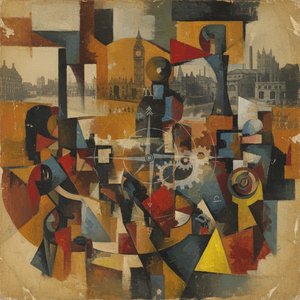
David Bomberg: Reassessing the Pioneering Spirit of Early British Abstraction
Explore the groundbreaking work of David Bomberg, a pivotal figure in British abstraction. Discover his artistic evolution, influences, and lasting legacy through insightful analysis & expert commentary.
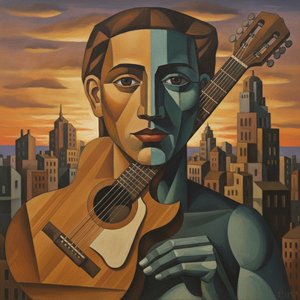
Cubism Unveiled: How Picasso and Braque Redefined Reality Through Geometric Abstraction
Explore the revolutionary world of Cubism. Discover how masters Pablo Picasso and Georges Braque dismantled reality through geometric abstraction to redefine modern art history.

Deconstructing Reality: Cubism's Evolution, Impact & Enduring Legacy
Explore the revolutionary world of Cubism with expert insights from OriginalUniqueArt. Discover Picasso & Braque's groundbreaking techniques, its philosophical roots, and lasting impact on modern art. Expert appraisal & custom reproductions available.
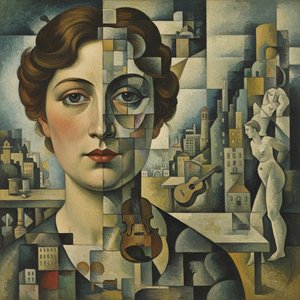
Deconstructing Reality: Cubism's Revolutionary Impact on 20th-Century Art
Explore the revolutionary world of Cubism with OriginalUniqueArt. Discover Picasso & Braque's groundbreaking techniques, its philosophical roots, and lasting impact on modern art. Expert insights for collectors.
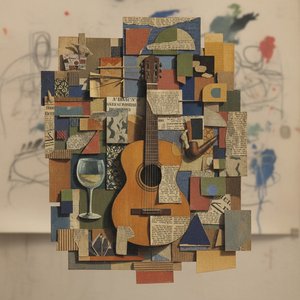
Deconstructing Reality: A Comprehensive Exploration of Synthetic Cubism's Evolution & Impact
Explore the revolutionary world of Synthetic Cubism! Discover its origins, key artists like Picasso & Braque, techniques, and lasting impact on modern art. A comprehensive guide for enthusiasts.

