メニュー
無料アート相談
プレビュープレビュー ARで試着ARで試着 プリントを購入 プリントを購入画像を購入 画像を購入 シェアするシェアする
詳細を見る詳細を見る お気に入りに追加 お気に入りに追加 ダウンロードダウンロード 似ている作品似ている作品 X線調査X線調査 スライドショースライドショー

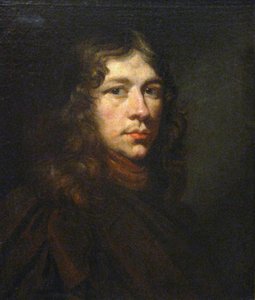
Johannes Hevelius, Astronomer

Daniel II Schultz's 'Johannes Hevelius, Astronomer' portrays Johannes Hevelius holding a celestial globe, symbolizing his passion for astronomy and representing Poland's contribution to scientific advancement. Painted in 1648, this oil on canvas exemplifies Baroque artistry.

Daniel II Schultz (1615-1683): Leading Baroque painter of the Polish–Lithuanian Commonwealth, famed for royal & noble portraits, hunts, and animal paintings. Influenced by Rembrandt.

手描き油彩複製画

当社のアーティストが、お客様のご希望のサイズと額縁に合わせて、キャンバスに手描きで制作する油彩画です。 (プリントを購入 プリントを購入画像を購入 画像を購入)

P118B $10
P118H $10
P118W $10
P438Z $10
P508JH $12
P508YH $12
P805H $10
P805Z $10
P919BZ $10
P919G $10
P919XJ $10
P959ZH $10
P968JZ $12
W106C $8
W218G $10
W218JH $8
W218Y $10
W307PJ $10
W316G $10
W316PJ $8
W316Y $10
W398PJ $8
W4111J $10
W500HY $15
W500JH $15
W692G $12
W849H $8
W940BG $15
W953PJ $8

Standard
custom
CM
INCH

作品のオリジナル比率に合わせた、当店の規定サイズからお選びください。

高さ

特定のフレームやスペースに合わせて、ご希望のサイズをご入力いただけます。選択されたサイズが元の画像の比率と異なる場合、アートワークをトリミングするか、手描きで要素を追加して絵画を拡張いたします。デジタルモックアップ を制作し、制作開始前にご確認(承認)をいただきます。
画面上のプレビューは、実際のトリミングや拡張を正確に反映しているものではありません。最終的な構図は、モックアップによってのみ正確にご確認いただけます。
カスタムサイズもご利用いただけますが、元の比率を維持するためには、あらかじめ用意されたリストからサイズを選択することをお勧めいたします。

カスタマイズの例:顔をお客様の写真に置き換える、ペットを追加する(例:猫を犬に変更)、背景に隠れたメッセージを入れる、背景の風景や要素を変更するなど。
ご注文後、OriginalUniqueArt.com チームより詳細な指示をお送りするとともに、仕上がりイメージ(モックアップ)をご提供いたします。

世界中への配送()は、通常の5週間ではなく、3〜4週間でお届けいたします。(21 8月)。品質には一切妥協いたしません。

why_choose_icon
世界中へ無料エクスプレス配送
why_choose_icon
高品質なリネンキャンバス
why_choose_icon
配送時完全保険付
why_choose_icon
関税・輸入税の払い戻し保証
why_choose_icon
忠実な色彩再現保証
why_choose_icon
60日間返品保証(製造上の欠陥のみ)
why_choose_icon
100% 全額返金保証
why_choose_icon
まとめ買い割引のご案内

合計金額

$ 300

reproduction

Johannes Hevelius, Astronomer

複製技法

複製画のサイズ

-

合計金額

$ 300

作品解説

Introduction

Daniel II Schultz was a German painter who lived in the 17th century. He is known for his portraits and historical paintings, which often depict important figures from Polish history. One of his most famous works is the painting 'Johannes Hevelius, Astronomer', which is part of the collection of the National Museum in Warsaw, Poland.

The Artist

Daniel II Schultz was born in Elbląg, Poland, in 1615. He received his artistic education in Danzig (now Gdańsk) and later traveled to Italy, where he studied the works of Italian masters. In 1648, he returned to Poland and settled in Warsaw, where he became a court painter for King John II Casimir Vasa. Schultz's style is characterized by his use of bright colors and his ability to capture the personality of his subjects.

The Painting

Johannes Hevelius, Astronomer is a portrait of Johannes Hevelius, a Polish astronomer who lived in the 17th century. The painting depicts Hevelius holding a celestial globe and looking up at the stars. It is a testament to Hevelius's contributions to astronomy and his passion for the night sky. The painting is an oil on canvas and measures 125 x 97 cm. It is part of the collection of the National Museum in Warsaw, Poland, which has over 800,000 works of art, including paintings, sculptures, and decorative arts. The museum's collection includes works by many famous artists, such as Rembrandt, Leonardo da Vinci, and Raphael.

The Significance of the Painting

Johannes Hevelius, Astronomer is an important work of art because it highlights the contributions of Johannes Hevelius to astronomy. Hevelius was a pioneer in the field of observational astronomy and made many important discoveries, including the discovery of several galaxies and the observation of the phases of Venus. The painting is also significant because it shows the importance of science and learning in 17th-century Poland. During this time, Poland was a center of scientific and cultural activity, and many Polish scientists and scholars made important contributions to their fields.

Conclusion

Johannes Hevelius, Astronomer is a beautiful and significant work of art that highlights the contributions of Johannes Hevelius to astronomy and the importance of science and learning in 17th-century Poland. The painting is part of the collection of the National Museum in Warsaw, Poland, which has over 800,000 works of art, including paintings, sculptures, and decorative arts. If you are interested in purchasing a hand-made oil painting reproduction of Johannes Hevelius, Astronomer, please visit our website at . We offer high-quality reproductions of famous works of art, including paintings by Daniel II Schultz and other famous artists.

アーティストの略歴

A Life Immersed in Baroque Splendor

Daniel II Schultz, a name resonating through the annals of Polish Baroque art, was born around 1615 in Gdańsk, a vibrant port city then part of Polish Prussia. Though known by several variations – Jerzy Daniel Schultz, Georg Daniel Schultz, and simply as Daniel Schultz the Younger – his artistic legacy remains unified by an exceptional talent for portraiture and a keen eye for capturing the grandeur of his era. His journey began within the workshop of his uncle, Daniel Schultz the Elder, where he honed foundational skills for approximately five years. This familial apprenticeship provided a crucial springboard, but young Daniel’s ambition extended beyond local boundaries. Following his uncle's passing, he embarked on an enriching period of study in France and the Netherlands from 1646 to 1649, immersing himself in the diverse artistic currents shaping Western Europe. These travels were transformative, exposing him to techniques and styles that would later infuse his own distinctive approach.

At the Heart of Royal Patronage

Schultz’s ascent was swift and assured. By 1649, he had secured a coveted position as a private painter to King John II Casimir Vasa, marking the beginning of a long and fruitful relationship with the Polish court. This patronage continued under subsequent monarchs Michael Wiśniowiecki and John III Sobieski, solidifying Schultz’s role as *the* leading artist within Warsaw's royal circles. Around 1660, he returned to Gdańsk, yet maintained strong ties to the court, frequently undertaking commissions in Warsaw, particularly at the magnificent Wilanów Palace. This duality – a rootedness in his hometown combined with consistent engagement with royal projects – defined much of his career. He wasn’t merely a painter *of* the nobility; he was intimately woven into the fabric of their lives and power. His work became inextricably linked to the visual representation of Polish royalty and aristocracy during a pivotal period in the nation's history.

A Master of Baroque Expression

Schultz’s artistic style is deeply rooted in the Baroque aesthetic, characterized by rich color palettes, dramatic compositions, and an emphasis on portraying emotion and grandeur. He wasn’t simply replicating likenesses; he was crafting narratives through paint, imbuing his subjects with personality and psychological depth. The influence of masters like Rembrandt is readily apparent, particularly in Schultz's masterful use of light and shadow – a technique known as chiaroscuro – to create dramatic effects and highlight the inner lives of his sitters. The king’s own passion for Dutch paintings also played a significant role in shaping Schultz’s artistic sensibilities. His oeuvre primarily consisted of portraits—of Polish nobility, members of the royal family, prominent Patricians like astronomer Johannes Hevelius—but also included depictions of animals and lively scenes of hunts. Among his most celebrated works are Crimean Falconer of King John II Casimir with his Family (c. 1664), a captivating depiction of Crimean Agha Dedesh and his family, commemorating a diplomatic exchange during wartime; the powerful propaganda portraits of King John II Casimir, showcasing him as a military leader; and the evocative Bielany Portrait, with Kraków burning dramatically in the background. Other notable pieces include the sadly missing *Saint Casimir*, originally intended for the abdicating king and displayed in Paris, and the poignant coffin portrait of John II Casimir, now residing at the Royal Castle in Warsaw as part of a collection honoring Polish monarchs.

Legacy and Enduring Influence

Daniel II Schultz stands as one of the most important Baroque painters in Poland, celebrated for his exceptional skill in portraiture and his ability to capture the essence of an era. His portraits offer invaluable insights into the appearance, status, and personalities of Polish royalty and nobility during a time of significant political and social change. His works are now preserved in prestigious institutions worldwide – from the Wawel Castle State Art Collections and the National Museum in Warsaw to the Stockholm National Museum, the Hermitage Museum, and the Gdańsk National Museum—testifying to his enduring artistic merit. Furthermore, Schultz’s influence extended beyond his own brushstrokes; he collaborated with engraver Jeremias Falck, who created numerous prints based on Schultz's paintings, effectively disseminating his artistic vision to a wider audience. He left behind not just a body of stunning artwork but also a legacy that continues to inspire and inform our understanding of 17th-century Polish art and culture. His name remains synonymous with the Baroque splendor of the Polish–Lithuanian Commonwealth.
Daniel II Schultz

Daniel II Schultz

1615 - 1683 , Poland

基本情報

  • Artistic Movement Or Style: Baroque
  • Artists Who Influenced This Artist:
    • Rembrandt
    • Philippe de Champaigne
  • Date Of Birth: c. 1615
  • Date Of Death: 1683
  • Full Name: Daniel II Schultz
  • Nationality: Polish-Lithuanian
  • Notable Artworks:
    • Crimean Falconer
    • Bielany Portrait
    • Saint Casimir
    • Coffin Portrait
  • Place Of Birth: Gdańsk, Poland