
 プレビュー
プレビュー
 シェアする
シェアする シェアする
シェアする
 詳細を見る
詳細を見る

 ダウンロード
 似ている作品
 X線調査
X線調査 スライドショー
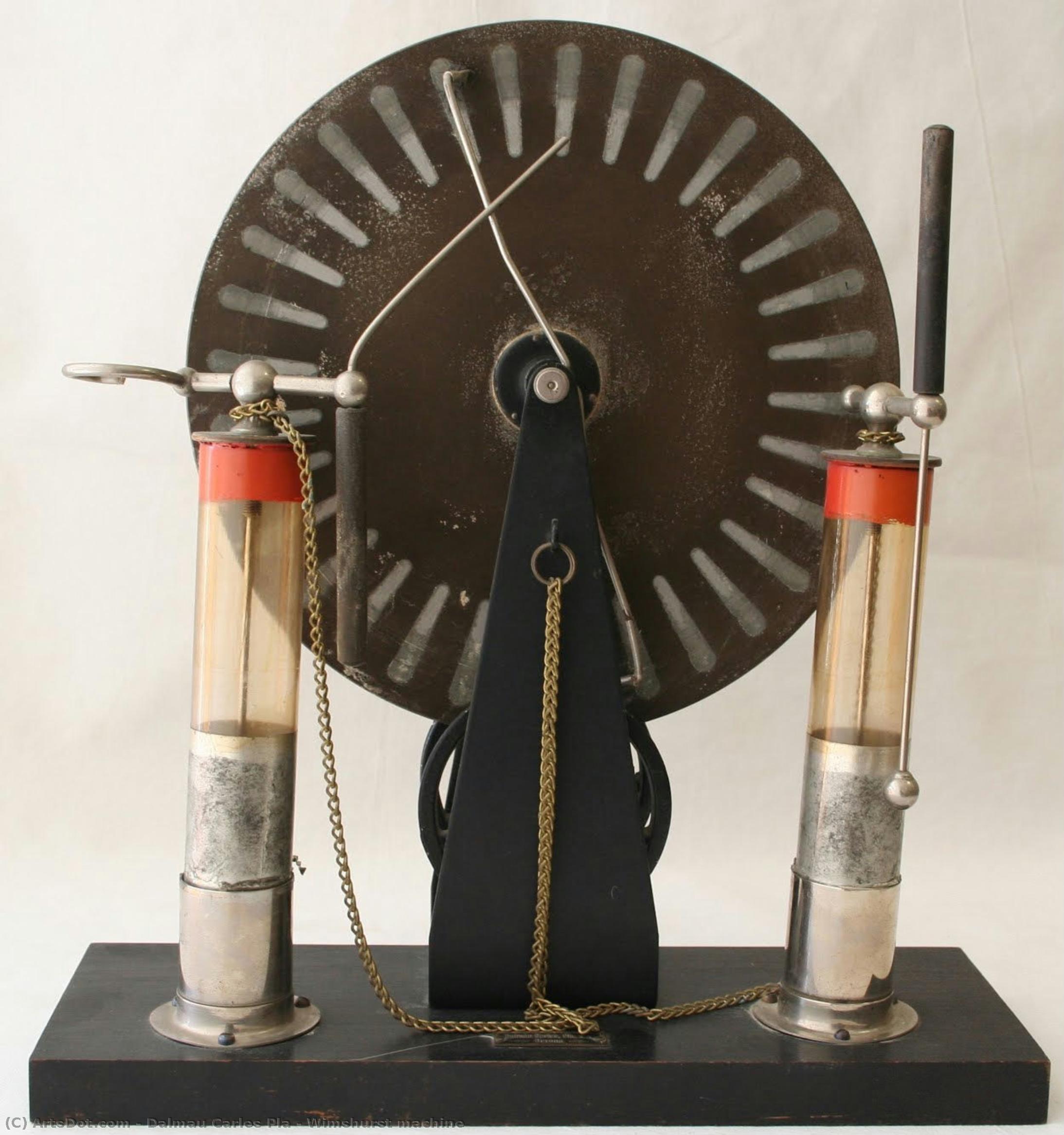
Wimshurst machine
 5.0 x 17.0 cm
 Museo Pedagógico de Aragón
 詳細を見る
詳細を見る
ジークレー/アートプリント
迅速な制作と多彩な仕上げオプションを備えた、ミュージアムクオリティのジークレーまたはキャンバスプリント。 ( 手描き画への切り替え 画像に切り替え)




































作品のオリジナル比率に合わせた、当店の規定サイズからお選びください。

特定のフレームやスペースに合わせて、ご自身でサイズを指定することも可能です。選択されたサイズが元の画像の比率と一致しない場合、作品をトリミングするか、鏡面反射または単色での塗りつぶしによって画像を拡張いたします。制作を開始する前に、ご確認用のデジタルモックアップをお送りいたします。
画面上のプレビューには、実際のトリミングや拡張は反映されませんのでご注意ください。最終的な構図を正確に確認できるのは、モックアップのみとなります。
カスタムサイズも承っておりますが、元の比率を維持するためには、あらかじめ用意されたリストからサイズを選択することをお勧めいたします。


 ガラスオプションは、110cm未満のサイズでのみご利用いただけます。

Wimshurst machine
ジークレー/アートプリント
複製画のサイズ
-


合計金額
$ 81
作品詳細説明
アーティストの略歴
Salvador Dalí: A Surrealist Visionary
Born in Figueres, Catalonia, Spain, on May 11, 1904, Salvador Dalí was more than just a painter; he was a provocateur, an iconoclast, and arguably the most recognizable figure of the Surrealist movement. His life, marked by eccentricity, meticulous technique, and a profound fascination with the subconscious, continues to captivate audiences nearly a century after his death in 1989. From humble beginnings—the son of a notary and a devout Catholic—Dalí’s artistic journey was shaped by a complex interplay of influences, including the Renaissance masters, Cubism, and, crucially, Sigmund Freud's theories on psychoanalysis.
Early education at the Real Academia de Bellas Artes de San Fernando in Madrid provided Dalí with a formal grounding in classical art. However, it was his encounter with the avant-garde movements of the time, particularly Cubism’s fragmentation of form and Surrealism's exploration of dreams and irrationality, that truly ignited his creative spirit. He quickly embraced the latter, joining the group in 1929 and becoming a key figure in its dissemination. This shift wasn’t merely stylistic; it represented a deliberate rejection of rational thought and an embrace of the hidden depths of the human psyche.
The Development of a Unique Style
Dalí's artistic style is instantly recognizable, characterized by meticulous detail, hyperrealism, and a dreamlike quality. He wasn’t interested in simply depicting reality; he sought to translate the illogical world of dreams into tangible form. His paintings are populated with bizarre juxtapositions—melting clocks, elongated figures, ants crawling on melting cheese – all rendered with astonishing precision. This meticulousness was not born of a desire for photographic accuracy but rather a deliberate attempt to capture the fleeting and unstable nature of subconscious imagery.
Influenced by Freud’s work on dream interpretation, Dalí developed his own personal iconography—the double images, the melting forms, the ants representing decay, and the eggs symbolizing birth. These recurring motifs became integral to his artistic language, allowing him to explore themes of mortality, desire, anxiety, and the irrationality of human experience. His famous “persistence of memory,” for example, isn’t just a depiction of time; it's a visual representation of the subjective nature of time itself, as experienced within the realm of dreams.
Major Works and Surrealist Connections
Dalí’s most celebrated work, *The Persistence of Memory* (1931), cemented his place in art history. The drooping clocks, draped over a barren landscape, immediately became an iconic symbol of surrealism—a visual representation of the fluidity of time and the subjective nature of reality. Other significant works include *Swans Reflecting Elephants* (1937), a complex double image that exemplifies his technique of creating multiple meanings within a single composition; *Galatea of the Spheres* (1952), a celebration of beauty and mathematical precision; and *Christ of Saint John of the Cross* (1951), a powerful meditation on faith and suffering.
Dalí’s involvement with Surrealism extended beyond his paintings. He collaborated with Luis Buñuel on several films, most notably *Un Chien Andalou* (1929) and *L'Age d'Or* (1930), which pushed the boundaries of cinematic expression and challenged conventional narrative structures. These collaborations further solidified his reputation as a visionary artist who refused to be confined by traditional artistic conventions.
Legacy and Historical Significance
Salvador Dalí’s impact on 20th-century art is undeniable. He not only helped to popularize Surrealism but also influenced countless artists across various disciplines—film, fashion, advertising, and design. His distinctive style, characterized by its meticulous detail and dreamlike imagery, continues to resonate with audiences today. Dalí’s work serves as a potent reminder of the power of the subconscious mind and the importance of exploring the irrational aspects of human experience.
Beyond his artistic achievements, Dalí's flamboyant personality and provocative behavior ensured that he remained a constant source of fascination for the media and the public. He was a master of self-promotion, cultivating an image as both genius and eccentric—a duality that contributed significantly to his enduring legacy. Salvador Dalí remains one of the most recognizable and influential artists of the 20th century, a true pioneer in the realm of Surrealism.

dalmau carles pla
1904 - 1983 , Spain
基本情報
- Artistic Movement Or Style: Surrealism
- Artists Or Movements Influenced By This Artist:
- Picasso
- Breguet
- Artists Who Influenced This Artist:
- Cubism
- Dada
- Impressionism
- Date Of Birth: May 11, 1904
- Date Of Death: January 23, 1989
- Full Name: Salvador Felipe Jacinto Dalí i Domènech
- Nationality: Spanish
- Notable Artworks:
- The Persistence of Memory
- Galatea of the Spheres
- Dream Caused by the Flight of a Bee
- Place Of Birth: Figueres, Catalonia, Spain

