

 設置イメージを確認
 送る
送る シェア
シェア
 詳細情報
詳細情報 ガイドを表示

 画像をダウンロード
 似ている作品
 X線調査
X線調査 スライドショー
 統計情報
統計情報Dutch Interior
 Acrylic On Canvas
- WallArt
- Surrealist Homage
 1962
1962 267.0 x 302.0 cm
 メトロポリタン美術館
 続きを読む
続きを読む
ジークレー/アートプリント
スピーディーな制作と多彩な仕上げオプションが魅力の、ミュージアムクオリティなジークレー・キャンバスプリント。 ( 手描きの複製画を注文する デジタル画像販売へ切り替え)




P118B $10

P118H $10

P118W $10

P438Z $10

P508JH $12

P508YH $12

P805H $10

P805Z $10

P919BZ $10

P919G $10

P919XJ $10

P959ZH $10

P968JZ $12

W106C $8

W218G $10

W218JH $8

W218Y $10

W307PJ $10

W316G $10

W316PJ $8

W316Y $10

W398PJ $8

W4111J $10

W500HY $15

W500JH $15

W692G $12

W849H $8

W940BG $15

W953PJ $8




作品のオリジナル比率に合わせた、当店の規定サイズからお選びください。

特定のフレームやスペースに合わせて、ご自身でサイズを指定することも可能です。選択されたサイズが元の画像の比率と一致しない場合、作品をトリミングするか、鏡面反射または単色での塗りつぶしによって画像を拡張いたします。制作を開始する前に、ご確認用のデジタルモックアップをお送りいたします。
画面上のプレビューには、実際のトリミングや拡張は反映されませんのでご注意ください。最終的な構図を正確に確認できるのは、モックアップのみとなります。
カスタムサイズも承っておりますが、元の比率を維持するためには、あらかじめ用意されたリストからサイズを選択することをお勧めいたします。


 ガラスオプションは、110cm未満のサイズでのみご利用いただけます。

Dutch Interior
ジークレー/アートプリント
複製画サイズ一覧
-


合計金額
$ 80
A Roman Echo: The Genesis of Dutch Interior
Cy Twombly's 1962 painting, *Dutch Interior*, isn’t merely a depiction of a room; it’s an immersive experience, a layered meditation on the act of creation itself. Emerging from a spacious studio in central Rome—a space that liberated him from the constraints of smaller formats—Twombly embarked on a work that immediately challenged conventional notions of representation. The painting’s genesis is inextricably linked to this new environment; it feels less like a finished product and more like an ongoing, almost frantic, dialogue with the ancient walls of the Eternal City – a conversation etched in layers of graphite, wax crayon, and oil paint.
The title itself—a deliberate homage to the Dutch Golden Age—immediately establishes a historical framework. Twombly wasn’t simply replicating a scene; he was engaging with the spirit of seventeenth-century Dutch interior paintings, those meticulously rendered depictions of domestic life that captured a specific cultural sensibility. However, this engagement is far from straightforward imitation. Instead, it's a complex negotiation, a playful subversion of established conventions. The painting becomes a palimpsest—a layered text where the echoes of Vermeer and Rembrandt mingle with Twombly’s own unique visual language.
The Language of Scribble: Technique and Process
What immediately strikes the viewer is the apparent chaos – the accumulation of seemingly disparate marks. Scribbles, smears, hastily scrawled numbers, and biomorphic forms coalesce on the canvas, creating a surface that resists easy interpretation. This isn’t the product of a single, deliberate act; rather, it suggests multiple hands at work, a collective energy channeled through Twombly's brush. The technique is deliberately raw and unrefined – a rejection of polished surfaces in favor of an immediate, visceral impact.
Twombly’s masterful use of media further complicates the narrative. Pencil provides a skeletal framework, wax crayon introduces a tactile warmth, and oil paint adds depth and luminosity. The layering is crucial; each medium interacts with the others, creating subtle shifts in texture and tone. The artist frequently incorporated his own physical presence into the work – fingerprints, smudges, even what appear to be handprints—transforming the canvas into a record of his creative process, a tangible manifestation of his engagement with the artwork.
Symbolism and the Fragmented Self
Beyond the purely visual, *Dutch Interior* is rich in symbolic resonance. The inclusion of clocks, chairs, and vases—familiar objects from a domestic setting—only serves to heighten the sense of unease and disorientation. These elements are not rendered with precision or detail; instead, they’re fragmented, distorted, and imbued with an unsettling ambiguity. The numbers scrawled across the canvas – often in a vertical arrangement – add another layer of complexity, hinting at both order and chaos.
Furthermore, Twombly's frequent references to his own body—the fingerprints, handprints—suggest a profound sense of self-awareness. The painting becomes a meditation on identity, on the act of representation, and on the elusive nature of the creative process. It’s as if Twombly is grappling with his own presence within the artwork, attempting to capture not just an image but also the very essence of his being.
A Legacy of Ambiguity: Emotional Impact
Ultimately, *Dutch Interior* resists easy categorization or definitive interpretation. It’s a painting that demands engagement, inviting viewers to lose themselves in its layers of complexity and ambiguity. The work possesses a haunting beauty—a sense of melancholy and introspection—that lingers long after the initial viewing. It's a testament to Twombly's ability to create art that is both deeply personal and universally resonant, a powerful reminder of the enduring mysteries of human experience.
アーティストについて
人生の線と色彩に刻まれた軌跡
エドウィン・パーカー・トゥンブリー・ジュニア、通称サイ・トゥンブリーは、20世紀後半から21世紀にかけてのアート界において特異な存在感を示したアメリカ人画家、彫刻家、写真家です。彼の作品は容易に分類されることを拒み、独自の芸術世界を築き上げました。1928年4月25日、バージニア州レキシントンで生まれ、古典教育を基盤としつつも、飽くなき探求心によって大陸を渡り歩く生涯を送ります。ワシントン・アンド・リー大学でのピエール・ドーラ教授による初期の研鑽の後、ニューヨークのアート・スチューデンツ・リーグやブラック・マウンテン・カレッジで学び、ロバート・ラウシェンバーグ、ジョン・ケージ、マーサ・ Cunninghamといった革新的な人物たちと出会います。これらの邂逅は、実験性と学際的な探求の環境を育み、彼の芸術的ビジョンに深遠な影響を与えました。しかし、1952年にバージニア美術館からの助成金を得てラウシェンバーグと共にイタリアと北アフリカへ旅立ったことが、決定的に彼の美学を形成する転換点となります。古代遺跡、鮮やかな文化、そして歴史の重みに浸る中で、トゥンブリーは数十年にわたって彼のアートを特徴づけるインスピレーションの源泉を発見しました。様式進化の軌跡
トゥンブリーの芸術様式は一朝一夕に確立されたものではなく、一連の探求と洗練を経て発展していきました。初期作品である『北アフリカ・スケッチブック』(1953年)には、すでに彼の抽象的な形態と詩的な参照のユニークな融合が垣間見られます。これらは単なる旅行日記ではなく、場所の本質—光、質感、記憶の蒸留—を探求する試みでした。1960年代を通じて、トゥンブリーのスタイルは、広大なキャンバスに描かれた落書きのような線、ジェスチャー的な痕跡、断片化された言葉という独特な語彙を中心に凝縮されていきました。『フェラゴスト』シリーズ(1961年)や『イタリア人たち』(1961年)はその時代を代表する作品であり、書道と混沌の間を行き来し、古代の碑文とグラフィティの即時性を同時に喚起します。彼は現実の再現に興味はなく、むしろ感情、記憶、時間の経過といった感覚をとらえようとしました。このアプローチは従来の絵画概念に挑戦し、表現主義的な傾向から主観的で感情的に共鳴する表現形式へと移行していきました。Cold Stream*(1966年)は、渦巻くループと大胆なテキストが特徴的であり、この喚起的な様式の強力な例です。影響と芸術的系譜
トゥンブリーは独立心が強く、孤高の存在でしたが、彼の作品が真空の中で生まれたわけではありません。彼はジャン・デュビュフェやアルベルト・ジャコメッティといった多様な源泉からインスピレーションを得ており、ステファン・マラルメ、ライナー・マリア・リルケ、ジョン・キーツといった詩人たちの感性にも影響を受けました。古典神話と歴史も重要な役割を果たし、彼に探求するための豊かなテーマとシンボルのタペストリーを提供しました。彼の絵画はしばしば古代の物語を暗示しており、断片化されたストーリーや伝説を微妙に織り交ぜています。トゥンブリーが後世のアーティストに与えた影響は否定できません。彼はジャン=ミシェル・バスキア、アンゼルム・キーファー、フランチェスコ・クレメンテ、ジュリアン・シュナーベルといった画家たちへの道を開き、彼らは同様の実験精神と感情的な強度を受け入れました。伝統的な境界線を打ち破り、表現の新しい形を探求する彼の姿勢は、ステータス・クォーに挑戦しようとするアーティストたちの間で深く共鳴しました。彼は絵画が単なる再現以上のもの—複雑な感情、アイデア、経験を伝える手段となり得ることを示しました。主要な業績と永続的な遺産
トゥンブリーはキャリアを通じて数々の栄誉を受け、2001年にはヴェネツィア・ビエンナーレで金獅子賞を受賞し、2010年にはレジオン・ドヌール勲章のシュヴァリエに任命されました。彼の作品は世界中の主要な美術館のコレクションに収蔵されており、ヒューストンのメニル・コレクション、ロンドンのテート・モダン、ニューヨーク近代美術館などが含まれます。特に重要な業績としては、パリのルーブル美術館のために天井画を制作したことが挙げられます—これは彼の国際的な認知と芸術的地位を示す証です。Three studies from the Temeraire*(1998-99年)は、現在ニューサウスウェールズ州立美術館に所蔵されており、彼の晩年の様式—繊細でありながら力強い大規模作品—を例示しています。トゥンブリーの難解なスタイルは、今もなおアート愛好家や研究家の心を魅了し続けています。彼の絵画は鑑賞者に対話を促し、塗料と落書きのような線の中に隠された意味を解読することを求めています。彼は2011年7月5日に癌との長い闘いの末にローマで亡くなり、今後何世代にもわたってアーティストたちにインスピレーションを与え続ける遺産を残しました。サンタ・マリア・イン・ヴァッリチェッラの銘板は、彼がアートの世界に貢献した深遠な功績を記念する永遠のモニュメントとなっています。トゥンブリーの世界を探求する
サイ・トゥンブリーの作品は、人間の経験の複雑さを熟考するための招待状です—記憶、歴史、感情の領域へと深く踏み込むことを促します。彼の絵画は単に賞賛されるべき対象ではなく、別の世界へのポータル—線が踊り、言葉がささやき、感情が形を成す世界—なのです。Untitled (Peony Blossom Painting)*の鮮やかなエネルギーであろうと、*Proteus*の喚起的な抽象性であろうと、それぞれの作品はアーティストの内なる風景を垣間見せてくれます。彼の影響は絵画を超え、彫刻や写真にも及んでいます。トゥンブリーの天才を真に理解するためには、彼の線の流動性、色彩の豊かさ、そして詩的なビジョンの深さに身を委ねる必要があります。- OriginalUniqueArtでサイ・トゥンブリーのアートワークを探求する
- Wikipediaでサイ・トゥンブリーについてもっと読む
- ルーブル美術館のコレクションを発見する、OriginalUniqueArt: ルーブル美術館。

サイ・トゥーブルリー
1928 - 2011 , アメリカ合衆国
アーティスト情報
- Artistic Movement Or Style: 抽象表現主義、ポストモダン
- Artists Or Movements Influenced By This Artist:
- ジャン=ミシェル・バスキア
- アンセルム・キーファー
- フランチェスコ・クレメンテ
- ジュリアン・シュナーベル
- Artists Who Influenced This Artist:
- ピエール・ドーラ
- ジャン・デュブフェ
- アルベルト・ジャコメッティ
- Date Of Birth: 1928年4月25日
- Date Of Death: 2011年7月5日
- Full Name: エドウィン・パーカー・トゥンブリー・ジュニア
- Nationality: アメリカ人
- Notable Artworks:
- 三昧れのテメライル研究
- アポロと芸術家
- コールドストリーム
- プロテウス
- 無題(ピオニーの花)
- Place Of Birth (City And Country): バージニア州レキシントン、アメリカ
関連記事

Kandinsky's Masterpieces: 25 Paintings That Define Abstract Art | OriginalUniqueArt
Journey through Wassily Kandinsky's 25 most iconic abstract paintings. Explore his revolutionary use of color, form & spiritual expressionism. Find museum-quality Kandinsky reproductions and elevate your home decor with OriginalUniqueArt.com. Discover all masterpieces on OriginalUniqueArt.com!

抽象表現主義を定義する十大傑作:芸術と装飾の深遠な旅
抽象表現主義を定義する10の傑作。ポロック、ロスコら巨匠たちの情熱と色彩の世界へ。各作品に込められた物語と技法を紐解き、至高のアート体験を。OriginalUniqueArt.comで、ミュージアムクオリティの複製画や洗練されたインテリアアイデアを発見してください。
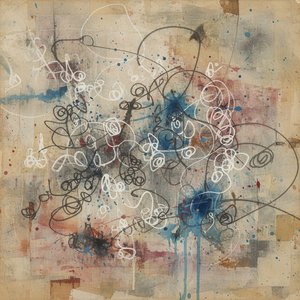
Cy Twombly: Scribbles of Emotion – Deconstructing Post-War Expressionism Through Calligraphy & Abstraction
Explore the captivating world of Cy Twombly with OriginalUniqueArt. Discover the emotional depth & artistic significance behind his abstract calligraphy. Expert insights for collectors.

Unlocking Contemporary Abstraction: A Designer's Guide to Curating Emotion and Color for Modern Interiors
Master the art of decorating with contemporary abstraction. Our expert guide for designers explores how to use color, geometry, and emotion to transform modern interiors into soulful, curated spaces through professional art selection and placement strategies.
古典と現代の調和:大胆な抽象芸術がクラシックインテリアに与える影響
抽象表現主義がクラシックインテリアに与える影響を解説。色彩心理学や空間への効果、著名なアーティストの作品を紹介します。OriginalUniqueArt.comで理想のアートピースを見つけ、洗練された空間を実現しましょう。