
 設置イメージを表示
 シェアする
シェアする シェアする
シェアする
 詳細を見る
詳細を見る ガイドを表示

 ダウンロード
 似ている作品
 X線調査
X線調査 スライドショーを表示
 Q&A
Q&A 統計情報
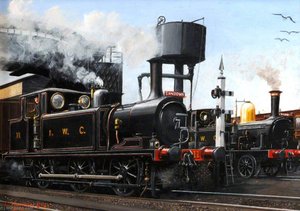
統計情報'Ventnor'

- 25.0 x 37.0 cm
 詳細を表示
詳細を表示
ウェブ上のプレビューを遥かに凌駕する、印刷に最適なファイルをご提供します。当サイトで販売しているすべてのデジタル画像は、弊社のデータベース内にある高解像度のマスターデータ(通常、幅5,000〜15,000ピクセル)から作成されています。そのため、大判印刷や大胆なクロップ、細部まで緻密な再現も、安心してお楽しみいただけます。
当スタジオから送り出される画像は、すべて丁寧に加工されています。デジタルエキスパートが原画と照らし合わせて色調を精査し、必要に応じて補正を行った上で、プロ仕様のリタッチツールを用いて鮮明さと細部を向上させます。その際、アーティストの筆致やスタイルに忠実であることを常に追求しています。その結果、単なるスキャン画像にフィルターをかけたようなものではなく、まるで本物の絵画を見ているかのような仕上がりを実現しています。
仕上がりをご確認いただいてから完了となります。専門スタッフが、ご確認用の画像を72時間以内にメールでお送りいたします。もしご満足いただけない場合は、修正や改善のご要望を承るほか、品質が基準に満たない場合には返金も可能です。
出版社、デザインスタジオ、ギャラリー、そして印刷所から信頼される品質です。
デジタルアート
個人での鑑賞、印刷、クリエイティブなプロジェクトにご利用いただける高解像度ファイルをダウンロードできます。 ( プリント版に切り替え 手描き複製画を注文する)
デジタル画像のご注文に付随する特典
確かな品質による、プロフェッショナルなデジタル配信
OriginalUniqueArt.com を選ぶことは、単に画像を手に入れることではありません。プロの手によって精密に仕上げられ、満足保証が付いた高品質なデジタルアートワークを受け取ることを意味します。ご注文いただいた際に自動的に付随する内容は、以下の通りです:

メールですぐにお届け
ご注文から72時間以内に、高解像度のデジタル画像ファイルをメールでお送りいたします。お手元に届き次第、すぐにご利用いただけます。

AI技術で最適化されたデジタルファイル
お客様の作品は、高度なAI技術と専門家による手作業を組み合わせてプロフェッショナルに最適化されており、細部のディテール、鮮明さ、そして正確な色再現性を最大限に引き出しています。

生涯無料の再送サービス
ファイルを誤って削除したり、紛失してしまったりしましたか?ご安心ください。いつでも無料で再送いたします。

輸入手数料は、いつでも一切かかりません
関税や手数料、配送料を気にすることなく、お気に入りのアートワークをすぐにお楽しみいただけます。デジタルダウンロードは常に免税です。

正確な色彩の保証
プロ仕様のツールとカラーマネジメント技術を用いることで、デジタル画像が元の色を最大限に忠実に再現することを保証いたします。

100日間満足保証
ご購入いただいたデジタル画像にご満足いただけない場合は、100日以内であれば、理由を問わず修正または100%の返金対応をさせていただきます。

100% 返金保証
ご満足いただけない場合は、デジタルファイルを受け取ってから100日以内であれば、理由を問わず全額返金いたします。

まとめ買い割引
3枚購入で10%OFF、5枚購入で15%OFF、10枚以上のご購入で20%OFF。クリエイティブなプロジェクトやギャラリー、エージェンシーに最適です。
作家略歴
The Visionary of Steam: The Life and Legacy of Cuthbert Hamilton Ellis
Cuthbert Hamilton Ellis, known affectionately to many as "Chip," was far more than a mere chronicler of locomotives; he was a poet of the industrial age. Born on June 29th, 1909, in Raynes Park, Surrey, his soul was irrevocably tethered to the rhythmic pulse of the railway from a tender age. His childhood memories of steam-powered journeys through the lush landscapes of Cornwall served as the foundational inspiration for a life dedicated to capturing the grandeur of the iron horse. This profound fascination would eventually blossom into a dual legacy as both a distinguished writer and a meticulous painter, making him one of the most significant figures in twentieth-century railway art.
His intellectual journey was marked by an eclectic blend of classical education and technical curiosity. Educated at the prestigious Westminster School, Ellis cultivated an appreciation for literature that would later inform his evocative prose, even as he developed a burgeoning interest in the mechanics of engineering. Although his time at Munich and Exeter College, Oxford, provided him with a broader academic horizon, he famously found the traditional rigors of Oxford somewhat unrewarding, a realization that perhaps liberated him to pursue a more visceral, hands-on engagement with the world of steam and steel.
A Literary Journey Through Iron and Ink
Before his brushstrokes became widely celebrated, Ellis established himself as a formidable voice in railway journalism. His literary career began remarkably early, in 1922, when he joined the staff of Country Life. This period was crucial for honing his descriptive powers and building deep connections within the tight-knit community of railway enthusiasts and engineers. Through his work at publications such as Railway Gazette and Modern Transport, he became a respected commentator on industrial progress, possessing a rare ability to translate complex locomotive designs into narratives that resonated with both experts and laypeople alike.
The depth of his literary contribution is evidenced by the staggering output of thirty-six books, many of which remain essential reading for historians of the era. His debut novel, The Engineer-Corporal, published in 1939, showcased his ability to weave technical precision with human drama. Perhaps his most enduring literary achievement, The Trains we Loved, serves as a nostalgic and deeply moving tribute to a vanishing way of life. Even during the shadows of World War II, Ellis’s life took on cinematic proportions; while working under the guise of a journalist in Switzerland for Modern Transport, he was reportedly involved in clandestine operations for MI6, adding an element of high-stakes intrigue to his already storied biography.
The Artistry of Realism and Nostalgia
As an artist, Ellis’s style was defined by a profound commitment to realism, tempered by a lyrical sensibility that captured the romantic essence of the steam era. His paintings were not merely technical diagrams of engines; they were atmospheric studies of light, motion, and the interplay between man-made marvels and the natural world. Whether depicting the dramatic lighting of a locomotive at dusk or the quiet dignity of a train traversing the Kent countryside, his work possessed an unmistakable emotional resonance.
His technical mastery allowed him to render the heavy, metallic textures of locomotives with startling accuracy, yet he never lost sight of the "soul" of the machine. His oeuvre often features:
- Detailed Realism: A meticulous attention to the mechanical intricacies of steam engines, from the gleam of polished brass to the swirling plumes of white vapor.
- Atmospheric Landscapes: The integration of industrial subjects into evocative settings, such as the evening light in Ventnor or the rolling hills of the South Eastern Railway routes.
- Industrial Nostalgia: A palpable sense of reverence for a bygone era, capturing the grandeur and the inevitable decline of the steam age.
Through his dual mastery of the pen and the brush, Cuthbert Hamilton Ellis ensured that the majesty of the steam locomotive would not fade into the obscurity of history. He remains a pivotal figure whose work serves as a bridge between the raw power of the industrial revolution and the tender nostalgia of the twentieth century, preserving the heartbeat of the railways for generations to come.
Cuthbert Hamilton Ellis
1909 - 1987
プロフィール概要
- Full Name: Cuthbert Hamilton Ellis
- Nationality: British
- Date Of Birth: 1909
- Date Of Death: 1987
- Place Of Birth: Raynes Park, Surrey
- Notable Artworks:
- No.6 'Ventnor Town'
- No.31, 'Chale'
- No.2 'Isle of Wight Central'
- Artistic Movement Or Style: Railway Art
- Artists Who Influenced This Artist:
- Gilbert Dunlop
- Ian C Allen
- Artists Or Movements Influenced By This Artist: ['Railway Art']