
 プレビュー
プレビュー
 プリントを購入
 シェアする
シェアする シェアする
シェアする
 詳細を見る
詳細を見る

 ダウンロード
 似ている作品
 X線調査
X線調査 スライドショー
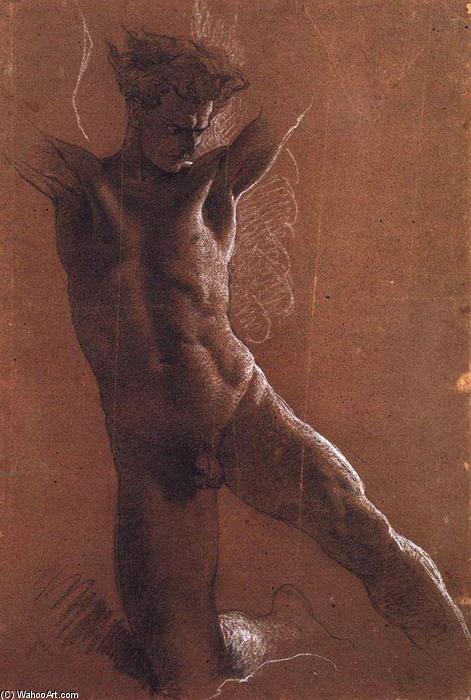
Demon
 1878
1878 865.0 x 575.0 cm
 ハンガリー国立美術館
 詳細を見る
詳細を見る




































作品のオリジナル比率に合わせた、当店の規定サイズからお選びください。

特定のフレームやスペースに合わせて、ご希望のサイズをご入力いただけます。選択されたサイズが元の画像の比率と異なる場合、アートワークをトリミングするか、手描きで要素を追加して絵画を拡張いたします。デジタルモックアップ を制作し、制作開始前にご確認(承認)をいただきます。
画面上のプレビューは、実際のトリミングや拡張を正確に反映しているものではありません。最終的な構図は、モックアップによってのみ正確にご確認いただけます。
カスタムサイズもご利用いただけますが、元の比率を維持するためには、あらかじめ用意されたリストからサイズを選択することをお勧めいたします。
ご注文後、OriginalUniqueArt.com チームより詳細な指示をお送りするとともに、仕上がりイメージ(モックアップ)をご提供いたします。


 ガラスオプションは、110cm未満のサイズでのみご利用いただけます。

Demon
複製技法
複製画のサイズ
-


合計金額
$ 300
アーティストの略歴
Mihály von Zichy: A Hungarian Romantic Visionary
Mihály von Zichy (1827 – 1906) stands as a pivotal figure in Hungarian romantic painting, embodying the spirit of his era with an unparalleled sensitivity to emotion and form. Born into a noble family in Zalaegrevár, Hungary, Zichy’s artistic journey began under the tutelage of Jakob Marastoni, fostering a foundational understanding of academic principles that would permeate his oeuvre. His formative years were marked by immersion in Viennese art circles, where he honed his skills alongside Waldmüller, establishing connections that proved invaluable throughout his career.- Early Influences: Zichy’s artistic sensibilities were profoundly shaped by the Romantic movement, characterized by an emphasis on imagination, emotion, and individualism – ideals reflected in landscapes imbued with dramatic lighting and expressive brushstrokes.
- Vienna Years & Waldmüller's Mentorship: Studying under Waldmüller solidified Zichy’s technique and broadened his artistic horizons. Waldmüller recognized Zichy’s talent and encouraged him to pursue teaching positions, notably in St. Petersburg, where he cultivated relationships with prominent intellectuals and artists of the time.
- St. Petersburg & Portraiture: His tenure in St. Petersburg witnessed a significant shift towards portraiture, driven by commissions from influential figures like Lajós Batthyány – a bold declaration of allegiance to Hungarian independence during the Austro-Hungarian Compromise of 1867. This portrait exemplifies Zichy’s meticulous attention to detail and psychological insight.
A Diverse Artistic Practice: From Retoucher to Painter & Illustrator
Beyond portraiture, Zichy cultivated a multifaceted artistic practice encompassing retouchership – a skill honed during his early years – watercolor painting, pencil drawings, and expansive oil canvases. His retoucher’s eye translated into an exceptional ability to capture subtle nuances of light and color, informing his painterly style. However, it was his erotic illustrations that garnered particular acclaim, distinguished by their palpable warmth and exploration of human intimacy—a stylistic hallmark reflecting Zichy's fascination with the complexities of relationships. These drawings stand apart as remarkably honest depictions of desire and companionship.- Illustrative Achievements: Zichy’s contribution to Hungarian art extended beyond painting into illustration, notably his ambitious undertaking for “The Knight in the Panther’s Skin,” a celebrated poem by Mihály Petőfi. He meticulously rendered 35 scenes from the poem, capturing its heroic spirit and lyrical beauty—a testament to his dedication and artistic vision.
- Royal Patronage & Artistic Recognition: The Tsar commissioned Zichy to depict Queen Elisabeth laying flowers before Ferenc Deák’s coffin – a poignant memorial commemorating Hungary's national hero. Furthermore, he achieved renown as a court artist thanks to his involvement in the Paris Exhibition of 1878 and was honored with numerous accolades for his artistic merit.
Notable Works & Artistic Legacy
Zichy’s oeuvre is marked by several iconic paintings that continue to resonate with audiences today. “Lifeboat,” executed in 1844, showcases Zichy's early mastery of Romantic landscape painting—characterized by dramatic atmospheric effects and idealized beauty. "Autodafé," painted in 1868, confronts viewers with the horrors of the Spanish Inquisition through a masterful use of chiaroscuro and symbolic imagery. His monumental “Drinking Bout” portrays Henry III with remarkable realism and psychological depth. And “The Victory of the Genius of Destruction,” banned by French authorities for its subversive anti-war sentiment, remains a powerful statement on artistic freedom and moral responsibility.A Lasting Impression: Zichy's Influence & Enduring Relevance
Mihály von Zichy’s legacy extends beyond his individual artworks; he established the Hungarian Artists’ Support Society, demonstrating unwavering compassion for fellow artists facing hardship—a noble gesture reflecting his humanist values. His artistic influence can be discerned in subsequent generations of Hungarian painters who embraced Romantic ideals and pursued expressive techniques. Today, Zichy's paintings are housed in museums across Hungary and beyond, ensuring that his visionary aesthetic continues to inspire admiration and scholarly study. He remains a cornerstone of Hungarian romanticism, an artist whose profound understanding of human emotion and artistic innovation cemented his place within the annals of art history.
count mihaly von zichy
1827 - 1906
基本情報
- Artistic Movement Or Style: Romanticism
- Artists Or Movements Influenced By This Artist: ['Romantic Painting']
- Artists Who Influenced This Artist: ['Waldmüller']
- Date Of Birth: 1827
- Date Of Death: 1906
- Full Name: Mihály von Zichy
- Nationality: Hungarian
- Notable Artworks:
- Lifeboat
- Portrait of Lajos Batthyány
- Autodafé
- Queen Elisabeth laying flowers by the coffin of Ferenc deák
- Drinking bout of Henry III
- Place Of Birth: Zalaegrevár, Hungary

