

 設置イメージを確認
 送る
送る シェア
シェア
 詳細情報
詳細情報 ガイドを表示

 画像をダウンロード
 似ている作品
 X線調査
X線調査 スライドショー
 統計情報
統計情報Lady Lucy Stuart
 Neoclassical
 1756
1756 74.0 x 61.0 cm
 Traquair House
 続きを読む
続きを読む
オンラインプレビューをはるかに凌ぐ、高解像度で鮮明なデジタル画像をご購入いただけます。
各ファイルは、社内の専門家が高度なツールと熟練した手作業によるレタッチを駆使し、細心の注意を払って仕上げています。すべての画像において、卓越した鮮明度、正確な色彩再現性、そして繊細なディテールをお約束いたします。
最終ファイルは、プロフェッショナルな編集・印刷環境ですぐにご利用いただけるよう最適化された状態で、72時間以内にメールにてお届けいたします。これは、一流のデザインスタジオ、出版社、ギャラリーから信頼されているものと同等の品質です。
デジタル画像
個人での鑑賞、印刷、クリエイティブなプロジェクトにご利用いただける高解像度ファイルをダウンロードできます。 ( プリント版に切り替え 手描きの複製画を注文する)
デジタル画像のご注文に付随する特典
プロフェッショナルなデジタル配信を、確かな品質で。
OriginalUniqueArt.com を選ぶことは、単に画像を手に入れることではありません。プロの手によって精密に仕上げられ、満足保証が付いた高品質なデジタルアートワークを受け取ることを意味します。ご注文いただいた際に自動的に付随する内容は、以下の通りです:

メールですぐにお届け
ご注文から72時間以内に、高解像度のデジタル画像ファイルをメールでお送りいたします。お手元に届き次第、すぐにご利用いただけます。

AI技術で最適化されたデジタルファイル
お客様の作品は、高度なAI技術と専門家による手作業を組み合わせてプロフェッショナルに最適化されており、細部のディテール、鮮明さ、そして正確な色再現性を最大限に引き出しています。

一生涯無料の再送サービス
ファイルを誤って削除したり、紛失してしまったりしましたか?ご安心ください。いつでも無料で再送いたします。

輸入手数料は、いつでも一切かかりません
関税や手数料、配送料を気にすることなく、お気に入りのアートワークをすぐにお楽しみいただけます。デジタルダウンロードは常に免税です。

正確な色彩の保証
プロ仕様のツールとカラーマネジメント技術を用いることで、デジタル画像が元の色を最大限に忠実に再現することを保証いたします。

100日間満足保証
ご購入いただいたデジタル画像にご満足いただけない場合は、100日以内であれば、理由を問わず修正または100%の返金対応をさせていただきます。

100% 返金保証
ご満足いただけない場合は、デジタルファイルを受け取ってから100日以内であれば、理由を問わず全額返金いたします。

まとめ買い割引
3枚購入で10%OFF、5枚購入で15%OFF、10枚以上のご購入で20%OFF。クリエイティブなプロジェクトやギャラリー、エージェンシーに最適です。
アーティスト・プロフィール
A Legacy of Portraiture and Pedagogy
The story of Cosmo Alexander is one of wandering brilliance and the profound influence of a master upon his pupil. Born in Scotland to the noted portrait painter John Alexander, Cosmo was destined for a life steeped in the traditions of fine art. Before his journey took him across the Atlantic, he refined his eye through extensive travels across Europe, documenting his presence in Italy between 1745 and 1751, including time in Rome. His artistic development continued in Holland, where he achieved professional recognition by joining the painters' guild at The Hague. These formative years in the great art centers of Europe provided him with a sophisticated foundation in classical techniques that would later define his work in the American colonies.
Though Alexander often referred to himself as a history painter, his enduring legacy resides in his mastery of the portrait. His style, which aligns closely with the Classical Realism later championed by John Singleton Copley, captured the essence of the Scottish community and the colonial elite with remarkable precision. As he moved through the American landscape between 1766 and 1772, his brush followed a path of significant historical importance. From the bustling streets of Philadelphia to the coastal elegance of Newport, Rhode Island, and even as far south as Charleston, South Carolina, Alexander sought to capture the likenesses of a burgeoning nation through a lens of European refinement.
The Teacher of a Master
Perhaps the most significant chapter in Alexander’s life was his role as a mentor. In Newport, Rhode Island, he encountered a young Gilbert Stuart, a meeting that would alter the course of American art history forever. Recognizing the potential in the fourteen-year-old, Alexander took Stuart on as an apprentice. This relationship was more than a mere professional arrangement; it was a passing of the torch from the Old World traditions to the New. The two traveled together through the colonies, eventually returning to Edinburgh in 1771, where the bond between master and student remained unbroken until Alexander’s sudden death.
Alexander's life was marked by both artistic triumph and personal hardship. Driven by financial debts that had forced him to leave London, he arrived in America with the hope of rebuilding his fortune through his craft. While his travels were frequent—visiting New York City, Boston, and Williamsburg—his ability to secure patrons remained a testament to his skill. In Burlington, New Jersey, he even resided within the governor's mansion, utilizing such high-profile connections to find sitters for his portraits. Though his life was cut short in Edinburgh, the impact of his work remains visible in the collections of prestigious institutions today.
- Key Artistic Contributions: Known for over twenty-five identified American portraits that showcase his skill in portraiture and historical genre painting.
- Notable Mentorship: Served as the primary teacher and mentor to the legendary American artist Gilbert Stuart.
- Geographic Reach: His career spanned Scotland, Italy, Holland, England, and various American colonies including New York, Pennsylvania, and Rhode Island.
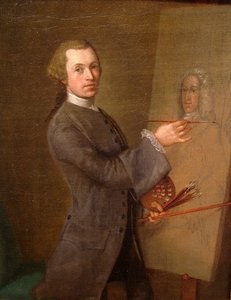
Cosmo Alexander
1724 - 1772