
 プレビュー
プレビュー
 シェアする
シェアする シェアする
シェアする
 詳細を見る
詳細を見る

 ダウンロード
 似ている作品
 X線調査
X線調査 スライドショー
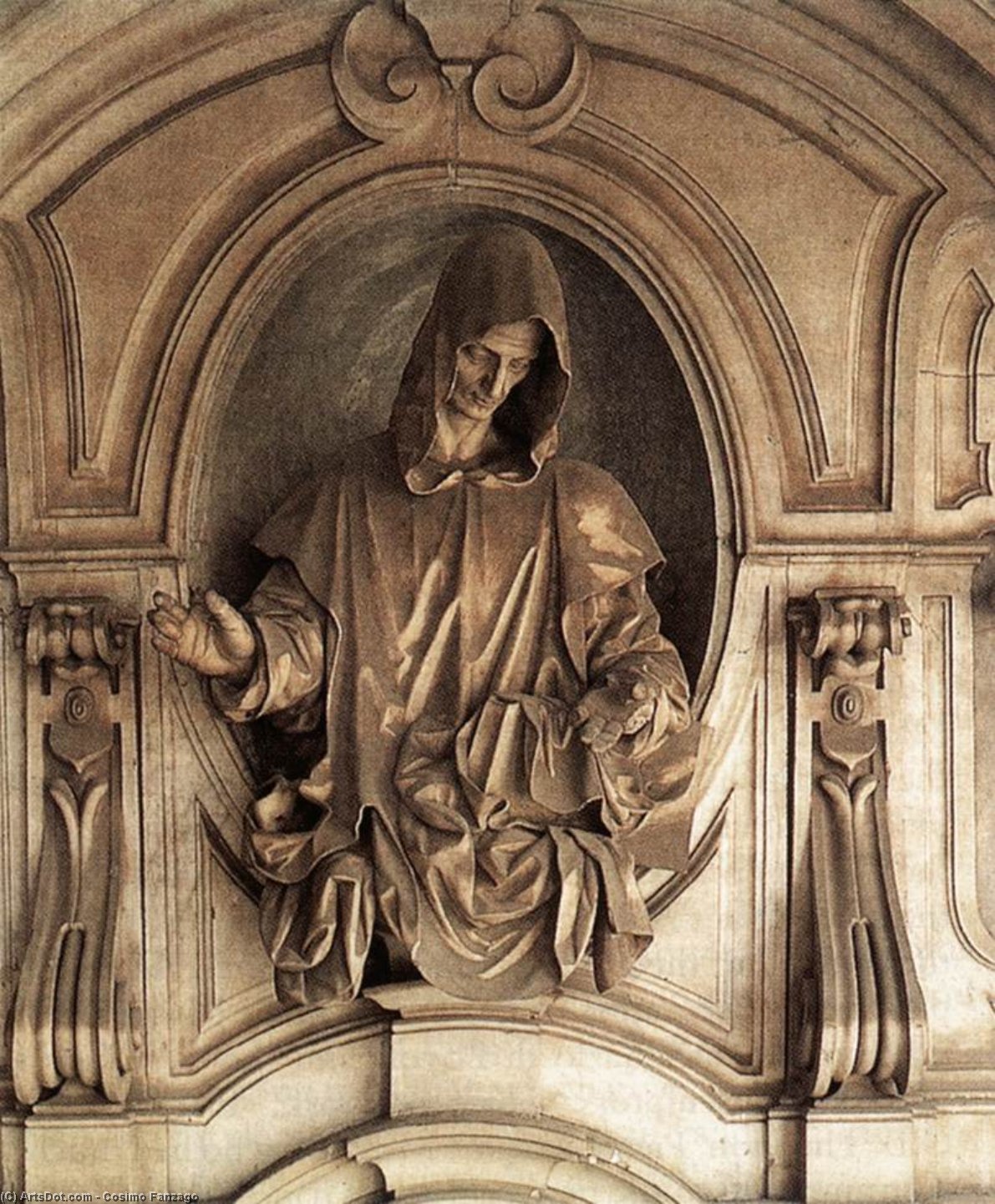
St Bruno


 詳細を見る
詳細を見る
ジークレー/アートプリント
迅速な制作と多彩な仕上げオプションを備えた、ミュージアムクオリティのジークレーまたはキャンバスプリント。 ( 手描き画への切り替え 画像に切り替え)




































作品のオリジナル比率に合わせた、当店の規定サイズからお選びください。

特定のフレームやスペースに合わせて、ご自身でサイズを指定することも可能です。選択されたサイズが元の画像の比率と一致しない場合、作品をトリミングするか、鏡面反射または単色での塗りつぶしによって画像を拡張いたします。制作を開始する前に、ご確認用のデジタルモックアップをお送りいたします。
画面上のプレビューには、実際のトリミングや拡張は反映されませんのでご注意ください。最終的な構図を正確に確認できるのは、モックアップのみとなります。
カスタムサイズも承っておりますが、元の比率を維持するためには、あらかじめ用意されたリストからサイズを選択することをお勧めいたします。


 ガラスオプションは、110cm未満のサイズでのみご利用いただけます。

St Bruno
ジークレー/アートプリント
複製画のサイズ
-


合計金額
$ 81
アーティストの略歴
Cosimo Fanzago: Life and Legacy
Early Life and Training
- Cosimo Fanzago was born in Clusone, Italy, in 1591. His family had a strong background in bronze-casting and architecture, providing an early foundation for his artistic pursuits.
- In 1608, he moved to Naples after a brief stay in Chieti, marking the beginning of his significant career in Southern Italy.
- Initially, Fanzago trained as a marble sculptor (*maestro di scultura di marmo*) under the Tuscan sculptor Angelo Landi, gaining essential skills in stonework and design.
Artistic Development and Influences
- Fanzago’s early work included sculptural decorations for Neapolitan churches and chapels, such as the sepulchre monument of Mario Carafa.
- He later became an assistant to Giovanni Giacomo di Conforto, a leading architect in Naples, broadening his architectural expertise.
- His style was profoundly influenced by Baroque masters like Gian Lorenzo Bernini and Francesco Borromini, evident in the dynamic forms and elaborate ornamentation of his designs.
Major Achievements and Notable Works
- One of Fanzago’s first independent architectural projects was the design of San Giuseppe dei Vecchi a San Potito (completed 1669).
- He designed the church of Santa Maria Egiziaca a Pizzofalcone, showcasing a Greek cross plan and blending elements from Bernini and Borromini.
- Other significant works include the Church of Santa Teresa a Chiaia and the monumental Church of Santa Maria Maggiore (1653-1675).
- Fanzago also created the Guglia di San Gennaro, a votive column that became a prototype for similar monuments in Southern Italy.
Historical Significance and Legacy
- Cosimo Fanzago is considered the greatest Baroque architect and sculptor in Naples during his time.
- His work played a crucial role in shaping the architectural landscape of Naples, contributing to its rich artistic heritage.
- He skillfully combined sculptural and architectural elements, creating integrated designs that were both visually stunning and structurally innovative.
- Fanzago’s influence extended through his pupils, including Lorenzo Vaccaro, who continued his legacy in Neapolitan Baroque art.
- Despite a period of exile following involvement with Masaniello's revolt, Fanzago returned to Naples and continued to produce masterpieces until his death in 1678 at the age of 87.
Personal Life & Challenges
- Fanzago enjoyed support from influential figures like the Benedictines, viceroys, and Carthusians, which helped establish his workshop.
- His sympathy for Masaniello’s revolt led to a death sentence and temporary exile to Rome, demonstrating the political complexities of his era.

Cosimo Fanzago
1591 - 1678 , Italy
基本情報
- Birth Date: 1591
- Birth Place: Clusone, Italy
- Death Date: 1678
- Influenced: Lorenzo Vaccaro
- Influenced By: Angelo Landi, Bernini, Borromini
- Movement: Baroque
- Name: Cosimo Fanzago
- Nationality: Italian
- Notable Works: San Giuseppe dei Vecchi, Santa Maria Egiziaca a Pizzofalcone, Santa Teresa a Chiaia, Santa Maria Maggiore

