
 プレビュー
プレビュー
 プリントを購入
 シェアする
シェアする シェアする
シェアする
 詳細を見る
詳細を見る

 ダウンロード
 似ている作品
 X線調査
X線調査 スライドショー
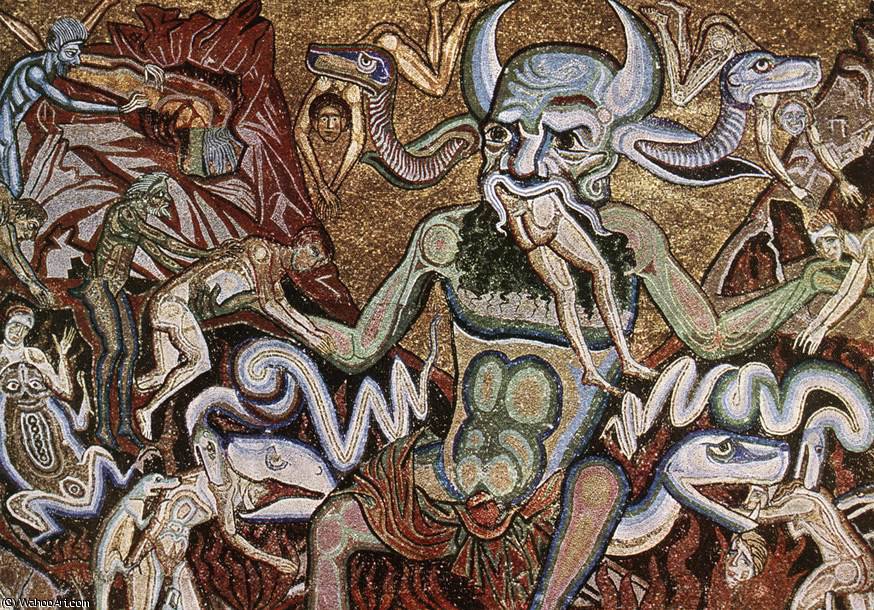
The hell (detail)
 詳細を見る
詳細を見る




































作品のオリジナル比率に合わせた、当店の規定サイズからお選びください。

特定のフレームやスペースに合わせて、ご希望のサイズをご入力いただけます。選択されたサイズが元の画像の比率と異なる場合、アートワークをトリミングするか、手描きで要素を追加して絵画を拡張いたします。デジタルモックアップ を制作し、制作開始前にご確認(承認)をいただきます。
画面上のプレビューは、実際のトリミングや拡張を正確に反映しているものではありません。最終的な構図は、モックアップによってのみ正確にご確認いただけます。
カスタムサイズもご利用いただけますが、元の比率を維持するためには、あらかじめ用意されたリストからサイズを選択することをお勧めいたします。
ご注文後、OriginalUniqueArt.com チームより詳細な指示をお送りするとともに、仕上がりイメージ(モックアップ)をご提供いたします。


 ガラスオプションは、110cm未満のサイズでのみご利用いただけます。

The hell (detail)
複製技法
複製画のサイズ
-


合計金額
$ 300
アーティストの略歴
The Dawn of a Florentine Master: Coppo di Marcovaldo
In the vibrant, turbulent landscape of thirteenth-century Florence, a transformative artistic spirit emerged to bridge the gap between the rigid traditions of the past and the burgeoning humanism of the future. Coppo di Marcovaldo stands as this pivotal figure, a pioneer whose brushstrokes breathed new life into the Italo-Bzantine style. Born in Florence around 1225, Coppo operated during an era of profound cultural shifts, where the solemnity of Byzantine iconography began to encounter the burgeoning naturalism of Italian sensibilities. His life was not merely one of quiet contemplation in a studio; historical records, such as those found in the Book of Montaperti, suggest he was even caught in the violent currents of Florentine military campaigns against Siena in 1260. This connection to the civic struggles of his city underscores a man deeply embedded in the very fabric of the society he would eventually immortalize through sacred art.
The artistry of Coppo di Marcovaldo is characterized by a masterful tension between the ethereal and the earthly. While he remained deeply rooted in the Byzantine tradition—utilizing gold grounds, stylized features, and a sense of divine permanence—he introduced a revolutionary sense of volume and weight. He moved away from the flat, two-dimensional figures of his predecessors, instead imbuing his subjects with a sculptural presence that hinted at the physical reality of the human form. This evolution was not merely a technical achievement but a theological one, as it allowed the faithful to perceive the divine through a more relatable, tangible lens.
The Majesty of the Madonna del Bordone
The zenith of Coppo’s career and his most enduring contribution to the Western canon is undoubtedly the Madonna del Bordone. Commissioned by the Servites Order, this monumental work serves as a watershed moment in art history. In this masterpiece, Coppo achieved what few of his contemporaries could: a groundbreaking compositional innovation through the use of an angled throne. By tilting the seat of the Virgin, he created a sense of architectural depth and three-dimensional space that was unprecedented for a Florentine painter of his time. This device did more than just showcase technical prowess; it invited the viewer into the sacred space, breaking the barrier between the celestial realm and the earthly observer.
Beyond this singular achievement, Coppo’s influence can be traced through several key thematic explorations in his oeuvre:
- The Madonna and Child: In various depictions of the Virgin and Christ Child, Coppo utilized a divine arrangement of celestial angels to surround the central figures, showcasing a mastery of the Italo-Byzantine style that invites profound spiritual reflection.
- Narrative Devotion: His work on St. Francis and Twenty Episodes from his Life demonstrates his ability to translate complex hagiographic narratives into intricate, Byzantine-influenced murals, offering a window into the intense medieval devotion of the period.
- Iconographic Synthesis: His ability to blend the formal rigidity of Eastern iconography with the emerging Italian interest in weight and form laid the essential groundwork for the later triumphs of the Early Renaissance.
A Lasting Legacy in the Florentine Tradition
Though his life ended in 1276, the echoes of Coppo di Marcovaldo’s innovation resonated through the centuries. He was a bridge-builder, an artist who took the established language of the Byzantine Empire and began to translate it into a local, Florentine dialect. His work provided the structural and stylistic foundation upon which later masters would build their own revolutions. By introducing volume, depth, and a more humanized divinity, Coppo did not just paint icons; he prepared the way for the profound naturalism that would eventually define the Renaissance.
To study Coppo is to witness the very moment when art began to move toward the light of realism. His legacy remains etched in the gold leaf and deep pigments of his surviving works, reminding us of a time when the boundaries of the sacred were being redrawn by the hands of a true visionary.

Coppo di Marcovaldo
1225 - 1276 , Italy
基本情報
- Artistic Movement Or Style: Italo-Byzantine Art
- Artists Or Movements Influenced By This Artist: ['Early Renaissance']
- Artists Who Influenced This Artist: ['Byzantine Artists']
- Date Of Birth: ca. 1225
- Date Of Death: ca. 1274
- Full Name: Coppo di Marcovaldo
- Nationality: Italian
- Notable Artworks: ['Madonna del Bordone']
- Place Of Birth: Florence, Italy

