プリント版に切り替え
 詳細を表示
詳細を表示







































 いずれかの辺が105 cm(約41インチ)を超えるアートワークまたは複製画の場合、フレームは分解されたキットの状態でお届けいたします。この方法は、輸送中の破損を防ぎ、安全に配送するために採用しております。


A Symphony of Reflection: Claude Monet’s “Water Lilies, Green Reflection (right half)”
Claude Monet's "Water Lilies, Green Reflection (right half)," painted in 1926 during the twilight years of his illustrious career, isn’t merely a depiction of a pond; it’s an immersion into a world of shimmering light, ethereal reflections, and profound tranquility. Created at Giverny, Monet's beloved estate and garden—a space he meticulously cultivated as his living studio—this painting embodies the culmination of decades spent exploring the interplay between nature and art. It represents a pivotal moment in Impressionism, moving beyond simple landscape representation towards an exploration of atmosphere, color, and the subjective experience of perception.
The Essence of Impressionism: Light and Atmosphere
Monet’s signature style is powerfully evident here. He abandons sharp lines and precise detail in favor of loose, broken brushstrokes that capture the fleeting effects of light on water. The painting isn't about a literal rendering of the pond; it’s about conveying *how* Monet saw it – a vibrant, constantly shifting spectacle of color and reflection. Notice how he uses layers of diluted paint to create an almost translucent quality, mimicking the way sunlight filters through the water and distorts the shapes of the surrounding foliage. The dominant palette—a rich tapestry of greens, violets, blues, and subtle pinks—is not derived from a single source but rather from the complex interactions of light and shadow, creating a sense of depth and movement that is utterly captivating.
A Garden’s Secret: Symbolism and Personal Vision
The “Water Lilies” series as a whole represents more than just botanical observation. Monet's garden at Giverny was his sanctuary, a carefully constructed environment designed to stimulate his artistic vision. The pond itself became the subject of countless paintings, each capturing a different mood and moment in time. "Water Lilies, Green Reflection (right half)" specifically reflects the later years of Monet’s life, when he suffered from cataracts, which subtly altered his perception of color and form. Despite these visual challenges, he continued to paint with an astonishing sensitivity, translating his experience into a deeply personal and evocative work. The reflections in the water aren't simply mirrored images; they represent a merging of the visible world with the realm of memory and imagination.
Technique and Composition: A Masterclass in Illusion
Monet’s masterful use of technique is particularly striking in this piece. The composition—a horizontal expanse dominated by the water surface—creates a sense of spaciousness and invites the viewer to lose themselves within the scene. He employs a technique known as *broken color*, applying small, distinct strokes of paint side-by-side rather than blending them together. This creates a shimmering effect that mimics the way light dances on the water’s surface. The subtle gradations of tone—from the darkest shadows beneath the lily pads to the brightest highlights reflecting off the sky—are achieved through meticulous layering and careful observation. The painting's scale, approximately six and a half feet high and forty-two feet wide, further enhances this immersive experience, drawing the viewer into Monet’s world.
Emotional Resonance: Peace, Reflection, and the Passage of Time
"Water Lilies, Green Reflection (right half)" is profoundly moving precisely because it captures a fleeting moment of beauty—a moment that is both intensely personal and universally resonant. It evokes feelings of serenity, contemplation, and a deep connection to nature. The painting’s hazy atmosphere and subtle color shifts invite the viewer to slow down, breathe deeply, and simply *be* present in the moment. It's a reminder of the ephemeral nature of beauty and the importance of appreciating the simple wonders that surround us. This piece stands as a testament to Monet’s genius—a timeless masterpiece that continues to captivate and inspire generations of art lovers.
Q&A
クロード・モネ作「Water Lilies, Green Reflection (right half)」を異なる照明の下で見ることはできますか?
クロード・モネ作「Water Lilies, Green Reflection (right half)」のX線解析ページは、X線写真のような表示を含む、作品画像の11層にわたる光学レイヤーをスライドして閲覧できるインタラクティブ・ビューアです。
「Water Lilies, Green Reflection (right half)」の推奨されるプリント方法について教えてください。サイズや向きはどうするのが良いでしょうか?
「Water Lilies, Green Reflection (right half)」の推奨プリント設定は、サイズLarge、向きPanoramicです。
クロード・モネには、他にどのような別名や通称がありますか?
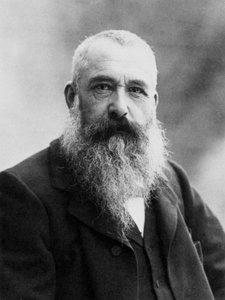
クロード・モネは、オスカー=クロード・モネ, クロード・オスカール・モネ, クロード・モネ (フルネーム: Oscar-Claude Monet)という名でも知られています。
この絵画の詳細を見る
 設置イメージを表示
 シェアする
シェアする シェアする
シェアする
 詳細を見る
詳細を見る ガイドを表示

 ダウンロード
 似ている作品
 X線調査
X線調査 スライドショーを表示
 Q&A
Q&A 統計情報
統計情報