プリント版に切り替え
 詳細を表示
詳細を表示







































 いずれかの辺が105 cm(約41インチ)を超えるアートワークまたは複製画の場合、フレームは分解されたキットの状態でお届けいたします。この方法は、輸送中の破損を防ぎ、安全に配送するために採用しております。


Water Lilies (25) by Claude Monet: A Symphony of Light and Reflection
Claude Monet's Water Lilies (25), painted in 1914, is more than just a depiction of a pond; it’s an immersive experience capturing the fleeting beauty of nature through the lens of Impressionism. This oil on canvas exemplifies Monet’s lifelong dedication to observing and translating the effects of light and atmosphere onto the canvas, inviting viewers into a tranquil world of color and reflection.
The Visual Landscape: A Study in Serenity
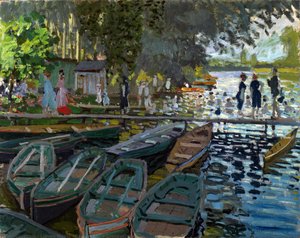
The painting portrays a serene pond scene, dominated by the vibrant reflections of foliage and lily pads dancing on the water's surface. Monet masterfully avoids sharp lines and precise details, instead opting for loose brushstrokes that convey movement and atmosphere. The composition is loosely structured, prioritizing an overall sense of tranquility over strict spatial accuracy. Water lilies of varying sizes and hues are scattered across the canvas, creating a layered effect that suggests depth and dimensionality. The interplay of blues, greens, and subtle variations in color evokes a peaceful ambiance characteristic of Monet’s work. The leaves add to the naturalistic feel, while the reflections create an ethereal quality.
Impressionist Technique and Artistic Significance
Water Lilies (25) is a prime example of Monet's Impressionist style. He pioneered techniques that emphasized capturing fleeting moments rather than precise representations. His innovative approach to light and color is evident in the painting’s vibrant palette and the way he uses broken brushstrokes to suggest shimmering reflections. Monet wasn't interested in depicting the pond as it "really" was, but rather how it appeared at a specific moment under particular lighting conditions. This focus on subjective perception revolutionized landscape painting, allowing artists to explore the ephemeral effects of sunlight, time, and weather through color and contrast. The wet-on-wet technique employed here contributes to the soft transitions and blended hues that define the Impressionist aesthetic.
Historical Context: Giverny and Monet's Late Period
This painting is part of a larger series inspired by Monet’s garden at Giverny, which he meticulously cultivated as an outdoor studio. The water lily pond was central to his artistic vision during the later years of his life, becoming almost an obsession. Created in 1914, it reflects a period where Monet's eyesight was deteriorating due to cataracts, yet paradoxically, this may have contributed to the increasingly abstract and dreamlike quality of his work. The series represents a culmination of his artistic exploration, moving away from representational accuracy towards a more purely sensory experience. The Musée Marmottan Monet in Paris proudly houses Water Lilies (25) within its esteemed collection dedicated to showcasing Monet’s legacy.
Emotional Resonance and Enduring Appeal
Beyond its artistic significance, Water Lilies (25) evokes a profound sense of peace and tranquility. The painting's soft colors, fluid forms, and shimmering reflections create an atmosphere of quiet contemplation. It invites viewers to escape the complexities of everyday life and immerse themselves in the beauty of nature. The enduring appeal of this work lies in its ability to capture not just a scene but also a feeling – a moment of serene connection with the natural world that resonates deeply with audiences across generations.
Q&A
「Water-Lilies (25)」には、クロード・モネの他の作品群とどのような共通点が見られますか?
「Water-Lilies (25)」はクロード・モネによるImpressionismの作品であり、その描かれたテーマにはinspired by nature & capturing fleeting light., key work in monet's water lily series, culmination of his style., serenity, tranquility, observation of nature.が含まれます。
Impressionismの作品「Water-Lilies (25)」は、どの国のものですか?
「Water-Lilies (25)」は、作者の出生地を通じて、Impressionism運動とフランスを結びつけています。
クロード・モネ作「Water-Lilies (25)」 の複製画は、どこに飾るのが最適でしょうか?
Landscapeの形状を活かした「Water-Lilies (25)」の複製画は、Living Roomに飾るのがおすすめです。
この絵画の詳細を見る
 設置イメージを表示
 シェアする
シェアする シェアする
シェアする
 詳細を見る
詳細を見る ガイドを表示

 ダウンロード
 似ている作品
 X線調査
X線調査 スライドショーを表示
 Q&A
Q&A 統計情報
統計情報