油彩画を購入
 モネの庭の橋の詳細







































 いずれかの辺が105 cm(約41インチ)を超えるアートワークまたは複製画の場合、フレームは分解されたキットの状態でお届けいたします。この方法は、輸送中の破損を防ぎ、安全に配送するために採用しております。


A Glimpse into Monet’s Paradise: Exploring *The Bridge in Monet's Garden*
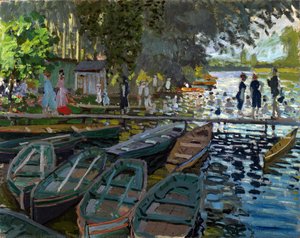
Claude Monet’s *The Bridge in Monet's Garden* is more than just a depiction of a picturesque scene; it’s an invitation to step inside the artist’s world, a sanctuary he meticulously crafted at Giverny. This iconic painting encapsulates the very essence of Impressionism, showcasing Monet’s masterful ability to capture fleeting moments of light and atmosphere. The artwork portrays a Japanese-style footbridge – one of several constructed in his garden – gracefully arching over a water lily pond, surrounded by lush vegetation.Impressionism: A Revolution in Art
This painting stands as a quintessential example of the Impressionist movement, which Monet profoundly influenced. Emerging in the late 19th century, Impressionism rejected traditional academic painting techniques, prioritizing subjective visual perception over realistic representation. Artists like Monet sought to capture the *impression* of a scene – the way light and color interact with our eyes at a specific moment. This meant embracing visible brushstrokes, unconventional compositions, and a focus on outdoor (plein air) painting.Technique and Composition: A Symphony of Color
Monet’s technique in *The Bridge in Monet's Garden* is characterized by loose, broken brushwork that creates a shimmering effect. He layered colors – greens, blues, pinks, and purples – to evoke the play of light on water and foliage. The composition is carefully balanced; the bridge acts as a central focal point, drawing the eye into the scene while the surrounding trees and flowers create depth and a sense of enclosure. The reflection of the bridge in the water doubles its presence, adding to the painting’s harmonious symmetry.Giverny: Monet's Living Canvas
To fully appreciate this artwork, it’s crucial to understand its context within Monet’s life and garden at Giverny. He purchased the property in 1883 and transformed it into a living work of art. The Japanese bridge was not merely a structural element but an integral part of his artistic vision – a motif he revisited repeatedly throughout his career. He cultivated exotic plants, created water features, and carefully controlled the landscape to provide endless inspiration for his paintings. The garden *was* his studio.Symbolism and Emotional Resonance
Beyond its aesthetic beauty, *The Bridge in Monet's Garden* carries symbolic weight. The bridge itself can be interpreted as a transition – a passage between worlds, or perhaps a connection between nature and artifice. The water lilies, recurring symbols in Monet’s work, represent purity, tranquility, and the ephemeral nature of beauty. The overall effect is one of serenity, peace, and harmonious coexistence with nature. It evokes feelings of nostalgia, contemplation, and a deep appreciation for the simple joys of life.Monet's Legacy & Complementary Works
Claude Monet (1840-1926) remains one of history’s most beloved artists. His dedication to capturing light and atmosphere revolutionized painting and paved the way for modern art. For those captivated by *The Bridge in Monet's Garden*, exploring other works from his Giverny period is highly recommended:- Water Lilies (54), a monumental series showcasing the pond’s ever-changing beauty.
- Pathway in Monet's Garden at Giverny, offering another intimate glimpse into his floral paradise.
- Irises in Monet's Garden, highlighting his vibrant use of color and botanical detail.
Q&A
モネの庭の橋は手描きですか、それともプリントですか?
手描きによる制作:熟練した画家が、リネンキャンバスに油彩でモネの庭の橋を模写します。
モネの庭の橋のサイズはどれを選べばよいですか?
サイズは31.1 x 32.2 cm (¥31676)から235.7 x 243.6 cm (¥328008)まで展開しております。こちらのページ内の表に、主な工程とそれぞれの価格を記載しています。
配送にはどのくらいの時間がかかりますか?
配送には4〜5週間を要し、世界中どこでも速達便にて無料でお届けいたします。また、本ページではお急ぎの方向けの特急制作オプションもご用意しております。商品は、理由を問わず100日以内であれば全額返金での返品が可能です。
クロード・モネはモネの庭の橋の制作にどのような画材(メディア)を使用しましたか?
キャンバスに油彩
 設置イメージを表示

 シェアする
 シェアする
 詳細を見る
 解説シート


 ダウンロード
 似ている作品
 X線調査
 スライドショーを表示
 Q&A

 統計情報