設置イメージを確認
 送る
送る シェア
シェア
 詳細情報
詳細情報 ガイドを表示

 画像をダウンロード
 似ている作品
 X線調査
X線調査 スライドショー
 統計情報
統計情報Madame Monet Embroidering
 油彩
油彩- ウォールアート
- Impressionism
 1875
1875- 19th Century
 55.0 x 65.0 cm
 続きを読む
続きを読む
ジークレー/アートプリント
スピーディーな制作と多彩な仕上げオプションが魅力の、ミュージアムクオリティなジークレー・キャンバスプリント。 ( 手描きの複製画を注文する デジタル画像販売へ切り替え)




P118B ¥10

P118H ¥10

P118W ¥10

P438Z ¥10

P508JH ¥12

P508YH ¥12

P805H ¥10

P805Z ¥10

P919BZ ¥10

P919G ¥10

P919XJ ¥10

P959ZH ¥10

P968JZ ¥12

W106C ¥8

W218G ¥10

W218JH ¥8

W218Y ¥10

W307PJ ¥10

W316G ¥10

W316PJ ¥8

W316Y ¥10

W398PJ ¥8

W4111J ¥10

W500HY ¥15

W500JH ¥15

W692G ¥12

W849H ¥8

W940BG ¥15

W953PJ ¥8




作品のオリジナル比率に合わせた、当店の規定サイズからお選びください。

額縁や壁のスペースに合わせて、ご希望の幅と高さを入力してください。プリントはカットすることは可能ですが、元の画像より大きくすることはできないため、異なる比率のサイズを選択された場合は、画像の一部が欠けることになります。印刷を開始する前に、内容を確認していただくためのデジタルモックアップをお送りいたします。このページに表示されている画像は、実際のカット後の状態を示すものではありません。実際の仕上がりはモックアップにてご確認ください。


 ガラスオプションは、110cm未満のサイズでのみご利用いただけます。

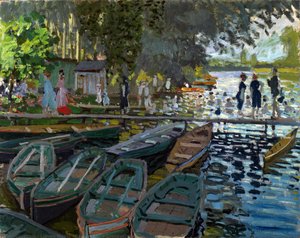
Madame Monet Embroidering
ジークレー/アートプリント
複製画サイズ一覧
-


合計金額
¥ 12604
A Moment of Domestic Tranquility: Monet’s “Madame Monet Embroidering”
Claude Monet's "Madame Monet Embroidering," painted in 1875, isn't merely a portrait; it’s a carefully constructed tableau of quiet domesticity—a window into the heart of late 19th-century French life. This intimate scene, rendered with Monet’s signature Impressionistic brushwork, captures a fleeting moment of serene activity within the artist’s own home in Giverny. The painting immediately draws the viewer in, not with dramatic gesture or bold color, but with an almost palpable sense of warmth and tranquility. It's a testament to Monet’s ability to find profound beauty in the commonplace, elevating the simple act of embroidery into a subject worthy of artistic contemplation.
At first glance, the composition appears deceptively straightforward. Madame Monet, her face partially obscured by shadow, is seated before a window bathed in soft, diffused light. Her hands, deftly guiding the needle and thread, are focused entirely on the intricate embroidery work—a detail that speaks volumes about her patience, skill, and perhaps, a quiet contentment. The room itself is subtly arranged: potted plants flanking the window create a sense of natural enclosure, while a dining table and vase introduce elements of refined elegance without disrupting the overall mood. The placement of these objects isn’t haphazard; it's a deliberate orchestration designed to evoke a feeling of comfortable familiarity.
Impressionistic Techniques & Light’s Dance
Monet’s mastery lies in his ability to capture the ephemeral quality of light and atmosphere—a hallmark of Impressionism. He achieves this through loose, broken brushstrokes that seem almost hesitant, yet collectively create a shimmering effect. Notice how he doesn't attempt to define the textures of the fabrics or furniture with sharp lines; instead, he uses subtle variations in color and tone to suggest their presence. The light streaming through the window isn’t rendered as a single, solid beam but rather as a series of overlapping washes—a dance of color that imbues the scene with an ethereal quality. This technique is particularly evident in the way he depicts the shadows cast by the plants and furniture, creating a sense of depth and volume without resorting to traditional shading.
The painting’s palette is restrained yet remarkably nuanced. Monet favors soft blues, greens, and browns—colors that evoke the feeling of an overcast day. However, within this muted range, he introduces subtle highlights of yellow and pink, suggesting the warmth of the interior and the gentle glow of the light. He skillfully uses these touches to draw attention to Madame Monet’s hands, highlighting their delicate movements and emphasizing the tactile nature of her craft.
A Glimpse into Victorian Domesticity
"Madame Monet Embroidering" offers a fascinating glimpse into the domestic life of the late 19th century. Embroidery was a common pastime for women of that era—a means of both creating beautiful objects and occupying their time. It represented not just skill and artistry, but also a connection to tradition and family. The inclusion of the dining table and vase subtly alludes to the social rituals and refined tastes of the Victorian period, suggesting a comfortable, well-ordered home life. The painting isn’t simply a portrait; it's a miniature snapshot of a specific moment in time—a testament to the quiet pleasures and everyday routines that shaped the lives of many French families.
Symbolism & Emotional Resonance
Beyond its surface details, “Madame Monet Embroidering” is rich in symbolism. The act of embroidery itself can be interpreted as a metaphor for creation—for bringing order and beauty to the world through patient effort. Madame Monet’s focused attention suggests a state of meditative calm, perhaps reflecting her own artistic process. The window serves as a visual boundary between the interior world of domesticity and the external landscape, hinting at a connection between creativity and nature. The painting evokes a sense of nostalgia—a longing for simpler times and a appreciation for the beauty of ordinary moments. It’s a quietly powerful work that invites viewers to pause, reflect, and find solace in its serene atmosphere.
OriginalUniqueArt offers meticulously hand-painted reproductions of “Madame Monet Embroidering,” allowing you to bring this exquisite artwork into your home or office. Each reproduction is created by skilled artists using the same techniques and materials as Monet himself, ensuring an authentic representation of this iconic masterpiece. Explore our collection today and experience the timeless beauty of this remarkable painting.
よくあるご質問
クロード・モネ作「Madame Monet Embroidering」に関する統計情報はどこで確認できますか?
「Madame Monet Embroidering」には、専用の統計情報ページがあります。このページでは、その作品およびアーティストの他の作品の月間訪問者数を、国別・言語別の内訳とともにグラフで表示しています。
「Madame Monet Embroidering」のファインアートプリントは販売されていますか?
クロード・モネ作「Madame Monet Embroidering」のプリントは、こちらのファインアートプリントページから直接ご注文いただけます:コットンキャンバスまたはアーカイブ品質のキャンバスペーパーに施されたファインアートプリント
学生向けのクロード・モネ作「Madame Monet Embroidering」に関するファクトシートはありますか?
「Madame Monet Embroidering」のガイドは、作品のガイドページです。このページは印刷可能なファクトシートとなっており、作品のキャプション、クレジット、および詳細情報(作家名、制作年、技法、原寸大、所蔵)をまとめてご確認いただけます。
アーティストについて
光に浸された生涯:クロード・モネの世界
印象派という言葉と同義語とも言えるオスカー=クロード・モネ。彼は単なる風景画家ではありませんでした。一瞬のきらめきを記録する年代記作家であり、光と色彩の詩人だったのです。1840年11月14日、パリに生まれた彼の人生は、5歳の時に家族がノルマンディー地方のル・アーヴルへ移り住んだことで、予想外の転換期を迎えます。当初、父親によって商業的なキャリアを歩むことが予定されていましたが、若きモネの内なる芸術的才能はすぐに開向し、まずは地元の市場で売られる炭の風刺画として現れました。これは彼の技術と起業家精神の両方を証明するものでした。しかし、彼の運命を決定づけたのは、エウジェーヌ・ブーダンとの出会いでした。ブーダンはモネに絵を描く技法だけでなく、自然の中で直接描くen plein air(外光派)という革命的な概念を植え付けました。この実践こそが、彼の芸術的探求のすべてを定義づけることになったのです。
モネの正式な訓練はパリで始まり、アカデミー・スイス、そして後にシャルル・グレールの指導のもとで行われました。ここで彼はオーギュスト・ルノワールといった同時代の芸術家たちと固い友情を築きました。その絆は、共通の芸術的苦悩と、伝統的なアカデミー絵画の制約から解放されたいという切実な願いによって結ばれたものでした。初期の作品は技術的な熟練さを示してはいたものの、後に彼のスタイルを特徴づけることになる独特の「声」にはまだ欠けていました。その後、普仏戦争という激動の時代が訪れます。モネはロンドンへと避難を余儀なくされましたが、そこでJ.M.W.ターナーをはじめとするイギリスの風景画の巨匠たちの作品に没頭することになります。彼は彼らの描く大気の効果や、革新的な色彩の使用法を深く吸収していったのです。
美学革命の誕生
フランスに戻ったモネは、沸き起こりつつあった芸術的反乱の中心人物となりました。保守的なサロンの基準に不満を抱いていた彼は、志を同じくする芸術家たちと協力し、独立展覧会を開催します。1874年の展覧会は、モネ個人にとっても、美術界全体にとっても決定的な転換点となりました。この際、ル・アーヴルの港の夜明けを霞んだ描写で捉えた「印象、日の出」が展示されました。この作品から、当初は蔑称として「印象派」という名称が生まれました。しかし、その名は定着し、対象を正確に再現することよりも、その場における主観的な「印象」を捉えようとする運動の誇り高い称号へと進化していったのです。
モネのシグネチャー・スタイルはこの時期に花開きました。大胆で目に見える筆致、隣接して配置された鮮やかで、しばしば混ざり合わない色彩(「筆触分割」として知られる技法)、そして移ろいゆく光の儚い性質を捉えようとする揺るぎない集中力。彼はplein airの実践を執拗なまでに追求し、刻々と変化する自然の条件によって情景が変わってしまう前に、自身の即時的な知覚を記録しようと素早く筆を動かしました。この献身は、単に「見たもの」を描写することだけが目的ではなく、それに対して自分が「どう感じたか」を表現するためのものでした。これは芸術的慣習からの、極めて急進的な脱却だったのです。
ジヴェルニー:光と反射の楽園
1883年、モネはパリの北西に位置するジヴェルニーに定住しました。そこで築かれた家と庭は、彼の聖域であると同時に、最大のインスピレーションの源となりました。彼はその敷地を、エキゾチックな花々やシダ、そして最も有名な、日本橋が架かる睡蓮の池を備えた精緻な楽園へと作り変えました。これは単なる装飾的な庭園ではありませんでした。水面、木の葉、そして反射に光がもたらす影響を、制御された条件下で研究するための「生きた実験室」だったのです。
人生の最後の数十年は、ほぼすべてがジヴェルニーの睡蓮の池を描くことに捧げられました。彼は記念碑的な「睡蓮」シリーズに着手し、池の表面を絶え間なく変化する色彩と光のタペストリーとして描き出した巨大なキャンバスを生み出しました。これらは単なる花の絵ではありませんでした。鑑賞者を静謐な美しさと瞑想的な静寂の世界へと包み込むための、没入型の体験だったのです。これらの作品のスケールは息をのむほどであり、伝統的な絵画の境界を押し広げ、後の抽象表現主義を予感させるものでした。
遺産:美術史への永続的な影響
クロード・モネが美術史に与えた影響は計り知れません。彼は単なる印象派の創始者にとどまらず、芸術家たちが周囲の世界をどのように認識し、表現するかというあり方を根本から変えてしまいました。主観的な経験への重視、plein air(外光派)技法の受容、そして革新的な手法は、抽象や非具象的な形態を探求する近代美術への道を切り拓いたのです。
モネは存命中にかなりの商業的成功を収めました。これは当時の前衛芸術家としては極めて稀なことでした。彼の作品は今なお世界中の人々を魅了し、畏敬の念を抱かせ続けており、西洋美術における最も重要な人物の一人としての地位を揺るぎないものにしています。1926年12月5日に世を去った彼が残した遺産は、世代を超えて芸術家や愛好家たちの心に響き続けています。彼の傑作の重要なコレクションは、パリのオルセー美術館やマルモッタン・モネ美術館といった権威ある機関に収蔵されており、そのヴィジョンは今もなお世界を照らし続けています。
主要な芸術技法
- 外光派(Plein Air)の技法:彼の発展の中核であり、光と大気を直接観察することを可能にしました。 <
- 筆触分割(Broken Color):純粋な色彩の小さな筆跡を隣り合わせに置くことで、視覚的な混色を生み出す技法です。
- 連作(Series Painting):同じ主題を異なる光や天候の下で描くこと。時間と光がもたらす変容の力を証明しました。
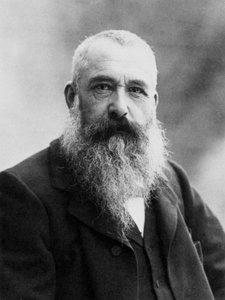
クロード・モネ
1840 - 1926 , フランス
アーティスト情報
- フルネーム: クロード・モネ
- 主な作品:
- 印象、日の出
- 睡蓮
- 干し草
- ルーアン大聖堂
- 出生地: パリ、フランス
- 国籍: フランス人
- 影響を与えたアーティストまたは運動: ['近代美術']
- 影響を受けたアーティスト:
- ユージェン・ブーダン
- J.M.W.ターナー
- 死亡年月日: 1926年12月5日
- 生年月日: 1840年11月14日
- 芸術運動またはスタイル: 印象派
関連記事
The Interior Gaze: Exploring Representations of Domestic Space in Art History
Explore the fascinating history of domestic interiors in art! From Dutch Masters to Impressionism, discover how artists captured home life & social meaning. Expert analysis and insights at OriginalUniqueArt.

Intimate Interiors: Domestic Life & Artistic Representation from Renaissance to Impressionism
Explore the evolution of domestic life in Western art from the Renaissance to Impressionism. Discover symbolism, realism & artistic techniques shaping intimate interior scenes. Learn more with OriginalUniqueArt.
クロード・モネ傑作25選:光と色彩の印象派を彩る名画の世界 | OriginalUniqueArt
クロード・モネの傑作25選。印象派を代表する光の画家、モネの世界を旅しませんか?睡蓮や風景画など、名画の背景にある物語と芸術技法をご紹介。OriginalUniqueArtで高品質な複製画とインテリアアートを見つけましょう。全コレクションはこちら。

Impressionism's Masterpieces: 10 Paintings That Defined a Movement | OriginalUniqueArt
Journey through Impressionism's heart with 10 iconic paintings by Monet, Renoir & Degas. Explore light, color & the stories behind these masterpieces. Find museum-quality art reproductions and elevate your home decor on OriginalUniqueArt.com.

印象派風景を彩った至宝:アート史に名を刻む10選
印象派風景の革新を彩った10選。モネ、ルノワールら巨匠の名作を紐解き、色彩と光が生み出す感動の世界へ。アートの歴史とインテリアのインスピレーションをOriginalUniqueArt.comで。高品質な複製画で、あなただけの空間を創造しましょう。