プリント版に切り替え
 詳細を表示
詳細を表示







































 いずれかの辺が105 cm(約41インチ)を超えるアートワークまたは複製画の場合、フレームは分解されたキットの状態でお届けいたします。この方法は、輸送中の破損を防ぎ、安全に配送するために採用しております。


A Symphony of Light and Water
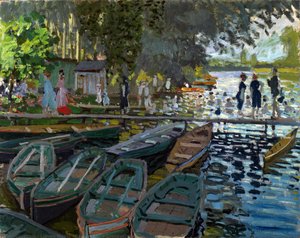
In the delicate dance of Claude Monet’s 1880 masterpiece, “Floating Ice,” the viewer is invited into a world where the boundaries between reality and perception begin to dissolve. This evocative oil on canvas is far more than a mere depiction of a riverside landscape; it is a profound exploration of the Impressionist ethos—a fervent, breathless pursuit of capturing the fleeting essence of a single moment. As the eye wanders across the tranquil river, one encounters a serene arrangement of birch trees and small boats gliding softly through the water, all punctuated by the lively, rhythmic presence of scattered birds. Monet does not simply present a scene; he orchestrates a visual harmony that celebrates the profound beauty inherent in the natural world, making it an ideal centerpiece for any collection seeking to evoke peace and timelessness.
The true magic of this work lies in its revolutionary technique, where the artist’s brush becomes a tool for translating sensory experience rather than mere anatomical or botanical accuracy. Eschewing the rigid, polished conventions of academic tradition, Monet employed soft, loose strokes that prioritize the interplay of color and texture. His palette is a masterful arrangement of muted blues, verdant greens, and subtle yellows, meticulously blended to recreate the shimmering reflections dancing upon the water’s surface. Through these delicate gradations of light filtering through foliage, he achieves an ethereal effect that feels almost alive. For the discerning collector or interior designer, this technique offers a sense of movement and depth, allowing the painting to breathe within a room and interact dynamically with changing natural light.
Historical Resonance and Emotional Depth
To behold “Floating Ice” is to witness a pivotal moment in art history. Painted during Monet’s formative years as a leader of the Impressionist movement, the work reflects the era's fascination with scientific advancements in optics and color perception. It emerged from a period when artists were increasingly driven by the desire to accurately represent visual sensations—the way light hits an object, the way color shifts with the atmosphere. This historical weight adds a layer of intellectual richness to the piece, making it not just a beautiful decoration, but a conversation starter about the evolution of modern vision.
Beyond its technical brilliance, the painting carries a deep emotional resonance. There is a certain poetic melancholy found in the drifting ice and the quiet movement of the boats, yet this is balanced by the vibrant energy of the birds and the lushness of the riverbanks. It evokes a sense of nostalgia and tranquility, offering a sanctuary of calm in a fast-paced world. Whether displayed in a sunlit gallery or as a sophisticated focal point in a contemporary living space, a high-quality reproduction of this masterpiece brings with it an atmosphere of elegance and a profound connection to the enduring beauty of nature.
Q&A
クロード・モネ作「Floating Ice」 の主要な色調は何ですか?
クロード・モネ作「Floating Ice」には、Golden Yellow Rangeの色調が全体に広がっています。
クロード・モネ作「Floating Ice」のコントラストはどの程度強いですか?
クロード・モネ作「Floating Ice」は、明部と暗部の間にGentleなコントラストを描き出しています。
クロード・モネ作「Floating Ice」は、どの芸術運動や時代に属していますか?
クロード・モネ作「Floating Ice」は、作者の19世紀という時代における、Impressionismのムーブメントに位置づけられます。
この絵画の詳細を見る
 設置イメージを表示
 シェアする
シェアする シェアする
シェアする
 詳細を見る
詳細を見る ガイドを表示

 ダウンロード
 似ている作品
 X線調査
X線調査 スライドショーを表示
 Q&A
Q&A 統計情報
統計情報