プリント版に切り替え
 詳細を表示
詳細を表示







































 いずれかの辺が105 cm(約41インチ)を超えるアートワークまたは複製画の場合、フレームは分解されたキットの状態でお届けいたします。この方法は、輸送中の破損を防ぎ、安全に配送するために採用しております。


A Symphony of Light and Stone: Exploring Claude Monet’s Cliffs at Belle-Ile
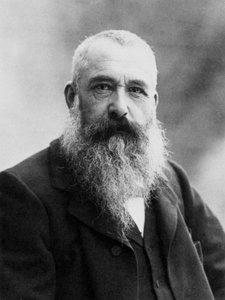
Claude Monet, a name synonymous with Impressionism, wasn't merely a painter of landscapes; he was a chronicler of fleeting moments, a poet of light and color. Born in Paris on November 14, 1840, his early life took an unexpected turn when his family relocated to Le Havre, Normandy, at the age of five. While initially destined for a commercial career by his father, young Claude’s innate artistic talent quickly surfaced, manifesting first in charcoal caricatures sold locally – a testament to both his skill and entrepreneurial spirit. However, it was his encounter with Eugène Boudin that proved pivotal. Boudin didn't just teach Monet *how* to paint; he instilled within him the revolutionary idea of painting en plein air—directly from nature—a practice that would define his entire artistic journey. Monet’s formal training began in Paris, briefly at the Académie Suisse and later under Charles Gleyre. It was here he forged lasting friendships with fellow artists like Pierre-Auguste Renoir and Camille Pissarro, establishing a core group dedicated to pushing the boundaries of artistic convention. Their shared ambition was to capture not just what they *saw*, but how light transformed the visual world—a radical departure from the academic tradition that prioritized meticulous detail and idealized representations. This pursuit of atmospheric impression would become Monet’s signature style, forever altering the course of art history.The Belle-Ile Vision: Capturing Coastal Drama
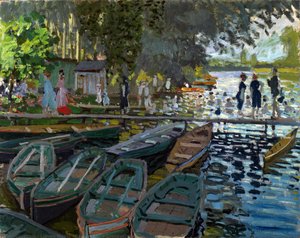
“Cliffs at Belle-Ile,” painted in 1881 during Monet's prolific Normandy period, exemplifies this groundbreaking approach perfectly. The subject matter itself—the rugged coastline of Belle-Ile Saint Germain—was chosen deliberately to showcase the transformative power of sunlight on water and rock formations. Monet wasn’t interested in rendering a precise topographical map; instead, he sought to convey the *feeling* of being present at that particular moment – the salty air, the crashing waves, the shifting hues of dawn or dusk. This dedication to capturing ephemeral beauty is palpable throughout the canvas.Technique and Impressionistic Brushstrokes
Monet’s technique—characterized by loose, visible brushstrokes—was revolutionary for its time. He applied paint in short, broken dashes of color, allowing the pigments to blend optically on the viewer's eye rather than relying on traditional glazing methods. This layering of translucent colors creates a shimmering effect that mimics the way light scatters across the surface of water and stone. The artist meticulously observed how the changing conditions of illumination affected the palette—from pale blues and greens at sunrise to warmer oranges and reds as the day progressed—translating these observations into an astonishingly vibrant depiction.Symbolism Beyond Representation
More than just a visual record, “Cliffs at Belle-Ile” carries symbolic weight. The cliffs themselves represent permanence and solidity against the ceaseless movement of the sea, symbolizing the enduring beauty of nature despite its constant flux. Monet’s masterful use of color—particularly his bold juxtapositions of complementary hues—further enhances this symbolism. These colors aren't merely decorative; they vibrate with energy and communicate a profound sense of emotion – awe, wonder, and perhaps even melancholy as the day draws to a close.A Legacy Enduring Impression
“Cliffs at Belle-Ile” stands as one of Monet’s most iconic works, cementing his place among the titans of Impressionism. Its influence extends far beyond the art world, inspiring countless artists and designers who strive to emulate its luminous quality and expressive dynamism. Today, a high-quality reproduction allows admirers worldwide to experience the breathtaking beauty of Monet's vision—a testament to his enduring legacy as a pioneer of modern painting. Explore “Cliffs at Belle-Ile” on OriginalUniqueArt.com: Cliffs at Belle-Ile Learn more about Claude Monet: Claude Monet Discover other Impressionist painQ&A
クロード・モネには他にどのような名で知られているものがありますか?
クロード・モネは、オスカー=クロード・モネ, クロード・オスカール・モネ, クロード・モネ (フルネーム: Oscar-Claude Monet)という名でも知られています。
「Cliffs at Belle-Ile」は、どのような色調に寄っていますか?
クロード・モネ作「Cliffs at Belle-Ile」の主要な色調はGreen to Violet Spectrumです。この色調が、パレット全体の基調となるトーンを形作っています。
「Cliffs at Belle-Ile」はパブリックドメインですか?
クロード・モネ作「Cliffs at Belle-Ile」 の著作権について:本作品はパブリックドメイン(著作権消滅)です。これにより、画像の複製が自由に行えるかどうかが決まります。
この絵画の詳細を見る
 設置イメージを表示
 シェアする
シェアする シェアする
シェアする
 詳細を見る
詳細を見る ガイドを表示

 ダウンロード
 似ている作品
 X線調査
X線調査 スライドショーを表示
 Q&A
Q&A 統計情報
統計情報