 プリント版に切り替え
 続きを読む
続きを読む







































 いずれかの辺が105 cm(約41インチ)を超えるアートワークまたは複製画の場合、フレームは分解されたキットの状態でお届けいたします。この方法は、輸送中の破損を防ぎ、安全に配送するために採用しております。


The Tempestuous Coastline: Claude Monet’s “Cliff at Dieppe”
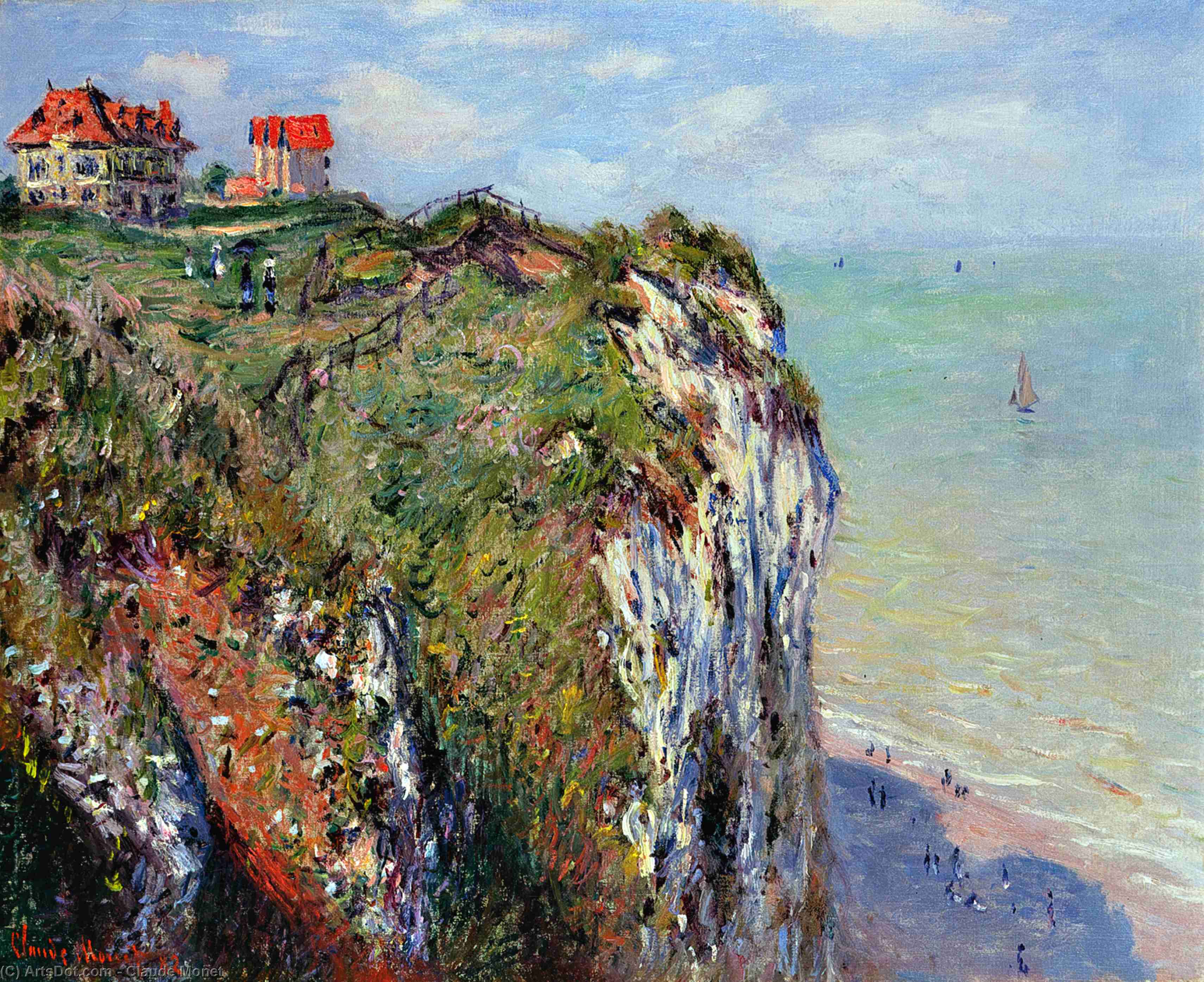
Claude Monet's "Cliff at Dieppe," painted in 1882, isn’t merely a depiction of a coastal scene; it’s an immersive experience of light, atmosphere, and the very essence of Impressionism. This captivating oil painting transports us to the rugged cliffs overlooking the harbor of Dieppe, a bustling fishing port in Normandy, France – a place that profoundly influenced Monet's artistic vision. More than just a landscape, “Cliff at Dieppe” is a testament to Monet’s revolutionary approach to capturing fleeting moments and subjective perceptions, solidifying his position as a pioneer of modern art. The painting immediately draws the eye with its vibrant palette—a dance of blues, greens, and ochres that shimmer and shift depending on the viewer's perspective. It’s not about precise detail or photographic realism; instead, Monet prioritizes the *impression* of the scene – the way light interacts with water, rock, and sky, creating a dynamic and ever-changing visual field.Impressionist Techniques: A Symphony of Light and Color
Monet’s mastery lies in his masterful deployment of Impressionistic techniques. He abandoned traditional brushwork, opting for short, broken strokes of pure color applied directly to the canvas – a technique known as *plein air* painting. This method allowed him to capture the ephemeral qualities of light and atmosphere with unprecedented accuracy. Notice how he uses juxtaposed colors—a vibrant turquoise against a hazy grey sky, or a deep indigo reflecting in the choppy water—to create a sense of movement and luminosity. The brushstrokes themselves aren’t blended; they retain their individual character, contributing to the painting's overall texture and vibrancy. This deliberate lack of blending is crucial to conveying the fleeting nature of light and the subjective experience of observing a scene. The cliffs are rendered with loose, almost hazy forms, while the boats below are depicted with more defined shapes, creating a delightful contrast between solidity and transience.Composition and Narrative: A Scene Alive with Activity
The composition of “Cliff at Dieppe” is remarkably dynamic, skillfully balancing elements of tranquility and activity. The imposing cliff face dominates the foreground, anchoring the scene and providing a sense of stability. Above it, a cluster of houses clings precariously to the rock, hinting at human presence and adding depth to the perspective. Below, the harbor teems with life – boats bobbing on the waves, fishermen hauling their nets, and figures scattered along the shore. This inclusion of people isn’t merely decorative; it suggests an active community engaged in daily life, enriching the scene's narrative. The arrangement of these elements—the towering cliffs, the bustling harbor, and the human figures—creates a harmonious balance between natural grandeur and human interaction, inviting the viewer to become part of this vibrant coastal tableau.Historical Context: Impressionism’s Roots and Monet’s Legacy
“Cliff at Dieppe” emerged during a pivotal moment in art history – the rise of Impressionism. Influenced by artists like Eugène Boudin, who championed *plein air* painting and encouraged Monet to observe nature directly, Monet sought to capture not just what he saw, but how he *felt* about it. This philosophy challenged the established academic traditions of the time, which prioritized meticulous detail and historical subject matter. Monet’s work resonated with a growing desire for artistic freedom and a shift towards subjective experience. The painting reflects broader trends in Western art, drawing inspiration from both ancient Chinese landscape painting—which emphasized capturing the essence of nature rather than literal representation—and Japanese prints, known for their flattened perspectives and evocative use of color. Claude Monet’s legacy extends far beyond “Cliff at Dieppe.” He fundamentally altered the course of art history, paving the way for subsequent movements like Post-Impressionism and Modernism, and his emphasis on capturing fleeting moments continues to inspire artists today.Reproductions Available: Bringing Monet's Vision Home
OriginalUniqueArt offers meticulously crafted oil painting reproductions of “Cliff at Dieppe,” allowing you to bring this iconic masterpiece into your own space. Our hand-painted reproductions faithfully capture the original’s vibrant colors, dynamic brushwork, and atmospheric depth. Each reproduction is created using archival quality materials, ensuring its longevity and preserving the beauty of Monet's vision for generations to come. Explore our options at Painting by 'Claude Monet' | Claude Monet: Cliff at Dieppe. Consider pairing this stunning reproduction with other Impressionist works to create a captivating and evocative gallery wall – a celebration of light, color, and the enduring beauty of nature.よくあるご質問
クロード・モネ作「Cliff at Dieppe」のプリントサイズと向きは、どのような設定がおすすめですか?
「Cliff at Dieppe」の推奨プリント設定は、サイズ大判、向き横長です。
「Cliff at Dieppe」は、何年に、どの様式(ムーブメント)で制作されたものですか?
「Cliff at Dieppe」は、Impressionismの作品として1882年に制作されました。制作年と様式は、美術史におけるこの作品の位置付けを明確にするものです。
クロード・モネ作「Cliff at Dieppe」のデジタル画像はどこで購入できますか?
クロード・モネ作「Cliff at Dieppe」のデジタルファイルをご希望の場合は、デジタル画像ページより高解像度デジタル画像のダウンロードをご注文ください。
More about this painting
 設置イメージを確認
 送る
送る シェア
シェア
 詳細情報
詳細情報 ガイドを表示

 画像をダウンロード
 似ている作品
 X線調査
X線調査 スライドショー
 Q&A
Q&A 統計情報
統計情報