

 設置イメージを確認
 送る
送る シェア
シェア
 詳細情報
詳細情報 ガイドを表示

 画像をダウンロード
 似ている作品
 X線調査
X線調査 スライドショー
 統計情報
統計情報サティール
 キャンバスにアクリル絵具
- ウォールアート
- Neoclassical Style
 1700
1700 41.0 x 52.0 cm
 国立カルオステ・ギルベンキアン美術館
 続きを読む
続きを読む
ジークレー/アートプリント
スピーディーな制作と多彩な仕上げオプションが魅力の、ミュージアムクオリティなジークレー・キャンバスプリント。 ( 手描きの複製画を注文する デジタル画像販売へ切り替え)




P118B ¥10

P118H ¥10

P118W ¥10

P438Z ¥10

P508JH ¥12

P508YH ¥12

P805H ¥10

P805Z ¥10

P919BZ ¥10

P919G ¥10

P919XJ ¥10

P959ZH ¥10

P968JZ ¥12

W106C ¥8

W218G ¥10

W218JH ¥8

W218Y ¥10

W307PJ ¥10

W316G ¥10

W316PJ ¥8

W316Y ¥10

W398PJ ¥8

W4111J ¥10

W500HY ¥15

W500JH ¥15

W692G ¥12

W849H ¥8

W940BG ¥15

W953PJ ¥8




作品のオリジナル比率に合わせた、当店の規定サイズからお選びください。

額縁や壁のスペースに合わせて、ご希望の幅と高さを入力してください。プリントはカットすることは可能ですが、元の画像より大きくすることはできないため、異なる比率のサイズを選択された場合は、画像の一部が欠けることになります。印刷を開始する前に、内容を確認していただくためのデジタルモックアップをお送りいたします。このページに表示されている画像は、実際のカット後の状態を示すものではありません。実際の仕上がりはモックアップにてご確認ください。


 ガラスオプションは、110cm未満のサイズでのみご利用いただけます。

サティール
ジークレー/アートプリント
複製画サイズ一覧
-


合計金額
¥ 12695
Claude Michel Clodionの「サティール」について
フランスのロココ彫刻家、クロード・ミシェル・クローディオンの作品「サティール」(1781年)は、ギリシャ神話に登場するサティールとフローラをモチーフにした印象的なテラコッタ彫塑です。この作品は、繊細な表現力とダイナミックなフォルムが特徴であり、当時の芸術家たちから熱烈な賛辞を受けました。特にイタリアの彫刻大师ジャンロレンツォ・ベルニーニの影響を受けたスタイルは、その優美さと動きのある構成で見る人々を魅了します。 クローディオンは、フランスアカデミーの会員になることを拒絶された後、パリ社会との関係が悪化し、フランス革命によって一時的にナーンに戻りました。彼の芸術活動は国際的な顧客に愛され、ロシア皇帝エカテリーナ二世も彼の作品を高く評価していました。 クローディオンは1814年にパリで亡くなっていますが、彼の作品は今日でも世界中の美術館やコレクションで展示されています。- 作品の概要: クローディオンの「サティール」は、二人のサティールが愛を語り合う姿を描いた彫塑です。この作品は、豊かな色彩と滑らかなテクスチャが特徴であり、ロココ様式の優雅さを表現しています。
- スタイルと技法: クローディオンの彫塑は、ベルニーニなどのイタリア大师の影響を受けました。彼はテラコッタという素材を選び、細密な技術を用いて繊細な表現を実現しました。特に彼の作品は、動きのあるフォルムと静かな調和が特徴です。
- 歴史的背景: クローディオンの作品は、フランス啓蒙主義時代の芸術家たちによって制作されました。この時代には、古典的なモチーフや理想化された美しさに対する関心が高まっていました。「サティール」は、当時の芸術家の思想と情熱を反映しています。
- シンボル主義: サティールはギリシャ神話に登場するエロティックな妖精であり、この作品では愛と豊穣の象徴として表現されています。フローラは春の女神であり、この作品では生命力と美しさの象徴として描かれています。
- 感情的な影響: クローディオンの「サティール」は見る人に感動と喜びを与えます。この作品は、ロココ様式の優雅さと動きのあるフォルムが融合し、見る人の心を豊かにします。
よくあるご質問
国立カルオステ・ギルベンキアン美術館所蔵の「サティール」の複製権について教えてください。
「サティール」の原画は国立カルオステ・ギルベンキアン美術館に所蔵されており、本作品はパブリックドメイン(著作権消滅)です。
Claude Michel作「サティール」は、どのような空間に飾るのがおすすめですか?
「サティール」の複製画は、リビングルームに美しく調和します。
Claude Michel作「サティール」 に似た作品を見つけるにはどうすればよいですか?
Claude Michel作「サティール」の似ている作品ページでは、関連する作品をご紹介しています。
アーティストについて
The Master of Clay: The Life and Art of Clodion
Born in Nancy, France, the sculptor known to history as Clodion—or Claude Michel—emerged as one of the most captivating figures of the late eighteenth century. His journey into the heart of the French art world began in 1755 when he arrived in Paris, entering the prestigious workshop of his maternal uncle, Lambert-Sigisbert Adam. This early immersion in a lineage of skilled sculptors provided him with a foundation of technical excellence that would later allow him to transcend the boundaries of traditional medium. While many of his contemporaries sought permanence in marble or bronze, Clodion found his true voice in the tactile, intimate world of terracotta.
His development was profoundly shaped by his travels and his encounters with the classical past. After winning the prestigious Prix de Rome, he moved to Italy, where he shared a studio with the renowned Jean-Antoine Houdon. It was during this period that Clodion deeply studied the nuances of antique, Renaissance, and Baroque sculpture. This exposure to the grace of antiquity infused his work with a sense of timelessness, even as he remained firmly rooted in the playful, light-hearted spirit of the Rococo style. He possessed an extraordinary gift for capturing fleeting emotions and dynamic movement within the soft, malleable confines of clay, creating works that felt alive even before they were fully realized.
Mythology and the Spirit of Rococo
Clodion’s oeuvre is a testament to his ability to blend classical mythology with a palpable sense of human vitality. His sculptures often feature mythological figures—satyrs, nymphs, and bacchantes—engaged in scenes of Dionysian ecstasy or tender interaction. In works such as Satyr and Bacchante, one can observe the masterful interplay between earthly passion and idealized beauty. He had a unique talent for modeling musculature with anatomical precision while maintaining an ethereal grace that prevented his figures from feeling heavy or static.
The themes of his work often reflected the era's fascination with the pastoral and the mythological, blending several artistic sensibilities:
- Rococo Elegance: A focus on light-heartedness, charm, and fluid movement.
- Neoclassical Influence: An aspiration for idealized beauty and a deep reverence for Greek and Roman narratives.
- Romantic Sensibilities: An exploration of emotion, instinct, and the primal energy found in nature.
Whether depicting the mischievous deities of Greek mythology or the serene intimacy of a pastoral scene, Clodion’s work captures a moment where primal instinct blends seamlessly with contemplative grace. His mastery of the terracotta medium allowed him to emphasize the tactile qualities of his subjects, creating a sense of warmth and life that remains as captivating today as it was during the height of the ancien régime.

Claude Michel
1738 - 1814 , France
アーティスト情報
- Artistic Movement Or Style: Rococo and Neoclassical
- Artists Or Movements Influenced By This Artist: ['Joseph Charles Marin']
- Artists Who Influenced This Artist: ['Lambert-Sigisbert Adam']
- Full Name: Claude Michel
- Notable Artworks:
- Satyr and Bacchante
- Satyrs
- Nymph and Faun
- The Intoxication of Wine
- Place Of Birth: Nancy, France
- Date Of Birth: 1738
- Date Of Death: 1814
関連記事

The Enduring Form: Exploring Themes & Techniques in Sculpture Across Historical Periods
Explore the rich history of sculpture from ancient masterpieces to contemporary innovations. Discover key techniques, influential artists & investment potential for discerning art collectors.

The Enduring Form: Sculpture Across History, Technique & Emotional Resonance
Explore the rich history of sculpture with OriginalUniqueArt. Discover key techniques, influential artists & investment potential for discerning collectors. Expert insights into valuing and collecting timeless masterpieces.

Bronze Age to Modern Masters: 10 Sculptures That Redefined Art | OriginalUniqueArt
Journey through art history with 10 legendary bronze sculptures – from Michelangelo's David to Rodin’s Thinker. Explore the stories, techniques & timeless beauty of these masterpieces. Find museum-quality reproductions & elevate your home decor on OriginalUniqueArt.com.
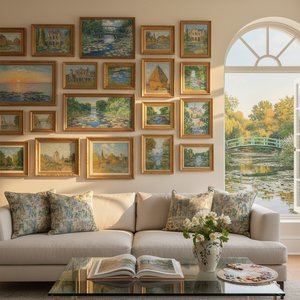
クロード・モネ傑作25選:光と色彩の印象派を彩る名画の世界 | OriginalUniqueArt
クロード・モネの傑作25選。印象派を代表する光の画家、モネの世界を旅しませんか?睡蓮や風景画など、名画の背景にある物語と芸術技法をご紹介。OriginalUniqueArtで高品質な複製画とインテリアアートを見つけましょう。全コレクションはこちら。

Bronze Sculptures That Defined Art History | OriginalUniqueArt
Journey through art history with our Top 10 bronze sculptures! Explore masterpieces by Rodin, Michelangelo & more. Discover stories behind iconic statues and find museum-quality reproductions for your home decor at OriginalUniqueArt.com.
