

 設置イメージを確認
 送る
送る シェア
シェア
 詳細情報
詳細情報 ガイドを表示

 画像をダウンロード
 似ている作品
 X線調査
X線調査 スライドショー
 統計情報
統計情報Montesquieu


 続きを読む
続きを読む
手描き油彩複製画
当社のアーティストが、お客様のご希望のサイズと額縁に合わせて、キャンバスに手描きで制作する油彩画です。 ( プリント版に切り替え デジタル画像販売へ切り替え)




P118B $10

P118H $10

P118W $10

P438Z $10

P508JH $12

P508YH $12

P805H $10

P805Z $10

P919BZ $10

P919G $10

P919XJ $10

P959ZH $10

P968JZ $12

W106C $8

W218G $10

W218JH $8

W218Y $10

W307PJ $10

W316G $10

W316PJ $8

W316Y $10

W398PJ $8

W4111J $10

W500HY $15

W500JH $15

W692G $12

W849H $8

W940BG $15

W953PJ $8




作品のオリジナル比率に合わせた、当店の規定サイズからお選びください。

特定のフレームやスペースに合わせて、ご希望のサイズをご入力いただけます。選択されたサイズが元の画像の比率と異なる場合、アートワークをトリミングするか、手描きで要素を追加して絵画を拡張いたします。デジタルモックアップ を制作し、制作開始前にご確認(承認)をいただきます。
画面上のプレビューは、実際のトリミングや拡張を正確に反映しているものではありません。最終的な構図は、モックアップによってのみ正確にご確認いただけます。
カスタムサイズもご利用いただけますが、元の比率を維持するためには、あらかじめ用意されたリストからサイズを選択することをお勧めいたします。
ご注文後、OriginalUniqueArt.com チームより詳細な指示をお送りするとともに、仕上がりイメージ(モックアップ)をご提供いたします。


 ガラスオプションは、110cm未満のサイズでのみご利用いただけます。

Montesquieu
再現技法
複製画サイズ一覧
-


合計金額
$ 300
The Stoic Scholar: An Encounter with Claude Michel (Clodion)’s “Montesquieu”
Standing before Claude Michel’s (Clodion) marble statue of Montesquieu, one is immediately struck by the profound stillness and contemplative power emanating from the figure. This isn't merely a portrait; it’s an embodiment of Enlightenment thought, a frozen moment of intellectual rigor captured in exquisitely polished white marble. The sculpture, created in 1783, resides within a museum setting, its reflective surface mirroring the surrounding space and subtly expanding the sense of grandeur. Clodion, a master sculptor working primarily in Paris during this period, expertly rendered the likeness of the influential French philosopher, Jean-Jacques Rousseau’s friend and political theorist, Charles de Montesquieu. The statue invites quiet observation, prompting reflection on the nature of reason, justice, and the complexities of governance – themes central to Montesquieu's groundbreaking work, *The Spirit of Laws*.
Neoclassical Form and Subtractive Technique
Clodion’s style firmly anchors this piece within the Neoclassical tradition. This movement, which flourished in Europe during the late 18th and early 19th centuries, sought to revive the artistic ideals of ancient Greece and Rome. The statue's composition—the seated figure, the draped garment, the carefully modeled musculature—all echo classical forms. However, Clodion’s approach transcends mere imitation; he imbues the sculpture with a distinctly modern sensibility. The technique itself is crucial to understanding the work’s impact. Marble carving is an inherently subtractive process – the sculptor begins with a massive block of stone and meticulously removes material until the desired form emerges. This painstaking method, combined with Clodion's masterful control of light and shadow, results in surfaces that appear almost impossibly smooth and luminous. The subtle variations in tone within the marble—a hint of grey near the folds of the robe, a brighter sheen on the exposed flesh—create an illusion of depth and texture, mimicking the tactile qualities of the stone itself.
Symbolism Within the Pose: Authority and Reflection
The pose of Montesquieu is deliberately powerful yet restrained. He’s seated in a classical chair, his posture erect, suggesting authority and intellectual strength. His hands rest upon a book – a clear reference to his extensive writings on law and political philosophy. However, it's not a gesture of triumphant pronouncements; rather, it conveys a sense of thoughtful deliberation. The gaze is directed slightly downward, as if lost in contemplation, inviting the viewer to join him in a shared intellectual journey. The mirrored wall behind the statue further amplifies this effect, creating an echo of the figure and suggesting a deeper level of introspection. It’s a visual metaphor for Montesquieu's own ideas – reflecting back upon society and offering insights into its structure and function.
A Legacy in Stone: Clodion’s Artistic Voice
Claude Michel (Clodion), born Benjamin West in 1738, was a pivotal figure in the transition between Neoclassicism and Romanticism. His early career in America, where he honed his skills painting portraits of prominent figures, provided him with a strong foundation in realism and observation. Later, he moved to Paris, embracing the challenges and opportunities of the European art scene. Clodion’s work is characterized by its dramatic lighting, dynamic compositions, and often theatrical flair. While “Montesquieu” represents his more restrained and contemplative side, it nonetheless showcases his exceptional technical skill and his ability to capture the essence of his subject. Reproductions of this statue offer a remarkable opportunity to experience the enduring power of Neoclassical sculpture – a testament to the artist’s vision and the timeless relevance of Enlightenment ideals. The piece stands as a powerful reminder that art can not only reflect history but also invite us to engage with its profound questions.
アーティストについて
ベンジャミン・ウエスト:世界を繋ぎ、歴史を描き出す
1738年、ペンシルベニア州スプリングフィールドに生を受けたベンジャミン・ウエスト。彼の幼少期を物語るその地は、今では大学のキャンパスとなって彼の足跡を静かに伝えています。質素な家庭から国際的な名声へと駆け上がった彼の軌跡は、独学で磨き上げた芸術性と、決して揺らぐことのない野心の証といえるでしょう。しかし、彼の物語は単なる才能の開花に留まりません。それは、胎動するアメリカの精神、ヨーロッパにおけるパトロネージュ(後援)の複雑な構造、そして変遷し続ける芸術的嗜好そのものが織りなす壮大な叙事詩なのです。父ジョン・ウエストが営むニュータウン・スクエアの賑やかな酒場の中で育った若きベンジャミンは、母の励ましを受けながら、周囲の世界を捉える類まれな感覚を養っていきました。伝えられるところによれば、彼は先住民から伝統的な顔料の作り方を学んだという逸話さえ残っており、その探究心は幼い頃から溢れ出ていたのです。
ウエストの芸術的発展は、極めて型破かなものでした。正規の美術教育こそ受けていませんでしたが、フィラデルフィアで肖像画家としての地位をいち早く確立し、地元の依頼を集めることで、25歳での運命的なヨーロッパ移住に必要な資金を蓄えました。この決断が彼の人生の転換点となり、彼をヨーロッパ芸術界の中心へと押し上げ、後に壮大な歴史画や有力な人脈によって定義されることになる輝かしいキャリアの舞台を整えたのです。イタリアでの初期の歳月は、徹底した研鑽に捧げられました。ティツィアーノ、ラファエロ、レンブラントといった巨匠たちの作品を丹念に模写し、その技法や構図、光と色彩への深い理解を吸収していきました。この時期の活動は単なる模倣ではありませんでした。それは自らの技術を研ぎ澄ませ、独自のスタイルを確立するための、極めて意識的な基礎固めのプロセスだったのです。
ロンドンにおける躍進
1763年、ロンドンへの到着は彼の運命を劇的に変えました。彼はヨーク大司教をはじめとする有力なパトロンとのネットワークを瞬く間に築き上げ、その縁によって国王ジョージ3世と出会うことになります。この邂逅こそが、彼のキャリアを決定づけることとなりました。国王からの称賛を受け、ウエストは宮廷画家および国王絵画監督という要職に任命されました。これらの地位は、彼に王室の依頼への比類なきアクセス権をもたらし、イギリス美術界における指導的な存在としての地位を不動のものにしました。この地位の上昇は、古典古代の再発見に触発された「新古典主義」へと向かう、芸術的嗜好の大きな転換期とも重なっています。ウエストはこの潮流を見事に捉え、秩序、明晰さ、そして道徳的な主題を自らの作品へと融合させていったのです。
彼の最も輝かしい業績である『ジェネラル・ウルフの死』(1770年)は、まさにこの変遷を象徴しています。ケベックの戦いという歴史的転換点を描いたこの記念碑的な作品は、古典的な歴史画の様式を用いながら、当時の軍事的な情景を描き出すことで、既存の慣習を打ち破りました。英雄的な戦いの伝統的な描写から離れ、登場人物に現代の軍服を纏わせた決断は、極めて革命的であり、即座に批評家たちの喝采を浴びました。『ウルフの死』の成功はウエストを国際的な名声へと押し上げ、イギリス美術における主要な勢力としての地位を確立させると同時に、革新性と王室の好みを満たす能力の両立を証明したのです。
アメリカ人芸術家たちの守護者として
自らの多作な活動に留まらず、ベンジャミン・ウエストは次世代のアメリカ人芸術家を育成する上で極めて重要な役割を果たしました。美術修行のためにヨーロッパへ渡る同胞たちの可能性を見出し、彼は自身のスタジオを志ある画家たちのための聖域として開放したのです。チャールズ・ウィルソン・ピール、ギルバート・スチュアート、ジョン・トランブルといった数多くの才能ある人物を指導し、彼らの多くは後に自らも大きな成功を収めることとなりました。ウエストの寛大さは単なる指導に留まりませんでした。彼はギャラリーへのアクセスを助け、有力者へと画家たちを紹介し、アメリカ美術界の中に連帯感とコミュニティを育んだのです。
ウエストの影響力は教え子たちだけに留まりませんでした。彼は、意味深い芸術を生み出すためには歴史と神話への深い理解が不可欠であると信じ、古典古代の研究を積極的に推進しました。彼自身の作品もまた、歴史的な出来事や神話の物語からしばしばインスピレーションを得ており、道徳的な重みと劇的なインパクトを持って物語を描き出そうとする彼の信念を反映していました。『マルタ島での難破後の聖パウロの救済』や『病人を癒やすキリスト』といった後年の作品には、進化し続ける彼のスタイルと、壮大な歴史的構図に対する変わらぬ献身が刻まれています。
遺産と歴史的意義
5十年以上にわたるベンジャミン・ウエストのキャリアは、アメリカおよびイギリスの美術の進路を深く形作りました。彼は単なる画家ではありませんでした。彼は先駆者であり、革新者であり、そしてイギリス美術界の礎となったロイヤル・アカデミー設立における鍵となる人物だったのです。新古典主義への傾倒、画期的な『ジェネラル・ウルフの死』、そしてアメリカ人芸術家たちのメンターとしての役割は、18世紀美術における最も重要な人物の一人としての彼のレガシーを確固たるものにしました。
ウエストの物語がこれほどまでに心を打つのは、それが稀有な状況の結実だからです。才能、パトロネージュ、そして芸術的潮流に対する鋭い洞察力を武器に、独学から頂点へと昇り詰めた人物の姿がそこにあります。彼はアメリカとヨーロッパの架け橋となり、文化交流を促進し、今日でもアーティストたちにインスピレーションを与え続ける豊かな芸術的遺産を残しました。彼の生涯と作品は、18世紀美術というダイナミックな世界と、人間の創造力が持つ不朽の力を、私たちに鮮やかに見せてくれるのです。

クロード・ミシェル (クロディオン)
1738 - 1814 , アメリカ
アーティスト情報
- Artistic Movement Or Style: 新古典主義、歴史画
- Artists Or Movements Influenced By This Artist:
- コープリー
- ロマン主義
- Artists Who Influenced This Artist:
- ティツィアーノ
- ラファエロ
- メンクス
- Date Of Birth: 1738年10月10日
- Date Of Death: 1820年3月11日
- Full Name: ベンジャミン・ウエスト
- Nationality: アメリカ
- Notable Artworks:
- ネルソンの死
- ウルフェの死
- パリ条約
- Place Of Birth: ペンシルベニア州スプリングフィールド
関連記事

Bronze Sculptures That Defined Art History | OriginalUniqueArt
Journey through art history with our Top 10 bronze sculptures! Explore masterpieces by Rodin, Michelangelo & more. Discover stories behind iconic statues and find museum-quality reproductions for your home decor at OriginalUniqueArt.com.
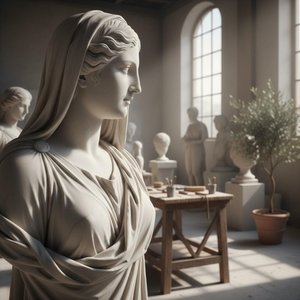
Timeless Elegance: A Complete Guide to the Sublime Beauty and Artistry of Marble Sculpture
Discover the sublime beauty of marble art through an expert exploration of Renaissance and Neoclassical masterpieces. From the delicate textures of Carpeaux to the grandeur of Sansovino, immerse yourself in a guide to timeless elegance and sculptural perfection.

Bronze Age to Modern Masters: 10 Sculptures That Redefined Art | OriginalUniqueArt
Journey through art history with 10 legendary bronze sculptures – from Michelangelo's David to Rodin’s Thinker. Explore the stories, techniques & timeless beauty of these masterpieces. Find museum-quality reproductions & elevate your home decor on OriginalUniqueArt.com.
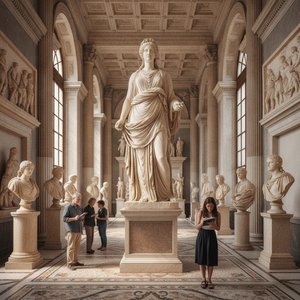
Timeless Grandeur: Exploring the Eternal Beauty and Art-Historical Legacy of Marble Sculpture
Explore the profound legacy of marble sculpture, from Classical antiquity to Neoclassical mastery. A definitive guide for elite collectors and designers seeking to integrate the luminous, eternal beauty of stone into sophisticated, high-end architectural spaces.

The Enduring Allure of Marble in Art History: From Classical Sculpture to Modern Abstraction
Explore the captivating history of marble sculpture from ancient Greece to modern art. Discover renowned artists like Canova & Michelangelo, carving techniques, and investment insights at OriginalUniqueArt.