
 設置イメージを表示
 シェアする
シェアする シェアする
シェアする
 詳細を見る
詳細を見る ガイドを表示

 ダウンロード
 似ている作品
 X線調査
X線調査 スライドショーを表示
 Q&A
Q&A 統計情報
統計情報Virgin Enthroned with Angels

- 424.0 x 276.0 cm


 詳細を表示
詳細を表示
ジークレー/アートプリント
スピーディーな制作と多彩な仕上げオプションが魅力の、ミュージアムクオリティなジークレー・キャンバスプリント。 ( 手描き複製画を注文する デジタル画像販売へ切り替え)




P118B ¥10

P118H ¥10

P118W ¥10

P438Z ¥10

P508JH ¥12

P508YH ¥12

P805H ¥10

P805Z ¥10

P919BZ ¥10

P919G ¥10

P919XJ ¥10

P959ZH ¥10

P968JZ ¥12

W106C ¥8

W218G ¥10

W218JH ¥8

W218Y ¥10

W307PJ ¥10

W316G ¥10

W316PJ ¥8

W316Y ¥10

W398PJ ¥8

W4111J ¥10

W500HY ¥15

W500JH ¥15

W692G ¥12

W849H ¥8

W940BG ¥15

W953PJ ¥8




作品のオリジナル比率に合わせた、当店の規定サイズからお選びください。

額縁や壁のスペースに合わせて、ご希望の幅と高さを入力してください。プリントはカットすることは可能ですが、元の画像より大きくすることはできないため、異なる比率のサイズを選択された場合は、画像の一部が欠けることになります。印刷を開始する前に、内容を確認していただくためのデジタルモックアップをお送りいたします。このページに表示されている画像は、実際のカット後の状態を示すものではありません。実際の仕上がりはモックアップにてご確認ください。


 ガラスオプションは、110cm未満のサイズでのみご利用いただけます。

Virgin Enthroned with Angels
ジークレー/アートプリント
複製画サイズ一覧
-


合計金額
¥ 12823
A Dawn of Innovation: Cimabue’s Virgin Enthroned with Angels
Giovanni Cimabue, born Cenni di Pepo around 1240 in Florence, represents a pivotal moment in the artistic landscape—a courageous leap from the rigid formalism of Byzantine iconography towards the burgeoning humanist spirit that would soon characterize the Italian Renaissance. While Vasari’s accounts portray him as a figure shrouded in myth and legend, scholarly research confirms Cimabue's significance as a trailblazer who subtly challenged established conventions, laying the groundwork for transformative developments in Western art. His nickname, “bull-headed,” aptly captures his unwavering determination—a quality evident in his audacious experimentation with form and expression. He wasn’t merely replicating religious imagery; he was actively reshaping it, initiating a dialogue between tradition and innovation that would resonate throughout subsequent generations of artists.The Byzantine Legacy Reflected
Cimabue's artistic vision firmly rooted itself within the traditions of Byzantium—the Eastern Roman Empire—which dominated European art for centuries prior to his time. Like many Florentine painters of his era, Cimabue drew inspiration from the monumental mosaics and frescoes adorning churches in Constantinople (modern Istanbul), prioritizing clarity of line and flattened perspective to convey spiritual grandeur. The influence of Byzantine iconography is palpable in Cimabue’s depiction of Mary—a serene Madonna seated upon a throne crafted with meticulous detail, embodying divine majesty. This deliberate stylistic choice underscores the importance of preserving sacred imagery while simultaneously hinting at a desire for artistic advancement.A Masterpiece of Fresco Technique
Cimabue's *Virgin Enthroned with Angels* exemplifies the mastery of fresco technique—a method involving applying pigment onto wet plaster—which was considered the pinnacle of painting achievement during the 13th century. The artist skillfully utilized tempera pigments mixed with lime to achieve vibrant colors and luminous effects, creating a surface that appears remarkably durable despite its age. Careful observation reveals subtle gradations of tone and texture, demonstrating Cimabue’s meticulous attention to craftsmanship. This technique ensured that the painting would withstand the passage of time, preserving its beauty for centuries to come—a testament to Cimabue's dedication to artistic excellence.Symbolism Embodied in Detail
Beyond its technical prowess, *Virgin Enthroned with Angels* is rich in symbolic meaning. The throne itself represents divine authority and permanence, reflecting Mary’s role as Queen of Heaven. The angels surrounding the Virgin are depicted with graceful drapery and expressive gestures—symbols of humility and devotion—emphasizing the sanctity of the scene. Furthermore, the inclusion of prophets adds to the narrative complexity, reminding viewers of God's promise of salvation. Cimabue’s masterful composition skillfully communicates theological concepts through visual elements, elevating the artwork beyond mere representation into a profound meditation on faith and spirituality.Emotional Resonance: A Window Into Medieval Devotion
The painting evokes a powerful emotional response—a sense of serenity and reverence that speaks to the enduring appeal of medieval religious art. The luminous gold leaf adorning the throne and draperies imbues the image with an ethereal glow, transporting viewers back to a time when faith permeated every aspect of daily life. Cimabue’s depiction captures not only the visual splendor of Byzantine tradition but also its underlying spiritual essence—a legacy that continues to inspire artists and collectors alike. The *Virgin Enthroned with Angels* stands as a timeless masterpiece—a poignant reminder of humanity's yearning for transcendence and divine grace.Q&A
チマブーエには、他にどのような別名や通称がありますか?
「Virgin Enthroned with Angels」の作者であるチマブーエには、他にシマブエといった名称でも記録されています。
チマブーエ作「Virgin Enthroned with Angels」の向き(横長・縦長)はどちらですか?
チマブーエ作「Virgin Enthroned with Angels」はPortraitの構図です。プリントサイズを選択する前に、アスペクト比(縦横比)をご確認いただくことをお勧めします。
チマブーエ作「Virgin Enthroned with Angels」のスライドショーはありますか?
「Virgin Enthroned with Angels」のスライドショーは、作品のスライドショーページでご覧いただけます。
作家プロフィール
シマブエの生涯とアイデンティティ
イタリア、フィレンツェの活気あふれる街並みの中で、ジョヴァンニ・シマブエという名の男が1240年頃にその生を始めました。チェンニ・ディ・ペポ、あるいはチェンニ・ディ・ペピという名でも知られる彼は、自らの時代の視覚言語を形作る運命を背負った人物でした。画家であり、モザイクの設計者でもあった彼は、繊細な筆先と、時を超えて残る石の双方を操る熟練の職人でした。その精神は非常に強く、時には反抗的ですらあったと言われ、「牛のように頑固な決意」を暗示するあだ名で呼ばれることもありました。しかし、その強情さは決して欠点ではなく、むしろビザンツ様式という厳格な伝統を凝視しながら、より人間的な何かを追い求めるための原動力となったのです。
彼の歩みは、絶え間ない変化と進化する目的の連続でした。その根底にはフィレンツェの伝統が深く根を張っていましたが、彼の作品はトスカーナの風景を越えて広がっていきました。彼は単に過去の聖像を複製することに甘んじることはありませんでした。描かれる人物たちに、生命の息吹を吹き込もうと試みたのです。この野心は、光がどのように顔に降り注ぐべきか、あるいは身体がどのように空間を占めるべきかという探求へと彼を駆り立てました。彼は、古き良き時代の精神的な形式美を敬いながらも、より自然なレンズを通して世界を見るという新しい視座へと手を伸ばす、二つの世界の狭間に立つ表現者でした。
晩年、彼は生まれ故郷を離れ、海岸の街へと向かいました。そして1302年、ピサの地でその生涯を閉じました。その人生は、工房での静かな研鑽と、壮大なモザイク設計の営みに彩られていましたが、彼の存在はイタリア美術の歴史に消えることのない足跡を刻み込みました。激動の変革期を生きた彼は、後に続く者たちのために、過去と未来を繋ぐ架け橋となったのです。
生い立ちと芸術的修行
1240年頃、イタリアのフィレンツェに生を受けた、後にシマブエとして知られることになる若者は、ビザンツ様式の伝統が芸術の精神を依然として強く支配していた世界へと足を踏み入れました。彼はフィレンツェの街角で育ち、東方の重厚で黄金に輝く形式美と、より人間的なものへの新しく、落ち着きのない渇望が交差する風景の中で成長しました。その幼少期の詳細な記録は、数世紀という時の流れの中に霞んでしまっていますが、彼の初期の歩みがフィレンツェの工房における厳格な規律によって形作られたことは間違いありません。そこで彼は、繊細な媒体である卵テンペラを操る技術と、高度な専門性を要するモザイク画のデザイン術を学びました。これらの技術は、画家として、そしてモザイクの設計者として、彼の長い芸術人生を決定づけるものとなったのです。
彼の修行は、単に木板に顔料を塗る方法を学ぶことだけではなく、聖なる図像学(イコノグラフィー)という深遠な言語への没入でもありました。彼は、パネルそのものから放たれるかのような、煌めく金箔の装飾を通じて、光がいかにして神聖さを表現するかという手法を吸収していきました。しかし、こうした形成期においてさえ、ある種の強い意志が芽生え始めていました。彼は、過去の平面的な象徴図像を単に複製することに満足してはいなかったのです。むしろ、身体がいかにして空間を占めるかという試みを始め、それまでの先人たちの作品には欠けていた、人物に重みと存在感を与えることを追求しました。確立された宗教的伝統と、芽生えつつあった自然界への関心との間で揺れ動いたこの初期の葛藤こそが、シマブエの筆致を象徴する独自の個性となっていくことになります。
芸術的技法と進化する様式
静寂に包まれた工房でのたゆまぬ研鑽の中で、シマブエは、その時代を象徴する聖なる姿たちに、新たな生命の息吹を吹き込もうとしていました。彼は主に木製パネルに卵テンペラを用いる技法を駆使していましたが、それは忍耐強く、規律ある手つきを必要とする極めて繊細な媒体でした。宗教的な主題に求められる天上の輝きを表現するため、彼はしばしば、煌めく金箔を背景にこの顔料を重ねていきました。また、ある時は金箔を用いたディステンパー(膠絵具)を使い、神々しい光の感覚を創出することもありました。彼の筆致は、壮大なスケールのフレスコ画から、緻密で永続的なモザイクの文様に至るまで、驚くほど自在であり、大聖堂の壁面から祈りを捧げるための小さな祭壇画まで、その領域を縦横無尽に駆け巡っていました。
シマブエの芸術的ヴィジョンが成熟するにつれ、人体へのアプローチには微細な、しかし決定的な変化が現れ始めます。彼は、ビザンツ様式が伝統としてきた平面的で二次元的なシルエットから脱却し、代わりに、生身の肉体が持つ重みと存在感を捉えようと試みたのです。彼は、陰影をより洗練された方法で用いることで、輪郭線だけで描くのではなく、顔や手足に丸みと立体感を与えることに成功しました。こうした写実的な身体比率への関心の高まりは、彼が描く聖人や聖母たちが、その前に跪く人々にとって、より身近で実在感のある存在へと変貌を遂げたことを意味しています。彼はもはや、単なる象徴としての図像に満足してはいませんでした。彼は、肉体というものが、確かな重みと感情を宿した器であることを示そうとしていたのです。
- キリストの鞭打ち (1280年頃)
- キリストを嘲笑する人々 (1280年頃)
- 六人の天使に囲まれた荘厳なる聖母子像 (1270年)
主要な依頼作品と代表作
キャリアの初期におけるシマブエの作品群は、伝統という重圧と格闘し始めた一人の芸術家の姿を浮き彫りにしています。1268年頃、彼は苦悩に対する深い瞑想を表現した傑作として、後に研究対象となる十字架像を制作しました。これに続き、1270年頃にはアレッゾのサン・ドメニコに安置された十字架像が描かれ、そこではキリストの身体が自らの苦悶の重みに耐えかねて屈み込んでいるかのような、生々しい表現が見て取れます。同じ時期、彼は六人の天使に囲まれた荘厳なる聖母子像を制作しましたが、これは当時の確立された様式の中で彼の手腕が遺憾なく発揮された作品です。こうした初期の試みの中にさえ、過去の平面的で遠い存在であった聖なる図像を超越しようとする、熱き精神の胎動を感じ取ることができるのです。
歳月が流れるにつれ、彼の筆致はより大胆なものへと進化を遂げていきました。1278年までに、彼は幼子を伴う玉座の聖母、聖フランシスコと四人の天使を完成させ、聖なる存在に新たな実在感をもたらす構図を確立しました。この進化は次の十年へと引き継がれます。1280年頃、現在はルーヴル美術館に収蔵されているマエスタ(荘厳なる聖母)や、空間的関係性への関心の高まりを示唆する複雑な場面を描いたキリストの鞭打ちが制作されました。シマブエは多才な芸術家であり、モザイク画の分野でもその手腕を振るい、フィレンツェ洗礼堂の石畳にその足跡を刻み込んだのです。
晩年の作品は、量感と人間の感情を表現する洗練された能力を如実に示しています。1285年に描かれた荘厳なる聖母の細部を見れば、聖母の肉体的な実在感を示唆する繊細な陰影の使い方が見て取れます。13世紀のキリストの嘲笑のような、より小規模で親密な作品においてさえ、人間の経験を捉える彼の卓越した能力は明白です。その創作活動は、巨大な祭壇画から小さな祈りのためのパネルに至るまで、極めて広範な領域にわたっていました。
- キリストの嘲笑(13世紀)
師匠と、その偉大なる弟子
シマブエの遺志は、フィレンツェの工房で彼の傍らに座した弟子たちの手を通じて、次なる時代へと受け継がれていきました。その中でも最も重要な弟子の一人が、ジョット・ディ・ボンドーネです。ジョットはシマブエの指導のもと、画家としての極めて重要な基礎を築き上げました。二人の関係性は、画家が到達しうる表現の境界線を押し広げるような、ダイナミックなものであったと言われています。ある逸話によれば、修行時代、若き日のジョットがシマブエの制作中の肖像画に、いたずら心で一匹のハエを描き込んだことがありました。その小さな悪戯は、師に勝るとも劣らぬ、自由で旺盛な精神を彼が備えていたことを物語っています。後にジョットがより急進的な自然主義へと歩みを進めることになりますが、その礎となったのは、形態と表現に対するシマブエの進化し続けるアプローチから学んだ教えであったのです。
この有名な師弟関係にとどまらず、シマブエの影響力は、彼の芸術的な軌道の中にいた他の才能ある画家たちにも及んでいました。その一人が、シマブエの主要な弟子の一人と目されているヴァルルンゴの巨匠です。この画家もまた、シマブエが端緒を開いた様式の変遷を吸収しながら、同じ変革の時代を駆け抜けました。こうした弟子たちを通じて、厳格なビザンツ様式から、より人間味あふれるヒューマニズム的な様式への転換が推し進められ、巨匠が成し遂げた革新は、イタリアの画家たちの世代を超えて、大きな波紋のように広がっていくこととなったのです。
シマブエの傑作を辿る旅
シマブエの筆跡を辿ることは、ヨーロッパの偉大な都市、そしてその先へと続く壮大な旅をすることに他なりません。パリのルーヴル美術館には、かつてピサのサン・フランチェスコ教会を彩った傑作「マエスト」が鎮座しています。また、同美術館は2023年に「キリストをあざける人々」を新たに迎え入れました。これらの作品は、かつての聖なる空間から現代の公共のギャラリーへと、彼の筆致がいかに時空を超えて受け継がれてきたかを私たちに語りかけてくれます。
彼の芸術精神は、今なおイタリアの風景の中に深く根ざしています。フィレンツェのウフィツィ美術館には、進化を続ける彼の筆致を間近に感じさせる「荘厳なる聖母」の一部が大切に保管されています。また、ピサのドゥオモ美術館には、「聖母と福音書記者聖ヨハネの間に座すキリスト」の細部が残されています。さらにアッシジへと足を運べば、「四人の天使と聖フランチェスコを伴う、幼子を抱く荘厳なる聖母」に出会うことができ、アレッゾのサン・ドメニコ聖堂には、古い伝統からの脱却を鮮烈に示す「十字架像」が安置されています。
シマブエの影響力は海を越え、フィレンツェの故郷から遠く離れた地のコレクションにもその足跡を残しています。ニューヨークのフリック・コレクションには「キリストの鞭打ち」が、ロンドンのナショナル・ギャラリーには「十字架像」の一部が収められています。世界各地に点在するこれらの至宝は、何世紀にもわたって彼の遺産を守り続けてきた、数多の人々の情熱を私たちに思い出させてくれるのです。

チマブーエ
1240 - 1302 , イタリア
プロフィール概要
- Artistic Movement Or Style: ビザンチン様式とルネサンス様式
- Artists Or Movements Influenced By This Artist: ['ジョットト・ディ・ボンドネ']
- Artists Who Influenced This Artist: ['ギウント・ピサノ」「コッポ・ディ・マルコバルド']
- Date Of Death: 1302年
- Full Name: Giovanni Cimabue
- Nationality: イタリア人
- Notable Artworks: ['マエストラ」「十字架」「イエス・キリストの鞭打ち']
- Place Of Birth: フィレンツェ、イタリア
関連記事

Embodying the Polis: Civic Virtue as Subject & Symbol in Western Art
Explore the fascinating history of civic virtue in Western art! From ancient Greece to the French Revolution, discover how artists depicted ideals of citizenship, duty & republicanism. Expert analysis at OriginalUniqueArt.
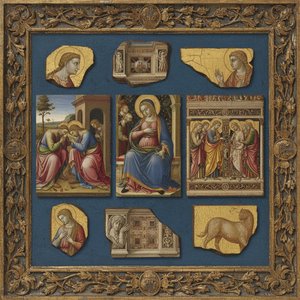
Proto-Renaissance Masters: 10 Artworks That Changed History | OriginalUniqueArt
Journey back to the dawn of Renaissance art! Explore 10 iconic Proto-Renaissance masterpieces by Giotto, Cimabue & Duccio. Discover their stories, techniques & lasting impact. Find museum-quality reproductions for your home at OriginalUniqueArt.com

25 Masterpieces of the Sistine Chapel: A Journey Through Michelangelo's Divine Art
Step into the divine beauty of the Sistine Chapel. Explore 25 iconic Renaissance masterpieces by Michelangelo and more. From breathtaking frescoes to timeless legends, find inspiration for museum-quality art reproductions. Discover all masterpieces on OriginalUniqueArt.com.

25 Masterpieces of the Sistine Chapel: A Journey Through Michelangelo's Divine Art
Step into the divine beauty of the Sistine Chapel. Explore 25 iconic Renaissance masterpieces by Michelangelo and more. From breathtaking frescoes to timeless legends, find inspiration for museum-quality art reproductions. Discover all masterpieces on OriginalUniqueArt.com.

Simone Martini: Innovation, Spirituality & Courtly Refinement in Sienese Painting
Explore the captivating world of Simone Martini, a pivotal figure in Sienese painting & the International Gothic style. Discover his innovative techniques, spiritual depth, and lasting influence on early Renaissance art.


