
 シェアする
シェアする シェアする
シェアする
 詳細を見る
詳細を見る ガイドを表示

 ダウンロード
 似ている作品
 スライドショーを表示
 Q&A
Q&A 統計情報
統計情報Industrial Architecture

- 26.0 x 36.0 cm


 詳細を表示
詳細を表示
このページに掲載されている作品は著作権法によって保護されており、当社の許可なく同一の複製物を制作または販売することは法律で禁じられています。この保護は、以下のような国際条約に基づき執行されます。 ベルヌ条約 および、以下の条項に定められたものを含む各国の法律により、 米国著作権法 第17編。
この手法は、著作権で保護された作品の複製や複写を伴わないため、著作権法に完全に準拠しています。これは単なる模倣ではなく、創造的な再解釈です。元の作品からインスピレーションを受けつつも、それとは異なる、全く新しい絵画を生み出すものです。
ジークレー/アートプリント
スピーディーな制作と多彩な仕上げオプションが魅力の、ミュージアムクオリティなジークレー・キャンバスプリント。 ( 手描き複製画を注文する デジタル画像販売へ切り替え)




































作品のオリジナル比率に合わせた、当店の規定サイズからお選びください。

額縁や壁のスペースに合わせて、ご希望の幅と高さを入力してください。プリントはカットすることは可能ですが、元の画像より大きくすることはできないため、異なる比率のサイズを選択された場合は、画像の一部が欠けることになります。印刷を開始する前に、内容を確認していただくためのデジタルモックアップをお送りいたします。このページに表示されている画像は、実際のカット後の状態を示すものではありません。実際の仕上がりはモックアップにてご確認ください。


 ガラスオプションは、110cm未満のサイズでのみご利用いただけます。

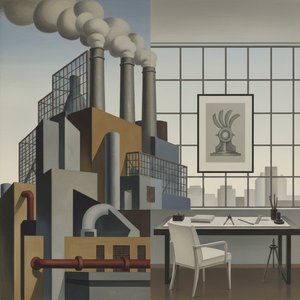
Industrial Architecture
ジークレー/アートプリント
複製画サイズ一覧
-


合計金額
¥ 12801
Charles Sheeler's "Industrial Architecture": A Precisionist Masterpiece
This meticulously crafted hand-painted reproduction captures Charles Sheeler’s seminal work, “Industrial Architecture,” a pivotal piece in the development of American Precisionism. Executed in 1931, this image transcends a simple depiction of an industrial site; it's a carefully constructed meditation on modernity, industry, and the burgeoning relationship between humanity and machine. The photograph, originally taken by Sheeler himself, serves as the foundation for this stunning artistic interpretation, showcasing his keen eye for geometric forms and stark contrasts that would become hallmarks of his style.
The Precisionist Vision
Born in Philadelphia in 1883, Charles Sheeler’s artistic journey was shaped by a rigorous education – initially at the Pennsylvania Museum School of Industrial Art and subsequently at the Pennsylvania Academy of Fine Arts. This training instilled within him a disciplined approach to observation and representation, culminating in his development of Precisionism. Unlike Impressionism's focus on fleeting moments, or Post-Impressionism’s emotional expression, Sheeler sought to depict subjects with an almost photographic clarity, emphasizing precise lines, sharp angles, and the inherent order found within industrial landscapes. The influence of European masters like Giotto, Masaccio, and Piero della Francesca is subtly present in his work, particularly in the careful rendering of form and space – a testament to his deep understanding of classical composition.
- Geometric Forms: The dominant motif is the precise arrangement of rectilinear shapes—the building’s walls, windows, and the imposing crane—creating a dynamic visual rhythm.
- Monochromatic Palette: The use of black and white amplifies the starkness and emphasizes the industrial subject matter, mirroring the austerity often associated with early 20th-century factories and urban environments.
- Sharp Detail: Sheeler’s meticulous attention to detail is evident in every element, from the texture of the metal crane to the reflections on the building's surface.
Symbolism and Context – A Reflection of Modernity
“Industrial Architecture” was created during a period of rapid industrialization and urbanization in America. The image powerfully reflects this era, capturing the rise of factories, railroads, and other technological advancements that were transforming American society. The crane itself is a potent symbol—representing progress, power, and the relentless drive for efficiency. The presence of the human figure, a solitary observer within the vast industrial landscape, adds another layer of interpretation, suggesting humanity’s role as both participant and witness to this transformative period. Sheeler's interest in architecture stemmed from his work documenting buildings for architects, demonstrating a fascination with structure and form.
Artistic Technique & Reproduction Details
This hand-painted reproduction is created using traditional techniques, meticulously replicating Sheeler’s original vision. Skilled artisans have painstakingly recreated the image, capturing not only the visual elements but also the subtle nuances of light and shadow that define his style. The resulting artwork boasts exceptional detail and color fidelity, ensuring a faithful representation of the original photograph. The size of 26 x 36 cm makes it ideal for a variety of interior design settings – from modern apartments to corporate offices. This reproduction is more than just an image; it’s a tangible connection to a significant moment in American art history.
Size: 26 x 36 cm
Date: 1931
Artist: Charles Sheeler Junior
Q&A
「Industrial Architecture」の技法とサイズを教えてください。
原画のチャールズ・シーラー作「Industrial Architecture」は、サイズ26 x 36 cmのGiclée Printによる作品です。技法およびサイズは原画の仕様を表しています。
チャールズ・シーラー作「Industrial Architecture」の複製画は、お部屋にどのような雰囲気をもたらしてくれるでしょうか?
Industrialな雰囲気を持つ「Industrial Architecture」は、Officeに飾るのがおすすめです。
「Industrial Architecture」はいつの時代のものですか?
チャールズ・シーラー作「Industrial Architecture」は19th Century時代の作品です。この時代背景が、本作の歴史的な文脈を形作っています。
作家プロフィール
生い立ちと教育
チャールズ・レットウィグ・シーラー・ジュニアは、アメリカの画家であり写真家でもあった人物で、1883年にフィラデルフィアに生を受けました。彼の芸術的探求の旅は、1900年から1903年にかけてのペンシルベニア・ミュージアム・スクール・オブ・インダストリアル・アートでの学びから始まり、その後ペンシルベニア・アカデミー・オブ・ファイン・アーツ(1903-6年)にて、デッサンと絵画の伝統的な技法を深く修めました。この厳格な教育こそが、後に彼が「プレシジョニズム(精密主義)」の先駆者として輝かしい成功を収めるための揺るぎない礎となったのです。キャリアと芸術的影響
シーラーの初期の作品には、ヨーロッパへの旅がもたらした深い精神性が宿っています。彼は中世後期のイタリア絵画に魅了され、特にジョット、マサッチョ、そしてピエロ・デラ・フランチェスカといった巨匠たちの世界に心酔しました。さらに1909年、ピカソやブラックの初期のパトロンであったマイケルとサラ・スタイン夫妻のパリの邸宅を訪れたことは、彼の表現に革命をもたらします。そこで触れたキュビスムのスタイルは、彼独自のプレシジョニズム的なアプローチへと昇華されていきました。数々の芸術運動との邂逅が、彼の視覚的言語を形作ったのです。写真とプレシジョニズムの融合
シーラーは独学で写真技術を習得し、当初は建築家のために地元の建造物を記録する活動に努めていました。やがて彼は自邸の内部をもレンズへと向け、光と影を用いて荒削りな空間に新たな命を吹き込んでいきました。この写真における探求こそが、極限の精度と正確さを追求するプレシズムニズムという独自の様式を生み出す原動力となったのです。代表作とその遺産
シーラーが残した芸術的足跡は、今なお色褪せることがありません。彼の卓越した光と構図の技術を示す作品として、「ドイルスタウンの農場の階段」が挙げられます。また、機能的なデザインの中に潜む美しさを浮き彫りにした地元の民俗建築の写真群も、彼の真骨頂といえるでしょう。彼の作品はニューヨーク近代美術館(MoMA)やメトロポリタン美術館をはじめとする世界的な展覧会で高く評価されてきました。シーラーの遺産は、単なる個人の作品に留まらず、後世のアーティストや写真家たちに多大な影響を与え続けています。OriginalUniqueArt.comでさらに詳しく探る
- シーラーの作品集を見る: https://AllPaintursosStore.com/@/charles-rettew-sheeler-junior
- 他のプレシジョニズムの芸術家を発見する: /ja/art/show/art-93pvdx-ja/
- 1883年7月16日: ペンシルベニア州フィラデルフィアにて誕生
- 1965年5月7日: ニューヨーク州ドブスフェリーにて逝去
参考文献
- メトロポリタン美術館: チャールズ・シーラー (1883–1965)
- Wikipedia: チャールズ・シーラー ### OriginalUniqueArt.comからのリンク: - /ja/art/list/ - https://OriginalUniqueArt.com/@/charles-rettew-sheeler-junior

チャールズ・シーラー
1883 - 1965 , アメリカ合衆国
プロフィール概要
- Artistic Movement Or Style: プレシジョニズム
- Artists Or Movements Influenced By This Artist: ['キュビスム']
- Artists Who Influenced This Artist:
- ジョット
- マサッチオ
- ピエロ・デッラ・フランチェスカ
- Date Of Birth: 1883年7月16日
- Date Of Death: 1965年5月7日
- Full Name: チャールズ・レッテウ・シーラー・ジュニア
- Nationality: アメリカ
- Notable Artworks:
- 農場の階段、ドイルスタウン
- 祝祭の積み藁
- 農舎をテーマに -2
- Place Of Birth: ペンシルベニア州フィラデルフィア
関連記事

Giclée Prints: Archival Quality & Aesthetic Nuances for the Discerning Collector
Explore the world of giclée prints with OriginalUniqueArt. Learn about archival quality, aesthetic nuances & investment potential. Expert guidance for discerning art collectors seeking museum-quality reproductions and lasting value.

Beyond Color: The Timeless Power and Artistry of Black and White Photography
Explore the profound artistry of black and white photography. From the chemistry of gelatin silver to the chiaroscuro of the Old Masters, discover how monochrome captures the eternal essence of light, form, and emotion for the discerning art collector.

White on Canvas: 10 Masterpieces & Timeless Elegance for Your Home Decor
Explore 10 iconic white paintings by Monet, Whistler & Rothko! Discover the stories behind these serene masterpieces and their impact on art history. Find museum-quality reproductions for your home decor at .

Dark Masterpieces: 10 Iconic Paintings Dominated by Black Tones |
Explore 10 iconic paintings dominated by black tones, from Rembrandt’s chiaroscuro to Goya's dark expressions. Discover the stories behind these masterpieces & find museum-quality art reproductions for your home at .
Charles Sheeler Jr.: Precisionism, Industrial Aesthetics & the American Modernist Vision
Explore the groundbreaking work of Charles Sheeler Jr., a pivotal figure in American Precisionism. Discover his iconic industrial landscapes, photographic studies & lasting influence on modernist art. Expert insights for collectors.