

 設置イメージを確認
 送る
送る シェア
シェア
 詳細情報
詳細情報 ガイドを表示

 画像をダウンロード
 似ている作品
 X線調査
X線調査 スライドショー
 統計情報
統計情報The Repentant Magdalen (detail)


 続きを読む
続きを読む
ジークレー/アートプリント
スピーディーな制作と多彩な仕上げオプションが魅力の、ミュージアムクオリティなジークレー・キャンバスプリント。 ( 手描きの複製画を注文する デジタル画像販売へ切り替え)




P118B $10

P118H $10

P118W $10

P438Z $10

P508JH $12

P508YH $12

P805H $10

P805Z $10

P919BZ $10

P919G $10

P919XJ $10

P959ZH $10

P968JZ $12

W106C $8

W218G $10

W218JH $8

W218Y $10

W307PJ $10

W316G $10

W316PJ $8

W316Y $10

W398PJ $8

W4111J $10

W500HY $15

W500JH $15

W692G $12

W849H $8

W940BG $15

W953PJ $8




作品のオリジナル比率に合わせた、当店の規定サイズからお選びください。

特定のフレームやスペースに合わせて、ご自身でサイズを指定することも可能です。選択されたサイズが元の画像の比率と一致しない場合、作品をトリミングするか、鏡面反射または単色での塗りつぶしによって画像を拡張いたします。制作を開始する前に、ご確認用のデジタルモックアップをお送りいたします。
画面上のプレビューには、実際のトリミングや拡張は反映されませんのでご注意ください。最終的な構図を正確に確認できるのは、モックアップのみとなります。
カスタムサイズも承っておりますが、元の比率を維持するためには、あらかじめ用意されたリストからサイズを選択することをお勧めいたします。


 ガラスオプションは、110cm未満のサイズでのみご利用いただけます。

The Repentant Magdalen (detail)
ジークレー/アートプリント
複製画サイズ一覧
-


合計金額
$ 80
The Repentant Magdalen: A Study in Baroque Grace and Spiritual Transformation
Charles Le Brun’s “The Repentant Magdalen,” painted in 1655, is not merely a depiction of biblical narrative; it's a profound exploration of redemption, piety, and the delicate balance between earthly sorrow and divine grace. Emerging from the heart of the French Baroque period, this work stands as a testament to Le Brun’s mastery of color, composition, and psychological insight – qualities that cemented his reputation as one of the most influential artists of his time.
The scene unfolds within a dimly lit chamber, rich with textures and a palpable sense of solemnity. The deep reds and blues of the drapery and background create an atmosphere of both luxury and introspection, while the strategically placed gold accents – a chain on the floor, a belt around the woman’s waist – subtly hint at the act of penance that lies at the heart of the story. Le Brun skillfully employs chiaroscuro, using dramatic contrasts between light and shadow to draw attention to the central figure and heighten the emotional intensity of the moment.
A Biblical Narrative Illuminated
The painting recounts a pivotal episode from the Gospel of John: Mary Magdalene’s confession of her past sins – specifically, her association with Jesus during his crucifixion. Traditionally, she was viewed as a repentant sinner, a symbol of humanity's capacity for redemption through faith and divine mercy. Le Brun doesn’t simply portray this narrative; he imbues it with an almost palpable sense of vulnerability and profound emotional depth.
The Magdalen herself is depicted in a pose that speaks volumes. Kneeling or seated on the floor, she exhibits a posture of humility and introspection. Her gaze is averted, suggesting a private moment of reflection – a willingness to confront her past without seeking judgment. The simple white robe, devoid of ornamentation, underscores her purity and spiritual awakening. The blue cloth draped over what appears to be a chair or bench adds another layer of texture and visual interest, grounding the scene in a tangible reality.
Technique and Artistic Influence
Le Brun’s technical skill is evident in every brushstroke. The meticulous rendering of fabrics—the velvet drape, the folds of the robe, the sheen of the gold—demonstrates his command of color and texture. He masterfully utilizes sfumato, a technique popularized by Leonardo da Vinci, to create soft transitions between light and shadow, lending an ethereal quality to the scene. Notably, Le Brun’s work reflects the influence of Nicolas Poussin, whose teachings on classical composition and idealized beauty shaped the artistic landscape of his time.
Furthermore, the painting draws upon a rich tradition of depicting Mary Magdalene in art. Earlier depictions often emphasized her past sins, portraying her as a figure of shame and degradation. However, Le Brun elevates the narrative by focusing on her repentance and spiritual transformation. He presents her not as a fallen woman, but as an individual seeking forgiveness and embracing a new life.
Symbolism and Emotional Resonance
Beyond its biblical subject matter, “The Repentant Magdalen” is laden with symbolism. The red velvet drape represents the richness of earthly pleasures, while the gold chain symbolizes the weight of past transgressions. The muted lighting and somber color palette contribute to a mood of quiet contemplation and spiritual yearning.
Ultimately, Le Brun’s masterpiece transcends its historical context, offering a timeless meditation on themes of sin, redemption, and the enduring power of faith. It is a work that continues to resonate with viewers today, inviting us to contemplate our own journeys of repentance and the possibility of spiritual renewal.
アーティストについて
初期の生涯と修行
- 生年: フランス、パリ(1619年)
- 洗礼日: 1619年2月24日
- 没年: 1690年2月12日 パリ、フランス王国
- シャルル・ルブランは幼い頃から芸術的な才能を発揮しました。11歳で、宰相セギュイエの庇護のもと、シモン・ヴーエの工房に入門します。
- 彼はさらにフランソワ・ペリエに学び、枢機卿リシュリューから早い段階で依頼を受けるようになり、15歳にしてすでにかなりの技量を発揮しました。
- 彼の成長における転機となったのは、ローマでの4年間の滞在(1642年~1646年)であり、そこでニコラ・プッサンに指導を受けました。この経験は、彼の芸術様式と美術理論的な理解を深く形作りました。
- この間、ルブランは古代ローマの彫刻を研究し、ラファエロの作品を模写することで、古典古代と当時のイタリアの巨匠たち双方の影響を吸収していきました。
芸術的発展と様式
- 1646年にパリに戻った後、ルブランはすぐに名声と庇護を得ました。初期の様式はヴーエやプッサンからの影響を色濃く反映していましたが、徐々に彼自身の個性が込められたアプローチへと発展していきます。
- ルブランの芸術的な進化とは、古典的な模倣への厳格な固執から離れ、よりダイナミックで表現力豊かなバロック様式へと向かう過程でした。
- 彼は壮大な歴史画、肖像画、そして装飾美術で知られるようになり、その作品群はしばしば劇的な構図、豊かな色彩、そして緻密な細部描写を特徴としていました。
- 特にアレクサンドロス大王の生涯を描いた一連の作品群は、歴史的な物語性と芸術的な壮大さを融合させる彼の能力を見事に示していました。
主要な功績と宮廷奉仕
- ルブランのキャリアは、ルイ14世の治世下で頂点に達し、彼は1664年に国王の首席画家に任命されます。この地位は彼にフランス美術界において計り知れない影響力をもたらしました。
- 彼はヴェルサイユ宮殿の装飾に極めて重要な役割を果たし、「大使の階段」「鏡の間」「平和と戦争の部屋」といった象徴的な作品を創り出しました。これらのプロジェクトは、彼を最高の装飾家であり設計者としての名声で不動のものにしました。
- ルブランはまた、ヴェルサイユの庭園にある多くの彫像のデザインも担当し、様々な芸術分野にわたる彼の多才さを示しました。
- 彼は1648年に王立絵画・彫刻アカデミーを設立し、フランス美術界における指導者としての地位を確固たるものとしました。そして長きにわたりその館長を務めました。
遺産と歴史的意義
- シャルル・ルブランがフランス美術にもたらした影響は計り知れません。彼の作品群はフランスにおけるバロック様式を定義する一助となり、彼自身を同時代で最も重要な芸術家の一人として確立させました。
- 理論家としても、彼は単なる視覚的な魅力以上に、知的な関与の重要性を説き、後の世代の芸術教育に大きな影響を与えました。
- ヴェルサイユにおける彼の装飾計画は、ヨーロッパ全土の王宮建築の規範を打ち立てたのです。
- ルブランの遺産は個々の作品を超越しています。彼はフランス美術を国際的な舞台へと確立し、振興する上で極めて重要な役割を果たしたのです。

シャルル・ルブラン
1619 - 1690 , フランス
アーティスト情報
- Artistic Movement Or Style: バロック
- Artists Who Influenced This Artist:
- ニコラ・プッサン
- シモン・ヴーエ
- Date Of Birth: 1619年2月24日
- Date Of Death: 1690年2月12日
- Full Name: シャルル・ルブラン
- Nationality: フランス人
- Notable Artworks:
- 大使の階段
- 鏡の間
- 平和と戦争の部屋
- Place Of Birth: パリ、フランス
関連記事

Baroque Classicism: The Grandeur of Order and Drama in 17th-Century Art History
Explore the profound elegance of Baroque Classicism. Discover how 17th-century masters synthesized dramatic emotion with classical order through the lens of the Counter-Reformation and the works of legends like Carlo Maratta and Andrea Sacchi.

The Dramatic Flourish: Exploring the Baroque Movement's Enduring Legacy in Art History
Explore the dramatic world of Baroque art! Discover iconic artists like Caravaggio & Rubens, defining techniques, and its lasting impact on art history. Expert insights for collectors & enthusiasts at OriginalUniqueArt.
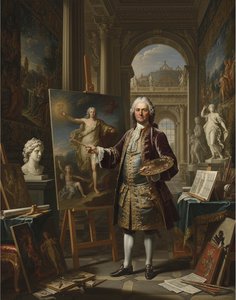
Charles Le Brun: Master of French Baroque Classicism & His Enduring Legacy
Explore the life & art of Charles Le Brun, master of French Baroque Classicism. Discover his royal commissions, influence on Versailles, and enduring legacy through detailed analysis & stunning artworks.
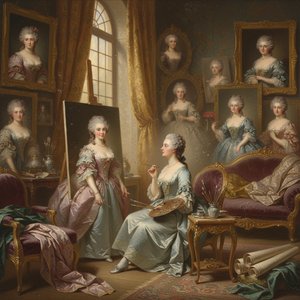
Vigée Le Brun: Portraiture, Patronage & Feminine Identity in 18th-Century France
Explore the life & art of Louise Élisabeth Vigée Le Brun, Marie Antoinette’s renowned portraitist. Discover her Rococo style, self-portraits, and influence on 18th-century French painting. A deep dive into patronage & feminine identity.

The Visceral Stage: Exploring Dramatic Narratives & Emotional Intensity in Baroque Art
Explore the dramatic world of Baroque art! Discover iconic masters like Caravaggio & Rembrandt, their techniques, and the movement's lasting impact. Expert insights for collectors & enthusiasts at OriginalUniqueArt.