

 設置イメージを確認
 送る
送る シェア
シェア
 詳細情報
詳細情報 ガイドを表示

 画像をダウンロード
 似ている作品
 X線調査
X線調査 スライドショー
 Q&A
Q&A 統計情報
統計情報Taking in the Lobster Pots
 Oil On Canvas
- WallArt
- Irish academic realism
 Modern
 49.0 x 59.0 cm
 続きを読む
続きを読む
このページに掲載されている作品は著作権法によって保護されており、当社の許可なく同一の複製物を制作または販売することは法律で禁じられています。この保護は、以下のような国際条約に基づき執行されます。 ベルヌ条約 および、以下の条項に定められたものを含む各国の法律により、 米国著作権法 第17編。
この手法は、著作権で保護された作品の複製や複写を伴わないため、著作権法に完全に準拠しています。これは単なる模倣ではなく、創造的な再解釈です。元の作品からインスピレーションを受けつつも、それとは異なる、全く新しい絵画を生み出すものです。
ジークレー/アートプリント
スピーディーな制作と多彩な仕上げオプションが魅力の、ミュージアムクオリティなジークレー・キャンバスプリント。 ( 手描きの複製画を注文する デジタル画像販売へ切り替え)




P118B ¥10

P118H ¥10

P118W ¥10

P438Z ¥10

P508JH ¥12

P508YH ¥12

P805H ¥10

P805Z ¥10

P919BZ ¥10

P919G ¥10

P919XJ ¥10

P959ZH ¥10

P968JZ ¥12

W106C ¥8

W218G ¥10

W218JH ¥8

W218Y ¥10

W307PJ ¥10

W316G ¥10

W316PJ ¥8

W316Y ¥10

W398PJ ¥8

W4111J ¥10

W500HY ¥15

W500JH ¥15

W692G ¥12

W849H ¥8

W940BG ¥15

W953PJ ¥8




作品のオリジナル比率に合わせた、当店の規定サイズからお選びください。

額縁や壁のスペースに合わせて、ご希望の幅と高さを入力してください。プリントはカットすることは可能ですが、元の画像より大きくすることはできないため、異なる比率のサイズを選択された場合は、画像の一部が欠けることになります。印刷を開始する前に、内容を確認していただくためのデジタルモックアップをお送りいたします。このページに表示されている画像は、実際のカット後の状態を示すものではありません。実際の仕上がりはモックアップにてご確認ください。


 ガラスオプションは、110cm未満のサイズでのみご利用いただけます。

Taking in the Lobster Pots
ジークレー/アートプリント
複製画サイズ一覧
-


合計金額
¥ 12591
The Rhythm of the Shoreline
In this oil on canvas, we find ourselves drawn to a moment of shared labor along a quiet dock. A group of men is gathered, their bodies engaged in the heavy, repetitive task of loading lobster pots onto a boat. The vessel itself sits toward the right of the frame, its hold already partially filled with the woven traps. There is a certain groundedness to the scene, a sense of weight and purpose that comes from watching hands work in unison. Amidst this human industry, two cows wander through the composition—one positioned near the center-right and another further to the left—adding a layer of pastoral stillness to the maritime activity. The presence of these animals suggests a landscape where the sea and the land are not separate worlds, but parts of a single, breathing existence.
The brushwork here is controlled yet broad. There is a restrained use of impasto that builds a tactile texture across the surface, allowing the viewer to feel the physical presence of the dock and the ruggedness of the equipment. The light does not demand attention through brilliance; instead, it settles softly over the scene, illuminating the textures of the wood and the heavy clothing of the workers. It is an approach that favors substance over ornament.
A Study of Coastal Life
The painting captures a way of life defined by the tides and the seasonal rhythms of the coast. There is no pretense in the depiction of these men; their toil is presented with a quiet dignity, stripped of any unnecessary drama. The composition focuses on the reality of the work—the movement of the pots, the positioning of the figures on the dock, and the steady presence of the livestock nearby. It reflects a period when the traditions of fishing communities were deeply intertwined with the local landscape.
Through this work, we see an interest in documenting the textures of a specific environment. The artist uses a palette that feels connected to the earth and the sea, avoiding anything too theatrical. By focusing on these ordinary, repetitive tasks, the painting achieves a sense of permanence. It is a quiet observation of a moment caught between the labor of the day and the coming evening, preserved through a technique that respects the gravity of the subject matter.
よくあるご質問
Charles Lamb作「Taking in the Lobster Pots」のどのプリントサイズが、推奨されているお部屋に最適ですか?
Charles Lamb作「Taking in the Lobster Pots」 におすすめの組み合わせ:Coffee Shop に飾る Small サイズのプリント。
「Taking in the Lobster Pots」において、技法と動きはどのように融合しているのでしょうか?
「Taking in the Lobster Pots」において、Oil On Canvasの技法とIrish academic realismのムーブメントが融合しています。
Charles Lamb作「Taking in the Lobster Pots」が醸し出す感情的なトーンはどのようなものでしょうか?
「Taking in the Lobster Pots」は、Nostalgicな感情を呼び起こします。この情緒的なトーンは、作品が与える印象を表しています。
アーティストについて
The Apprentice of Portadown
A young man works under his father in the streets of Portadown, County Armagh. The air carries the scent of fresh paint and plaster as Charles Vincent Lamb learns the trade of a housepainter and decorator. This early apprenticeship provides more than just technical skill; it builds a foundation for a life defined by texture and surface. By 1913, his precision earns him a gold medal as Housepainter of the Year.
The evening hours belong to the Belfast School of Art. Here, he studies life drawing, honing an eye for the human form. A scholarship in 1917 shifts his trajectory toward the Dublin Metropolitan School of Art. Under the guidance of Seán Keating, his vision begins to expand beyond the borders of Ulster. He moves through a period of intense formal study, absorbing the techniques that will later define his approach to the canvas.
The Connemara Light
A first visit to Carraroe in 1921 changes everything. The rugged landscape of the West of Ireland presents a new reality of stone, sea, and tradition. He returns repeatedly, eventually building a cottage in Carrarō in 1935. This is no longer just a place of study; it is his home. He finds a deep connection to the Gaeltacht, documenting the rhythms of fishing families and the dignity of those engaged in maritime labor.
The brushwork reflects this environment. He works rapidly on warm-toned surfaces, attempting to catch the shifting moods of the Atlantic coast. His technique utilizes a controlled yet broad application of paint, with restrained impasto that gives physical depth to rocks and wooden piers. In works like Curragh and Hookers at a Pier, Connemara, the stillness of the water meets the heavy texture of the boats. He captures the way light interacts with the surface, mimicking the clarity of a coastal day.
A Record of Identity
His canvases do more than depict scenery; they document a way of life. Through portraits and landscapes, he chronicles the traditions of the Aran Islands and the coastal communities that seemed under threat from modernity. He paints the locals with a sense of heroism, contributing to a specific national identity within the context of the Irish Free State. His subjects—fishermen, women knitting, or dancers at a crossroads—are treated with a steady, unhurried gaze.
His career reaches significant milestones through various institutions and exhibitions:
- Royal Hibernian Academy: Elected as an Associate in 1923 and receiving full membership in 1938.
- Royal Ulster Academy: Achieved membership within this prestigious body.
- International Presence: Exhibited his work in London, New York, Chicago, and Los Angeles.
- Major Collections: His paintings reside in the National Gallery of Ireland, the Hugh Lane Gallery, and the Ulster Museum.
By the time he settles permanently in the West, his style has matured into a blend of academic realism and an expressive, modernist touch. He remains a painter of the landscape and its people until his death in 1964.
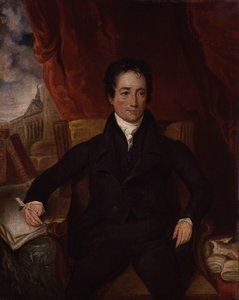
アーティスト情報
- Artistic Movement Or Style: Academic Realism
- Artists Who Influenced This Artist:
- Seán Keating
- Edouard Manet
- Date Of Birth: 30 August 1893
- Date Of Death: 15 December 1964
- Full Name: Charles Vincent Lamb
- Nationality: Irish
- Notable Artworks:
- A Lough Neagh Fisherman
- Curragh and Hookers at a Pier, Connemara
- A Connemara Lake
- The Turf Cutter
- Gathering Seaweed
- Place Of Birth: Portadown, Northern Ireland
関連記事

Boats on Canvas: 10 Masterpieces of Maritime Art for Your Home Decor
Sail away with 10 iconic boat paintings! Explore masterpieces by Monet, Van Gogh & Turner. Discover the stories behind these timeless seascapes and find museum-quality art reproductions for your home decor at OriginalUniqueArt.com.

Set Sail: 10 Iconic Artworks That Masterfully Capture the Spirit of Boats
Embark on a journey through maritime history with 10 iconic boat paintings. From Impressionist seascapes to dramatic oil masterpieces, explore the stories behind these timeless nautical works. Find museum-quality art reproductions and decor inspiration. Discover all masterpieces on OriginalUniqueArt.com

Catch the Vibe: Bold Fishing Boat Art to Transform Your Space with High-Impact Maritime Masterpieces
Elevate your space with bold, high-impact fishing boat art. From Van Gogh's textured impasto to Sorolla's vibrant light, discover premium hand-painted oil reproductions and custom maritime commissions designed to transform modern interiors with unmatched visual energy.

Set Sail: 10 Iconic Artworks That Masterfully Capture the Spirit of Boats
Embark on a maritime journey through 10 iconic boat paintings. From Impressionist seascapes to classic oil masterpieces, explore the stories and techniques behind these timeless nautical artworks. Find museum-quality reproductions for your decor. Discover all masterpieces on OriginalUniqueArt.com

Set Sail: 10 Iconic Artworks That Masterfully Capture the Spirit of Boats
Embark on a voyage through history with 10 iconic maritime masterpieces. From Impressionist seascapes to classic oil paintings of ships, explore the stories and techniques behind these timeless works. Find museum-quality art reproductions at OriginalUniqueArt.com. Explore the full collection online.