
 設置イメージを表示
 シェアする
シェアする シェアする
シェアする
 詳細を見る
詳細を見る ガイドを表示

 ダウンロード
 似ている作品
 X線調査
X線調査 スライドショーを表示
 Q&A
Q&A 統計情報
統計情報Evening on the Oise

- 99.0 x 200.0 cm


 詳細を表示
詳細を表示
ジークレー/アートプリント
スピーディーな制作と多彩な仕上げオプションが魅力の、ミュージアムクオリティなジークレー・キャンバスプリント。 ( 手描き複製画を注文する デジタル画像販売へ切り替え)




P118B ¥10

P118H ¥10

P118W ¥10

P438Z ¥10

P508JH ¥12

P508YH ¥12

P805H ¥10

P805Z ¥10

P919BZ ¥10

P919G ¥10

P919XJ ¥10

P959ZH ¥10

P968JZ ¥12

W106C ¥8

W218G ¥10

W218JH ¥8

W218Y ¥10

W307PJ ¥10

W316G ¥10

W316PJ ¥8

W316Y ¥10

W398PJ ¥8

W4111J ¥10

W500HY ¥15

W500JH ¥15

W692G ¥12

W849H ¥8

W940BG ¥15

W953PJ ¥8




作品のオリジナル比率に合わせた、当店の規定サイズからお選びください。

額縁や壁のスペースに合わせて、ご希望の幅と高さを入力してください。プリントはカットすることは可能ですが、元の画像より大きくすることはできないため、異なる比率のサイズを選択された場合は、画像の一部が欠けることになります。印刷を開始する前に、内容を確認していただくためのデジタルモックアップをお送りいたします。このページに表示されている画像は、実際のカット後の状態を示すものではありません。実際の仕上がりはモックアップにてご確認ください。


 ガラスオプションは、110cm未満のサイズでのみご利用いただけます。

Evening on the Oise
ジークレー/アートプリント
複製画サイズ一覧
-


合計金額
¥ 12810
Charles-François Daubigny’s “Evening on the Oise”: A Symphony of Light and Leisure
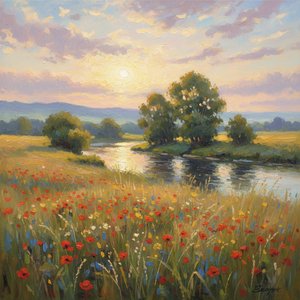
Evening on the Oise, painted in 1863 by Charles-François Daubigny, is more than just a depiction of a riverbank; it's a carefully constructed meditation on light, atmosphere, and the simple pleasures of rural life. Measuring 99 x 200 cm, this canvas captures a quintessential French scene – the Oise River meandering through a verdant landscape, dotted with figures engaged in quiet pursuits. Daubigny, a pivotal figure in the development of Atmospheric Impressionism, masterfully translates his observations of nature into a work brimming with nuanced color and a palpable sense of tranquility.
- A Pioneer’s Vision: Daubigny's artistic journey was marked by a deliberate rejection of rigid academic conventions. Influenced by his travels to Italy – particularly the landscapes of the region – he sought to represent nature not as an idealized subject for historical or mythological narratives, but as it existed in its raw, fleeting beauty.
- Technique and Color: The painting’s remarkable luminosity stems from Daubigny's innovative use of color and brushwork. He employed broken strokes and juxtaposed complementary hues – blues and oranges, greens and purples – to create a shimmering effect, mimicking the play of light on water and foliage. This technique, anticipating the later developments of Impressionism, prioritizes the immediate sensory experience over precise representation.
The Essence of Atmospheric Impressionism
Daubigny’s approach aligns perfectly with the burgeoning movement of Atmospheric Impressionism, which sought to capture not just the subject matter but also the *impression* of a scene – its mood, light, and atmosphere. Unlike earlier landscape painters who meticulously rendered every detail, Daubigny focused on conveying the ephemeral qualities of the environment. The hazy evening light, diffused through the trees, is particularly striking, creating a sense of depth and mystery. Notice how he uses subtle gradations of color to suggest the movement of water and the shifting shadows cast by the foliage.
- Plein Air Painting: Daubigny was a fervent advocate for *plein air* painting – working directly outdoors – believing it essential for accurately capturing natural light. This commitment is evident in the freshness and immediacy of his brushwork.
- Social Context: The mid-19th century witnessed a growing interest in leisure activities and the beauty of the French countryside. Daubigny’s painting reflects this trend, depicting figures enjoying a peaceful evening by the river – a scene that resonated with the aspirations of a burgeoning middle class.
Symbolism and Emotional Impact
Beyond its technical brilliance, Evening on the Oise possesses a quiet emotional resonance. The scattered figures, engaged in simple activities like boating and sketching, evoke a sense of serenity and connection with nature. The river itself symbolizes fluidity, change, and the passage of time – themes frequently explored in art throughout history. The composition invites the viewer to step into the scene, to share in the tranquility and contemplate the beauty of the natural world. Daubigny’s ability to evoke such a profound sense of peace is a testament to his artistic skill and his deep understanding of the human condition.
- Historical Significance: This painting represents a crucial moment in the development of French landscape art, foreshadowing the innovations of Impressionism.
- Perfect for Your Space: A hand-painted reproduction of this artwork will bring a touch of timeless elegance and tranquility to any interior space – from a formal living room to a serene bedroom.
Q&A
シャルル=フランソワ・ドービニョー作「Evening on the Oise」には何が描かれ、どのような情緒が漂っていますか?
シャルル=フランソワ・ドービニョー作「Evening on the Oise」は、river landscape, french painting, daubigny artwork, oise river, plein air scene, 19th century art, serene natureを描き出し、Sereneな情緒を湛えています。主題と雰囲気が相まって、作品の物語を形作っています。
「Evening on the Oise」の作者と制作年は?
「Evening on the Oise」の作者はシャルル=フランソワ・ドービニョーで、制作年は1863年です。
「Evening on the Oise」の色味は、どの程度鮮やかですか?
シャルル=フランソワ・ドービニョー作「Evening on the Oise」は、Subtle Colorの彩度とBalancedの強烈な色彩で描かれています。
作家プロフィール
シャルル=フランソワ・ドービニィの生涯と芸術:大気印象主義の先駆者
1817年にパリで生まれたシャルル=フランソワ・ドービニィは、画家であった父エドメ・フランソワ・ドービニィと叔父ピエール・ドービニィに育まれ、幼少の頃から芸術的な伝統に触れていました。しかし、若いドービニィはアカデミックな制約を超え、自然界とのより直接的な関わりを求めるようになります。ポール・ドラローシュの下での初期の研究は技術的なスキルを提供しましたが、1836年に画家アンリ・ミニャンと共にイタリアへの旅が彼の芸術的ビジョンに真の火をつけました。この経験を通して、彼は風景に対する深い理解と、それを理想化された景色としてではなく、生きた呼吸する存在として捉えたいという願望を抱くようになりました。パリに戻ったドービニィは、書籍の挿絵や装飾パネルなどの商業的な仕事と、彼のキャリアを定義することになるプレネール(屋外制作)への情熱とのバランスをとりました。彼はリュ・デ・ザマンディエ=ポパンクールにある芸術家コミュニティの一員となり、新しいアプローチへの共同研究と探求を促進しました。バルビゾン派と自然の受容
ドービニィの芸術的軌跡は、1843年にフォンテーヌブロー森林の中に位置する小さな村バルビゾンに定住したときに画期的な転換点を迎えました。これは彼がバルビゾン派と正式に関わることになり、このグループの画家たちはアカデミックな絵画の洗練された人工性を拒否し、農村生活や風景の直接的な観察と率直な表現を好みました。以前の風景画家たちがスケッチを屋外で行い、作品をスタジオで完成させるのとは異なり、バルビゾン派の画家たち—テオドール・ルソー、ジャン=フランソワ・ミレー、カミーユ・コローを含む—はプレネール絵画を基本的な原則として受け入れました。ドービニィとコローの友情は特に影響力があり、彼らは共にフォンテーヌブロー森林を探求し、光や大気の微妙なニュアンスをとらえました。この時期に、ドービニィは「ボタン」という革新的なアイデアを思いつきました。これはセーヌ川やオワーズ川などのフランスの川を航行するために改造された船で、彼が多様な風景への比類のないアクセスを提供し、自然との親密なつながりを育みました。この移動スタジオは彼の芸術的実践と同義となり、直接生活から描くことへの彼の献身を象徴しました。写実主義と印象主義の架け橋
ドービニィの作品は19世紀の美術史において独特の位置を占めており、バルビゾン派の写実主義と新興の印象派運動をつなぐ重要な役割を果たしています。バルビゾン派の伝統にしっかりと根ざし、自然を忠実に誠実に描写しながらも、彼の絵画はますます大気効果、つかの間の光の瞬間、主観的な知覚を強調するようになりました—これらの質は、モネ、ルノワールなどの同時代の人々が革新したものを予見していました。彼は*クリシェ・ヴェール*(写真と版画を組み合わせた技法)のような技術を実験し、新しいテクノロジーや芸術的可能性への開放性を示しました。彼の風景画は、広い緩い筆致、くすんだパレット、光と天候のつかの間の質をとらえることに焦点を当てています。1857年の「収穫」や1864年の「ジルイユ池」などの絵画は、ムードと大気を喚起する彼の能力を例証し、鑑賞者をフランス田園地方の中心に運び込みます。彼は単に見ているものを記録していたのではなく、その瞬間にそこにいることの*感じ方*を伝えていました。遺産と永続的な影響
シャルル=フランソワ・ドービニィは1878年にパリで亡くなり、今日まで響き続ける豊かな芸術的遺産を残しました。彼の影響力は、息子カールを含む直接の弟子たち—アシル・ウディノーやイポリット・カミーユ・デルピー—を超えて、何世代にもわたる風景画家たちにインスピレーションを与えました。彼はバルビゾン派と新興の印象派運動とのつながりを促進し、クロード・モネやポール・セザンヌに新しい見方や絵画の方法を紹介しました。プレネール絵画への献身、大気効果の探求、そして革新を受け入れる意欲は、19世紀後半の芸術的変革の道を切り開きました。ドービニィの絵画は現在、パリのオルセー美術館やシンシナティ美術館を含む世界中の主要な美術館に所蔵されており、彼の芸術史への永続的な貢献を証明しています。彼は重要な人物であり—印象主義の到来を予見し、近代絵画の流れを形作った大気写実主義の巨匠です。代表作
- 収穫 (1857): 農村生活と大気を捉えるドービニィの能力を示す典型的な例で、現在はオルセー美術館に所蔵されています。
- ジルイユ池 (1864): 風景画の習熟度と大気遠近法の技術を実証しており、現在はシンシナティ美術館に所蔵されています。
- 月光 (1865): 微妙な光の効果で夜のシーンを描くドービニィのスキルを示しています。
- オワーズ=シュル=オワーズ (1868): フランス田園地方の魅惑的な描写であり、この地域との深いつながりを反映しています。
- 波濤 (1876): 波と沿岸の美しさを描いた印象派的作品です。

シャルル=フランソワ・ドービニョー
1817 - 1878 , フランス
プロフィール概要
- Artistic Movement Or Style: バルビゾン派、印象主義先駆者
- Artists Or Movements Influenced By This Artist:
- 印象主義
- クロード・モネ
- ポール・セザンヌ
- Artists Who Influenced This Artist:
- カミーユ・コロー
- ギュスターヴ・クールベ
- Date Of Birth: 1817年2月15日
- Date Of Death: 1878年2月19日
- Full Name: シャルル・フランソワ・ドービニョ
- Nationality: フランス人
- Notable Artworks (List Of Titles):
- 収穫(1857)
- ジルューの池(1864)
- 月光(1865)
- オーヴェル=シュール=ワーズ(1868)
- Place Of Birth (City And Country): フランス、パリ
関連記事

Impressionistic Landscapes: 10 Masterpieces That Changed Art & Decor
Journey into the heart of Impressionism! Explore 10 masterpieces by Monet, Renoir & Degas that revolutionized landscape art. Discover their stories, techniques & find museum-quality reproductions to elevate your home decor on OriginalUniqueArt.com.

印象派風景を彩った至宝:アート史に名を刻む10選
印象派風景の革新を彩った10選。モネ、ルノワールら巨匠の名作を紐解き、色彩と光が生み出す感動の世界へ。アートの歴史とインテリアのインスピレーションをOriginalUniqueArt.comで。高品質な複製画で、あなただけの空間を創造しましょう。

Flowing Narratives: Rivers in Painting – A Historical Exploration
Explore the rich history of rivers in painting! Discover masterpieces from ancient times to Impressionism & beyond. Learn about symbolism, artists like Monet & Daubigny, and find your perfect serene artwork at OriginalUniqueArt.

ポール・セザンヌ:至高の25選 - 傑作と革新の軌跡 | OriginalUniqueArt
ポール・セザンヌの至高の25選。ポスト印象派を代表する画家、セザンヌの傑作と革新的な技法を紐解きます。OriginalUniqueArtで高品質な複製画やインテリアアートを見つけ、芸術の世界をご自宅に。今すぐコレクションをご覧ください。
Capturing Fleeting Light: A Comprehensive Exploration of Impressionistic Landscape Painting
Explore the captivating world of Impressionistic landscape painting! Discover techniques, key artists like Monet & Renoir, and its lasting influence on art history. A comprehensive guide for enthusiasts.

