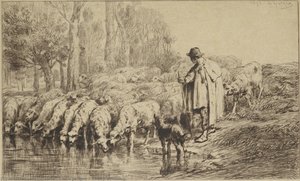
設置イメージを確認
 送る
送る シェア
シェア
 詳細情報
詳細情報 ガイドを表示

 画像をダウンロード
 似ている作品
 X線調査
X線調査 スライドショー
 統計情報
統計情報The Sheepfold
 Barbizon School
 1857
1857 46.0 x 92.0 cm
 続きを読む
続きを読む
手描き油彩複製画
当社のアーティストが、お客様のご希望のサイズと額縁に合わせて、キャンバスに手描きで制作する油彩画です。 ( プリント版に切り替え デジタル画像販売へ切り替え)




































作品のオリジナル比率に合わせた、当店の規定サイズからお選びください。

フレームや壁のスペースに合わせて、ご希望の幅と高さを入力してください。本作品は手描きのため、異なる比率のサイズをご希望の場合、絵画の周囲を少し広げて描くか、あるいは端を少しカットして調整することが可能です。お客様のご要望に合わせます。制作を開始する前に、仕上がりを確認するためのデジタルモックアップをお送りいたします。このページに表示されている画像は完成品の実物ではなく、あくまでモックアップによるイメージです。
ご注文後、OriginalUniqueArt.com チームより詳細な指示をお送りするとともに、仕上がりイメージ(モックアップ)をご提供いたします。


 ガラスオプションは、110cm未満のサイズでのみご利用いただけます。

The Sheepfold
再現技法
複製画サイズ一覧
-


合計金額
¥ 47260
よくあるご質問
シャルル=エミール・ジャック作「The Sheepfold」の色調は、鮮やかですか、それとも落ち着いていますか?
シャルル=エミール・ジャック作「The Sheepfold」は、彩度Subtle Colorで記録されています。
シャルル=エミール・ジャック作「The Sheepfold」 の色彩的な特徴は何ですか?
シャルル=エミール・ジャック作「The Sheepfold」の色彩表現:Espresso (#583b1c)を基調とした、Earthyなパレット。
「The Sheepfold」の色同士は、どのように調和していますか?
「The Sheepfold」の色彩の調和は、Unified Paletteと表現されます。
アーティストについて
フランスの田園風景に根ざした生涯
1813年にパリで生まれたシャルル=エミール・ジャックは、決して平坦な芸術への道を歩み始めたわけではありませんでした。彼の若き日は、フランス軍での7年間に及ぶ兵役という、予期せぬ展開を迎えます。しかし、規律に縛られた軍隊生活の中でも、彼の天賦の才は形を見出していました。それは当初、絵画としてではなく、地図を彫る緻密なエングレービング(版画)の技術として現れたのです。正確さと観察力を極限まで要求されるこの基礎的な訓練は、後の芸術活動において驚くほど重要な役割を果たすことになります。細部への徹底したこだわりは、やがて彼の作品の代名なる特徴となりました。フランスの田園地帯の牧歌的な美しさを象徴する画家となる人物にとって、その始まりはあまりに意外なものでしたが、それこそがジャックの適応力と、内に秘めた芸術性の高さを物語っています。除隊後、彼は短期間、挿絵や風刺画の制作に従事してパリの雑誌に寄稿しましたが、やがてエッチングと絵画という真の天職を見出すこととなりました。バルビゾン派との出会い、そして牧歌的なヴィジョン
19世紀半ば、ジャックは革命的な芸術運動の震源地となる小さな村、バルビゾンへと惹きつけられていきます。パリを襲ったコレラの流行から逃れるようにして、彼はジャン=フランソワ・ミレーをはじめとする志を同じくする芸術家たちと合流し、自然から直接インスピレーションを得る道を選びました。これは、アカデミックな慣習から決別し、より誠実で写実的な生の描写へと向かう決定的な転換点となりました。ジャックはこの新しいアプローチを心から受け入れ、農村生活の本質を捉えることに身を捧げました。羊の群れを見守る羊飼いの静かな威厳、農作業の穏やかなリズム、そして陽光が降り注ぐ野原に佇む家畜たちの素朴な美しさ。彼の描く風景は、単なる情景の描写に留まりませんでした。そこには深い安らぎと調和が宿り、自然界への深遠な敬愛が反映されていたのです。彼は単に羊や納屋を「描いて」いたのではありません。彼は一つの感情、すなわち観る者の心に深く響く、牧歌的な生活への畏敬の念という「空気感」を伝えていたのです。二つの技法を極めた巨匠:絵画と版画
遺産と永続する影響力 1894年に没したシャルル=エミール・ジャックは、今日でも観る者を魅了し続ける豊かな芸術的遺産を後世に残しました。彼はフランス美術におけるリアリズム(写実主義)の発展において極めて重要な役割を果たし、誠実さと感受性をもって生を描き出そうとした次世代の芸術家たちの道を切り拓きました。農村生活を描くことへの献身は、日常の情景を描く「ジャンル画」を、芸術的風景における主要な地位へと押し上げたのです。- エッチング復興の先駆者: ジャックによる17世紀のエッチング技法の再興は、版画界に多大な影響を与えました。
- 農村生活の守護者: 彼はフランスの農村生活が持つ美しさと尊厳を不朽のものとし、失われゆく生活様式の永続的な視覚的記録を作り上げました。

シャルル=エミール・ジャック
1813 - 1894 , フランス
アーティスト情報
- Artistic Movement Or Style: バルビゾン派
- Artists Or Movements Influenced By This Artist: ['写実主義']
- Artists Who Influenced This Artist: ['アドリアーン・ファン・オスターデ']
- Date Of Birth: 1813年
- Date Of Death: 1894年
- Full Name: シャルル=エミール・ジャック
- Nationality: フランス
- Notable Artworks:
- 青い少年
- 羊小屋
- 羊飼いの娘
- Place Of Birth: フランス、パリ
関連記事
The Barbizon School: A Professional Guide to Naturalism and Landscape Mastery for Interior Designers
Explore the Barbizon School's mastery of naturalism. An expert guide for hotel designers and procurement managers on sourcing high-quality landscape reproductions to elevate hospitality and corporate interiors with authentic, large-scale fine art solutions.
The Barbizon School: Pioneering Realism & the Pastoral Vision in 19th-Century French Painting
Explore the Barbizon School's pivotal role in 19th-century French painting. Discover how these artists revolutionized landscape art with their commitment to Realism and a profound connection to nature. Learn about key figures like Rousseau, Millet & Corot.

The Hague School: Realism, Atmosphere & the Dawn of Dutch Impressionism
Explore the Hague School's pivotal role in Dutch art history. Discover realism, atmospheric landscapes & its influence on Impressionism. Learn about key artists like Mauve & Maris with OriginalUniqueArt.
Charles-François Daubigny: Pioneering Atmospheric Light & Barbizon Realism
Explore the life & art of Charles-François Daubigny, a pivotal Barbizon School painter. Discover his innovative landscapes, mastery of light, and influence on Impressionism. High-quality reproductions available.
The Barbizon School: The Soulful Origins of Impressionism's Natural Light and Atmospheric Mastery
Discover the profound influence of the Barbizon School on Impressionism. Explore how these masters captured natural light and atmospheric beauty through plein air painting, paving the way for Monet and Renoir. A journey into the soulful origins of landscape art history.