

 プレビュー
プレビュー
 シェアする
シェアする シェアする
シェアする
 詳細を見る
詳細を見る

 ダウンロード
 似ている作品
 X線調査
X線調査 スライドショー
 統計情報
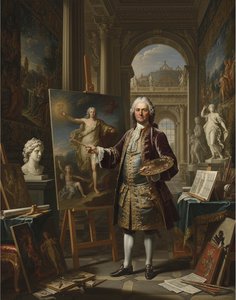
統計情報Democritus
 Oil
Oil- WallArt
- Baroque and Rococo
 1692
1692- Early Modern
 69.0 x 57.0 cm
 ルーブル美術館
 詳細を見る
詳細を見る
ジークレー/アートプリント
迅速な制作と多彩な仕上げオプションを備えた、ミュージアムクオリティのジークレーまたはキャンバスプリント。 ( 手描きの絵画を購入 デジタル画像販売へ切り替え)




P118B $10

P118H $10

P118W $10

P438Z $10

P508JH $12

P508YH $12

P805H $10

P805Z $10

P919BZ $10

P919G $10

P919XJ $10

P959ZH $10

P968JZ $12

W106C $8

W218G $10

W218JH $8

W218Y $10

W307PJ $10

W316G $10

W316PJ $8

W316Y $10

W398PJ $8

W4111J $10

W500HY $15

W500JH $15

W692G $12

W849H $8

W940BG $15

W953PJ $8




作品のオリジナル比率に合わせた、当店の規定サイズからお選びください。

特定のフレームやスペースに合わせて、ご自身でサイズを指定することも可能です。選択されたサイズが元の画像の比率と一致しない場合、作品をトリミングするか、鏡面反射または単色での塗りつぶしによって画像を拡張いたします。制作を開始する前に、ご確認用のデジタルモックアップをお送りいたします。
画面上のプレビューには、実際のトリミングや拡張は反映されませんのでご注意ください。最終的な構図を正確に確認できるのは、モックアップのみとなります。
カスタムサイズも承っておりますが、元の比率を維持するためには、あらかじめ用意されたリストからサイズを選択することをお勧めいたします。


 ガラスオプションは、110cm未満のサイズでのみご利用いただけます。

Democritus
ジークレー/アートプリント
複製画のサイズ
-


合計金額
$ 80
Charles Antoine Coypel: A Synthesis of Baroque Grandeur and Rococo Delight
Charles Antoine Coypel (1694-1752) stands as a pivotal figure in French art history, embodying the stylistic transition between the opulent Baroque era and the burgeoning Rococo movement. Born in Paris to Antoine Coypel, himself a celebrated artist, Coypel inherited a lineage steeped in artistic tradition – his grandfather Noël Coypel was also a respected painter. This familial connection undoubtedly fostered an early appreciation for visual artistry and propelled him toward a distinguished career as premier peintre du roi (first painter to the king) at Louis XIV’s court, a position he held until his untimely death. He represents a crucial bridge between two dominant artistic sensibilities, skillfully blending their characteristics into a uniquely expressive oeuvre. His ascent began with a formal apprenticeship under Nicolas Frémiet, mastering the techniques of oil painting and etching – skills that would prove invaluable throughout his prolific output. Coypel quickly gained recognition for his ability to capture dramatic narratives and idealized figures, aligning perfectly with the tastes of the French aristocracy during Louis XIV’s reign. However, unlike many Baroque artists who prioritized monumental scale and formal rigidity, Coypel embraced a softer aesthetic, incorporating delicate pastel hues and flowing drapery—elements characteristic of Rococo style. This stylistic duality is evident throughout his extensive body of work, demonstrating an artist acutely aware of the evolving artistic landscape.The Painting: Democritus – A Portrait Steeped in Symbolism
“Democritus” depicts a man with a dignified gaze and subtle smile, rendered in meticulous detail against a muted crimson backdrop. The subject’s attire—a scarlet robe—immediately evokes associations with royalty and piety, suggesting he may have been a religious figure or an intellectual deeply engaged in philosophical contemplation. Coypel's masterful use of chiaroscuro – the dramatic interplay between light and shadow – enhances the portrait’s expressive power, emphasizing the contours of the face and conveying a sense of inner serenity. Two additional figures flank the central subject, appearing smaller and serving as compositional anchors—likely intended to convey depth and perspective within the frame.Technique and Style: Baroque Precision Meets Rococo Elegance
Coypel’s technique exemplifies the harmonious blend of Baroque precision and Rococo elegance. He employed oil paint on canvas with painstaking accuracy, achieving remarkable tonal gradations and capturing subtle nuances of skin texture. Yet, he skillfully incorporated Rococo stylistic elements—such as soft pastel colors and flowing drapery—creating a visual experience that transcends mere representation. The artist’s meticulous attention to detail is particularly noticeable in the rendering of the man's facial features and hair, demonstrating his mastery of anatomical observation. This combination resulted in an artwork that possesses both grandeur and grace, reflecting the artistic sensibilities of its time.Historical Context: Louis XIV’s Court and Artistic Patronage
“Democritus” was created during the zenith of Louis XIV’s reign—a period marked by unparalleled royal patronage of the arts. Coypel benefited enormously from this support, securing commissions for portraits and decorative panels that adorned Versailles and other palaces throughout France. The Baroque tradition, established under Louis XIII, continued to exert influence on artistic production, emphasizing grandeur, monumentality, and idealized beauty. However, Coypel’s work signaled a decisive shift toward the Rococo style—characterized by frivolity, ornamentation, and an emphasis on sensual pleasure—reflecting the changing tastes of the French court and society.Emotional Impact: Serenity Amidst Formal Ornamentation
Despite its formal elegance, “Democritus” communicates a profound sense of inner peace and contemplation. The man’s serene expression invites viewers to engage in introspection, mirroring the philosophical ideals prevalent during Coypel's era. The subdued crimson hue of the robe contributes to the painting’s atmosphere of solemn dignity—a deliberate contrast to the exuberant colors and decorative flourishes typical of Rococo art. Ultimately, Coypel’s masterpiece transcends mere visual spectacle, offering a glimpse into the human spirit and capturing the essence of aristocratic refinement.アーティストの略歴
シャルル=アントワーヌ・コイペルの遺産:時代を繋ぐ架け橋
フランス美術史という壮大なタペストリーにおいて、バロック様式の重厚な威厳からロココ様式の軽やかな優雅さへと移り変わる繊細な変遷を、これほどまでに気品をもって体現した人物は他にいないでしょう。シャルル=アントワーヌ・コイペルは、まさにその象徴といえます。1694年、芸術の名門に生まれた彼は、パリの地で偉大なる運命を背負って誕生しました。高名なアントワーヌ・コイペルの息子であり、ノエル・コイペルの孫である彼の存在そのものが、王立アカデミーの伝統に深く根ざしていたのです。この家族の遺産は、彼に単なる名声を与えただけではありませんでした。当時の巨匠たちの傍らで受けた濃密な修行は、古典的な構図への深い理解と、フランス宮廷が求めた劇的な表現力を彼に授けたのです。
ニコラ・フレミエの下で行われた初期の修行により、コイペルはエッチングの精密さから油彩画の流麗な習熟に至るまで、極めて多彩な技術的レパートリーを身につけました。この多才さこそが彼のキャリアの礎となり、18世紀初頭の移ろいゆく美意識の潮流を見事に捉えることを可能にしました。その基盤は、後期バロック様式の記念碑的で演劇的なスタイルにしっかりと根ざしていましたが、同時に彼は、芽生えつつあったロココ精神に対しても類まれな感受性を備えていました。繊細なパステルカラーのパレット、非対称の配置、そして装飾的な魅力を用いた彼の作品は、新たな軽やかさを吹き込み、その後の数十年にわたってフランス的美学を定義づけるものとなったのです。
物語の巨匠、そして王室の寵児
コイペルの職業人生における絶頂期は、国王筆頭画家(Premier Peintre du Roi)という輝かしい称号によって彩られました。ルイ14世とその継承者たちの宮廷に仕えた彼は、フランス王室にとって主要な「視覚的語り手」となりました。彼の才能はキャンバスの枠を遥かに超えていました。彼は、芸術がいかにして建築空間全体に命を吹き込むことができるかを理解していた先見的なデザイナーでもあったのです。その最も息を呑むような業績の一つは、ヴェルサイユ礼拝堂への貢献に見ることができます。栄光の中の父なる神などのフレスコ画において、彼は卓越したトロンプ・ルイユ(だまし絵)技法を駆使し、天井そのものが天界へと溶け込んでいくかのような、天上のパースペクティブを創り出しました。
王室礼拝堂の壁の内側のみならず、コイペルの影響はゴブラン織製作所との広範な協力関係を通じて、装飾芸術の隅々にまで浸透していきました。彼は、壮大な叙事詩を記念碑的なタペストリー・デザインへと翻訳する稀有な能力を持っていました。ホメロスのイリアスや
オデュッセイアに触発された連作では、色彩と動きを自在に操り、織り込まれた糸を光と影の叙事詩へと変貌させました。そして、おそらく最も大胆かつ革命的な試みは、ミゲル・デ・セルバンテスのドン・キホーテのための挿絵シリーズでしょう。このプロジェクトにおいて、コイペルは硬直した形式主義から脱却し、よりダイナミックでキャラクター主導の物語手法を採用しました。これにより、古典的な挿絵と近代的な物語芸術との間の溝を、見事に埋めることに成功したのです。
芸術的意義と永続する影響力
シャルル=アントワーヌ・コイペルの歴史的な重要性は、彼が「芸術の仲介者」としての役割を果たした点にあります。彼は単にある時代から別の時代への変遷を目撃しただけではありません。彼は自らその変遷を形作ったのです。バロック様式の構造的な整合性と劇的な重み、そしてロココ様式の遊び心あふれる軽やかな優雅さを融合させることで、フランス美術がその威厳を失うことなく進化し続けるための、様式的な連続性をもたらしました。彼の肖像画、例えば情緒豊かなデモクリトスなどは、王族としての尊厳と、親密で心理的な深みとのバランスを見事に保ち、今なお観る者を魅了して止みません。
1752年にその生涯は断たれましたが、彼の作品が与えた衝撃は、ヨーロッパ絵画の歴史に深く刻み込まれています。彼の遺産は、以下の要素の中に息づいています。
- フランス肖像画の進化:硬直した形式主義から、被写体のより表現豊かで感情的な描写への転換。
- タペストリーと装飾デザイン:ゴブラン織への依頼を通じて、大規模なテキスタイル作品を高度な物語芸術の地位へと引き上げたこと。
- 様式の統合:17世紀の記念碑的なスケールと、18世紀の親密で装飾的な感性を見事に融合させたこと。
今日、コイペルの作品は、人類の創造性が変容を遂げた時代への窓として機能しています。それは、芸術が王たちの地上の栄華と、魂の神聖なる憧れとの隔たりを埋めるために用いられていた、あの時代の記憶を私たちに呼び起こしてくれるのです。

シャルル=アントワーヌ・コイペル
1694 - 1752 , フランス
基本情報
- Artistic Movement Or Style: バロック・ロココ
- Artists Who Influenced This Artist:
- アントワーヌ・コイペル
- ノエル・コイペル
- Date Of Birth: 1694年 フランス パリ
- Date Of Death: 1752年
- Full Name: シャルル=アントワーヌ・コイペル
- Nationality: フランス
- Notable Artworks:
- ドン・キホーテ・シリーズ
- フィリップ・コイペルの肖像
- 妻と共に描かれたフィリップ・コイペルの肖像
- Place Of Birth: フランス パリ
関連記事
10 Iconic Rococo Masterpieces That Defined an Era of Elegance
Step into the elegance of the 18th century. Explore 10 iconic Rococo masterpieces, from Fragonard to Boucher, featuring lush pastels and ornate beauty. Find museum-quality art reproductions and decor inspiration at OriginalUniqueArt.com. Discover all masterpieces on OriginalUniqueArt.com
Baroque vs. Rococo: A Definitive Guide to High-Drama Shadows and Golden Elegance
Explore the dramatic evolution from Baroque's intense chiaroscuro to Rococo's golden elegance. Our expert guide decodes the shift from high-drama shadows to playful, ornate grace for art enthusiasts and collectors seeking deep historical insight.
10 Iconic Rococo Masterpieces That Defined an Era of Elegance
Step into the elegance of the 18th century. Explore 10 iconic Rococo masterpieces by Fragonard and Boucher, featuring pastel hues and ornate beauty. Find museum-quality art reproductions and decor inspiration at OriginalUniqueArt.com. Discover all masterpieces on OriginalUniqueArt.com.
From Grandeur to Grace: Exploring the Evolution of Baroque & Rococo Art
Explore the captivating evolution from Baroque's drama to Rococo's grace! Discover key artists, characteristics & lasting influence of these art movements with expert insights at OriginalUniqueArt.
Charles Le Brun: Master of French Baroque Classicism & His Enduring Legacy
Explore the life & art of Charles Le Brun, master of French Baroque Classicism. Discover his royal commissions, influence on Versailles, and enduring legacy through detailed analysis & stunning artworks.