

 プレビュー
プレビュー
 シェアする
シェアする シェアする
シェアする
 詳細を見る
詳細を見る

 ダウンロード
 似ている作品
 X線調査
X線調査 スライドショー
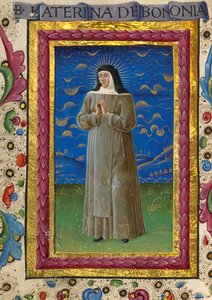
Breviary with Miniatures
 1452
1452 200.0 x 300.0 cm
 Convent of the Corpus Domini
 詳細を見る
詳細を見る
ジークレー/アートプリント
迅速な制作と多彩な仕上げオプションを備えた、ミュージアムクオリティのジークレーまたはキャンバスプリント。 ( 手描きの絵画を購入 画像を購入)




































作品のオリジナル比率に合わせた、当店の規定サイズからお選びください。

特定のフレームやスペースに合わせて、ご自身でサイズを指定することも可能です。選択されたサイズが元の画像の比率と一致しない場合、作品をトリミングするか、鏡面反射または単色での塗りつぶしによって画像を拡張いたします。制作を開始する前に、ご確認用のデジタルモックアップをお送りいたします。
画面上のプレビューには、実際のトリミングや拡張は反映されませんのでご注意ください。最終的な構図を正確に確認できるのは、モックアップのみとなります。
カスタムサイズも承っておりますが、元の比率を維持するためには、あらかじめ用意されたリストからサイズを選択することをお勧めいたします。


 ガラスオプションは、110cm未満のサイズでのみご利用いただけます。

Breviary with Miniatures
ジークレー/アートプリント
複製画のサイズ
-


合計金額
$ 80
作品詳細説明
Artistic Significance
The Breviary with Miniatures is a masterpiece of Gothic art, characterized by its intricate patterns, vibrant colors, and delicate illustrations. The painting features illuminated initials, elaborate borders, and miniature scenes that depict religious narratives. The level of detail and craftsmanship in this work is a testament to the artist's expertise and dedication.Historical Context
Caterina Vigri was a prominent artist of her time, known for her contributions to the development of medieval art. Her work, including the Breviary with Miniatures, reflects the cultural and artistic values of 15th-century Italy. The painting is also significant because it provides insight into the daily life and spiritual practices of the time.- The Convent of the Corpus Domini in Bologna, Italy, is home to an impressive collection of medieval art, including works by Caterina Vigri and other notable artists.
- For more information on the museum and its collections, visit Discovering the Museum Convent of the Corpus Domini (Bologna, Italy).
- To explore more paintings by Caterina Vigri, including the Breviary with Miniatures, visit Painting by 'Caterina Vigri' | Caterina Vigri:Breviary with Miniatures.
The Breviary with Miniatures by Caterina Vigri is a remarkable work of art that continues to inspire and fascinate audiences today. Its intricate details, vibrant colors, and historical significance make it a must-see for anyone interested in medieval art and culture.
アーティストの略歴
The Radiant Spirit of Caterina Vigri
In the golden light of the Italian Renaissance, few figures embody the intersection of profound mysticism and exquisite artistry as gracefully as Caterina Vigri. Known to history as Saint Catherine of Bologna, her life was a tapestry woven from the threads of courtly elegance and monastic devotion. Born in 1413 into an aristocratic Bolognese family, Caterina was raised within the vibrant cultural atmosphere of the Este court in Ferrara. As the daughter of a diplomat serving the Marquis Niccolò III d’Este, she was immersed in a world where humanist learning, music, and fine arts flourished. This early exposure to a liberal education—encompassing Latin, music, and the delicate art of manuscript illumination—provided the foundational tools for what would become one of the most spiritually resonant artistic legacies of the fifteenth century.
The trajectory of Caterina’s life was irrevocably altered by the tragic political intrigues of the Ferrarese court. Following the execution of her patroness, Parisina Malatesta, in 1425, a profound spiritual calling drew Caterina away from the splendor of secular life toward the quietude of religious service. She joined a community of laywomen in Ferrara, eventually guiding them toward the reformed Observant Poor Clare order. This transition from lady-in-waiting to mistress of novices marked the beginning of her dual identity as both a spiritual leader and a dedicated creator. Her art was never merely decorative; it was an extension of her prayer, a visual manifestation of the divine mysteries she encountered in her moments of mystical ecstasy.
Mastery of the Miniature and Devotional Light
Caterina’s artistic output is most profoundly realized in the realm of breviary illumination. Within the intimate confines of these liturgical books, she achieved a level of precision and emotional depth that far surpassed the requirements of mere ornamentation. Her technique involved the painstaking application of watercolor pigments and gold leaf onto parchment, a process that demanded immense patience and an almost superhuman control over fine detail. Unlike the grand, sweeping frescoes of her contemporaries, Vigri’s work invited a closer, more personal gaze. She possessed a rare ability to capture nuanced human emotion and sacred atmosphere within miniature frames, using luminous colors to guide the viewer's eye toward the divine.
Her most celebrated achievement remains her personally illustrated breviary, a relic of immense spiritual and artistic value. In these pages, the boundaries between the artist’s hand and the saint’s soul dissolve. Through delicate brushstrokes, she rendered biblical scenes that felt both tangibly real and ethereally transcendent. Beyond her illuminations, other works attributed to her, such as Saint Ursula and her Maidens and the Madonna of the Peach, showcase a mastery of composition and a subtle elegance that reflect the sophisticated aesthetic of the Ferrarese school. Her ability to blend the observational realism of the Renaissance with a profound symbolic language allowed her to communicate complex theological truths to both the learned and the devout.
Legacy of an Artist-Saint
The historical significance of Caterina Vigri extends far beyond the borders of her convent walls. She remains one of the most prominent examples of the female artist in the Renaissance, a period when women’s access to formal artistic training was often severely restricted. Her legacy is characterized by several enduring contributions:
- Spiritual Literature: Beyond her visual art, she authored the influential treatise The Seven Spiritual Weapons, which provided guidance on overcoming temptation through Christ-like devotion.
- Foundational Leadership: She played a pivotal role in establishing the convent of Corpus Domini in Bologna, creating a sanctuary for both religious life and artistic expression.
- Iconographic Influence: Her miniature style helped define a specific mode of devotional art that emphasized intimacy, clarity, and emotional resonance.
- Cultural Symbolism: As a canonized saint whose incorrupt body became a subject of veneration, her life serves as a bridge between the intellectual rigor of the Renaissance and the deep piety of the Catholic tradition.
Today, the works of Caterina Vigri continue to inspire awe, standing as testaments to the power of art to serve as a vessel for the sacred. Her ability to transform parchment into a window to the heavens ensures her place in the pantheon of great Italian masters, reminding us that the smallest stroke of a brush can carry the weight of eternal devotion.
caterina vigri
1747 - 1794 , Italy
基本情報
- Artistic Movement Or Style: Miniature Illuminations
- Date Of Birth: 1747
- Date Of Death: 1794
- Full Name: Caterina Vigri
- Nationality: Italian
- Notable Artworks: ['Breviary with Miniatures']
- Place Of Birth: Bologna

