

 設置イメージを確認
 送る
送る シェア
シェア
 詳細情報
詳細情報 ガイドを表示

 画像をダウンロード
 似ている作品
 X線調査
X線調査 スライドショー
 統計情報
統計情報Self Portrait as Henri Christophe


 続きを読む
続きを読む
このページに掲載されている作品は著作権法によって保護されており、当社の許可なく同一の複製物を制作または販売することは法律で禁じられています。この保護は、以下のような国際条約に基づき執行されます。 ベルヌ条約 および、以下の条項に定められたものを含む各国の法律により、 米国著作権法 第17編。
敬意を払った法的な代替手段として、私たちはオリジナルにインスピレーションを与えられた、カスタムの手描きアートワークを提供しています。私たちの熟練したプロのアーティストは、元の作品が持つスタイル、情緒、そして芸術的なエッセンスを注意深く研究し、独自の創作物でありながら、同じ感性を呼び起こすような、新しくユニークな作品を作り上げます。
この手法は、著作権で保護された作品の複製や複写を伴わないため、著作権法に完全に準拠しています。これは単なる模倣ではなく、創造的な再解釈です。元の作品からインスピレーションを受けつつも、それとは異なる、全く新しい絵画を生み出すものです。
手描き油彩複製画
当社のアーティストが、お客様のご希望のサイズと額縁に合わせて、キャンバスに手描きで制作する油彩画です。 ( プリント版に切り替え デジタル画像販売へ切り替え)




P118B ¥10

P118H ¥10

P118W ¥10

P438Z ¥10

P508JH ¥12

P508YH ¥12

P805H ¥10

P805Z ¥10

P919BZ ¥10

P919G ¥10

P919XJ ¥10

P959ZH ¥10

P968JZ ¥12

W106C ¥8

W218G ¥10

W218JH ¥8

W218Y ¥10

W307PJ ¥10

W316G ¥10

W316PJ ¥8

W316Y ¥10

W398PJ ¥8

W4111J ¥10

W500HY ¥15

W500JH ¥15

W692G ¥12

W849H ¥8

W940BG ¥15

W953PJ ¥8




作品のオリジナル比率に合わせた、当店の規定サイズからお選びください。

フレームや壁のスペースに合わせて、ご希望の幅と高さを入力してください。本作品は手描きのため、異なる比率のサイズをご希望の場合、絵画の周囲を少し広げて描くか、あるいは端を少しカットして調整することが可能です。お客様のご要望に合わせます。制作を開始する前に、仕上がりを確認するためのデジタルモックアップをお送りいたします。このページに表示されている画像は完成品の実物ではなく、あくまでモックアップによるイメージです。
ご注文後、OriginalUniqueArt.com チームより詳細な指示をお送りするとともに、仕上がりイメージ(モックアップ)をご提供いたします。


 ガラスオプションは、110cm未満のサイズでのみご利用いただけます。

Self Portrait as Henri Christophe
再現技法
複製画サイズ一覧
-


合計金額
¥ 47267
A Visionary Encounter with Haitian Majesty
In the evocative strokes of Castera Bazile’s 1958 masterpiece, Self Portrait as Henri Christophe, we are transported into a realm where personal identity and national myth collide. This profound oil on board painting serves as more than a mere likeness; it is a theatrical reclamation of power and heritage. Through the lens of Bazile’s brush, the artist does not simply depict himself, but rather inhabits the persona of one of Haiti's most formidable historical figures. The composition captures a moment of intense, commanding presence, where the subject stands draped in the regalia of military authority, his gaze steady and resolute, inviting the viewer to witness a resurrection of Haitian sovereignty.
The technical execution of the piece reveals the raw, expressive energy characteristic of Bazile’s mid-century style. Utilizing the rich, tactile medium of oil, the artist employs a palette that balances the starkness of military whites and blacks with the symbolic weight of ceremonial elements. The texture of the paint lends a physical dimension to the uniform, making the heavy fabric and the glint of the sword feel almost tangible. Every stroke contributes to a sense of movement—from the raised arm suggesting an oratorical gesture to the delicate flutter of the white feather in his black hat. This mastery of light and shadow creates a dramatic chiaroscuro effect that heightens the painting's psychological depth, making it a captivating centerpiece for any collection focused on historical narrative or fine portraiture.
Symbolism and the Spirit of Resistance
Beyond its visual splendor, the painting is steeped in the complex symbolism of Haitian history and Vodou spirituality. By adopting the guise of Henri Christophe, the former King of Haiti, Bazile weaves a tapestry of resistance and pride. The presence of the flags flanking the figure serves as a powerful reminder of national identity and the struggle for independence. The sword, held with a firm yet poised hand, is not merely a weapon of war but a symbol of the strength required to protect one's culture and autonomy. For the discerning collector or interior designer, this work offers a profound layer of meaning, acting as a conversation piece that speaks to themes of leadership, legacy, and the enduring spirit of the Caribbean.
To possess a reproduction of this work is to bring a fragment of Haiti's vibrant artistic soul into one's space. The emotional impact of Self Portrait as Henri Christophe lies in its ability to evoke both awe and introspection. It is an artwork that demands attention, commanding the walls of a sophisticated gallery or a curated home library with its regal intensity. Whether used to anchor a room with historical gravity or to provide a bold, cultural focal point in a modern interior, Bazile’s vision remains as potent today as it was when first captured on board in 1958.
よくあるご質問
Castera Bazile作「Self Portrait as Henri Christophe」の色調は、鮮やかですか、それとも落ち着いていますか?
Castera Bazile作「Self Portrait as Henri Christophe」の色調は、Subtle Colorな彩度を持っています。彩度とは、色の鮮やかさや落ち着きの度合いを表すものです。
Castera Bazile作「Self Portrait as Henri Christophe」は、どのような感情を伝えていますか?
「Self Portrait as Henri Christophe」では、DramaticなムードにPowerfulな感情が添えられています。
「Self Portrait as Henri Christophe」のContemporary Realismの背景には、どの国のルーツがあるのでしょうか?
Contemporary Realismの作品「Self Portrait as Henri Christophe」は、Haiti出身のアーティストによって制作されました。
アーティストについて
A Visionary Voice of Haitian Vodou Art
Castera Bazile (1923-1966) remains an enigmatic figure in Haitian art history, a painter whose oeuvre speaks volumes about the spiritual heart of Haiti and its enduring connection to African traditions. Born in Jacmel, Haiti, Bazile’s life was tragically cut short at the age of forty-three, leaving behind a relatively small but profoundly impactful body of work that continues to fascinate scholars and collectors alike. Despite limited biographical information—primarily gleaned from scattered references—his paintings offer an unparalleled glimpse into the vibrant world of Vodou ceremonies and the heroic narratives surrounding Henri Christophe and Bwa Kayiman.- Early Life & Artistic Beginnings: Little is known about Bazile’s formative years. He emerged as a painter in the mid-1950s, largely self-taught, driven by an unwavering devotion to Vodou and its artistic expressions. His initial subjects were often landscapes depicting Haiti's lush Caribbean environment—a deliberate choice reflecting his deep appreciation for the land and its cultural heritage. However, it was his portraits of Vodou figures, particularly Henri Christophe – the exiled Haitian leader who spearheaded a rebellion against French colonial rule – that cemented his reputation as a unique artistic voice.
The Power of Vodou Imagery
Bazile’s distinctive style is characterized by bold color palettes and expressive brushstrokes, reflecting the dynamism and fervor inherent in Vodou rituals. He eschewed academic conventions, prioritizing emotional impact over meticulous realism. His canvases pulsate with energy, capturing not just likenesses but also the spiritual essence of his subjects—the solemn faces of priests, the vibrant costumes of initiates, and the dramatic choreography of ceremonies. The artist’s masterful use of pigment creates a palpable sense of atmosphere, transporting viewers into the sacred space of Bwa Kayiman – a powerful Haitian Vodou shrine known for its elaborate rituals and symbolic representations.- Notable Subjects & Techniques: Henri Christophe: Bazile’s portrait of Christophe is arguably his most celebrated work. It transcends mere representation, conveying the leader's dignity and resilience—a testament to Haitian resistance against oppression. The painting utilizes a rich tapestry of colors – reds, yellows, and blues – to depict Christophe’s regal attire and gaze, emphasizing his unwavering determination.
- Bwa Kayiman: Bazile’s depictions of Bwa Kayiman are particularly noteworthy for their symbolic depth. He meticulously rendered the shrine's architecture and ceremonial paraphernalia, capturing the ritualistic fervor with meticulous detail. The artist’s technique—characterized by thick impasto—adds textural richness to the canvases, mirroring the physicality of Vodou ceremonies.
Influence & Legacy
Bazile’s artistic vision drew inspiration from Haitian folklore and ancestral traditions, aligning him squarely within the broader context of African Diaspora art. While he lacked formal training, his profound understanding of Vodou iconography and ritual practice informed every aspect of his oeuvre. His work stands apart from many contemporary Haitian artists who focused on documenting social realities—Bazile sought to capture something far more elusive: the intangible spirit of Haiti’s spiritual life.- Concluding Thoughts: Despite the paucity of biographical details, Castera Bazile's paintings endure as powerful emblems of Haitian identity and Vodou spirituality. They serve as a reminder that art can transcend mere visual representation to convey profound emotional and symbolic meaning. His legacy continues to inspire artists exploring themes of faith, resilience, and cultural heritage—solidifying his place as one of Haiti’s most distinctive artistic voices.

Castera Bazile
1923 - 1966 , Haiti
アーティスト情報
- Full Name: Jacmel Bazile
- Nationality: Haitian
- Date Of Birth: 1923
- Date Of Death: 1966
- Place Of Birth: Jacmel, Haiti
- Notable Artworks:
- Self Portrait as Henri Christophe
- Petwo Ceremony Commemorating Bwa Kayiman
- Artistic Movement Or Style: Vodou Art
関連記事
Robert Henri & the Spirit of American Realism: A Legacy of Urban Life and Artistic Independence
Explore the life & legacy of Robert Henri, a pivotal figure in American Realism. Discover his captivating portraits, influence on the Ashcan School, and enduring impact on art history. Learn more at OriginalUniqueArt.
Beyond the Fabric: Decoding Identity, Authority, and Symbolism in the Art of Military Uniforms
Explore the profound symbolism of military uniforms in art history. From Victorian portraits to realistic lithographs, discover how artists capture power, identity, and historical legacy through the intricate details of martial regalia and command.
Henry Moore: Sculpting Modernity – Form, Emotion & the Human Condition
Explore the revolutionary sculptures of Henry Moore – abstract forms, reclining figures & powerful expressions of the human condition. Discover his legacy & artistic process with OriginalUniqueArt.
Fauvism's Boldest Visions: 10 Masterpieces That Revolutionized Modern Art | OriginalUniqueArt
Explore 10 Fauvist masterpieces by Matisse, Derain & Vlaminck that ignited Modern Art! Discover bold colors, expressionist landscapes & the history of this revolutionary movement. Find museum-quality prints at OriginalUniqueArt.com.
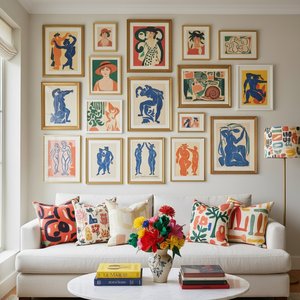
アンリ・マティスの傑作25選:色彩と情熱の軌跡|OriginalUniqueArt
アンリ・マティスの傑作25選🎨 色彩と情熱が織りなす世界を旅する。フォーヴィスム代表の巨匠、マティスの絵画の魅力と歴史を紐解きます。OriginalUniqueArtで高品質なアートプリントや複製画を見つけ、インテリアに芸術的な輝きを✨ Explore the full collection online