

 設置イメージを確認
 送る
送る シェア
シェア
 詳細情報
詳細情報 ガイドを表示

 画像をダウンロード
 似ている作品
 X線調査
X線調査 スライドショー
 統計情報
統計情報Rock studies
 Oil
Oil- WallArt
- Romantic Landscape
 19th Century
 18.0 x 24.0 cm
 クーパーシュチッヒカビネット
 続きを読む
続きを読む
ジークレー/アートプリント
スピーディーな制作と多彩な仕上げオプションが魅力の、ミュージアムクオリティなジークレー・キャンバスプリント。 ( 手描きの複製画を注文する デジタル画像販売へ切り替え)




P118B ¥10

P118H ¥10

P118W ¥10

P438Z ¥10

P508JH ¥12

P508YH ¥12

P805H ¥10

P805Z ¥10

P919BZ ¥10

P919G ¥10

P919XJ ¥10

P959ZH ¥10

P968JZ ¥12

W106C ¥8

W218G ¥10

W218JH ¥8

W218Y ¥10

W307PJ ¥10

W316G ¥10

W316PJ ¥8

W316Y ¥10

W398PJ ¥8

W4111J ¥10

W500HY ¥15

W500JH ¥15

W692G ¥12

W849H ¥8

W940BG ¥15

W953PJ ¥8




作品のオリジナル比率に合わせた、当店の規定サイズからお選びください。

額縁や壁のスペースに合わせて、ご希望の幅と高さを入力してください。プリントはカットすることは可能ですが、元の画像より大きくすることはできないため、異なる比率のサイズを選択された場合は、画像の一部が欠けることになります。印刷を開始する前に、内容を確認していただくためのデジタルモックアップをお送りいたします。このページに表示されている画像は、実際のカット後の状態を示すものではありません。実際の仕上がりはモックアップにてご確認ください。


 ガラスオプションは、110cm未満のサイズでのみご利用いただけます。

Rock studies
ジークレー/アートプリント
複製画サイズ一覧
-


合計金額
¥ 12582
A Symphony of Solitude: The Ethereal Essence of Rock Studies
In the quietude of Caspar David Friedrich's "Rock Studies," we encounter more than a mere landscape; we enter a sanctuary of profound spiritual contemplation. Painted around 1830, this masterpiece serves as a quintessential emblem of the German Romantic movement, capturing a moment where the physical world dissolves into the metaphysical. The composition is anchored by a solitary pine tree, its rugged form standing as a silent sentinel amidst a sea of misty hills and heavy, overcast skies. There is an undeniable gravity to the scene, a weightiness that pulls the viewer inward, inviting a deep, meditative stillness. For the discerning collector or interior designer, this piece offers a focal point of immense character, bringing a sense of grounded tranquility and intellectual depth to any curated space.
The technical mastery behind Friedrich’s vision lies in his delicate use of Atmosphäre—a technique where thin, translucent glazes of oil paint are layered with painstaking precision. This method allows light to appear as if it is breathing through the canvas, creating luminous tonal gradations that mimic the way morning mist clings to a forest floor. His palette is intentionally restrained, relying on a sophisticated harmony of muted browns, deep mossy greens, and somber blues. These colors do not merely represent nature; they evoke the very feeling of damp earth and cool air. The interplay of light and shadow creates a sense of immense depth, where the distant, hazy mountains seem to recede into infinity, much like the boundless reaches of the human soul.
Symbolism and the Sublime Connection
To gaze upon "Rock Studies" is to engage with the theological and philosophical currents of the early 19th century. Friedrich, deeply influenced by the spiritual tenets of his era, viewed the natural world as a divine manuscript. The upward-reaching branches of the central pine tree act as a powerful metaphor for human aspiration and resilience, reaching toward the heavens while remaining firmly rooted in the earthly realm. This duality—the tension between our physical existence and our spiritual yearning—is the heartbeat of the painting. The presence of a subtle cross or religious undertone within the landscape serves to remind the viewer that, in the eyes of the Romantic artist, God is found not in grand cathedrals, but in the silent majesty of the wild.
For those seeking to incorporate art into a modern living environment, this reproduction offers a unique emotional resonance. It provides a window into a world of sublime beauty, where the vastness of nature humbles the observer and encourages introspection. Whether placed in a quiet study, a minimalist gallery, or a sophisticated lounge, "Rock Studies" acts as an anchor of peace. It is a piece that does not demand attention through loud colors or chaotic movement, but rather commands respect through its quiet, enduring strength and its ability to transform a room into a space of profound reflection and timeless elegance.
よくあるご質問
原画のカスパー・ダヴィッド・フリードリヒ作「Rock studies」の技法とサイズを教えてください。
「Rock studies」はOilで制作されており、原寸は18 x 24 cmです。
カスパー・ダヴィッド・フリードリヒ作「Rock studies」の色使いは、どのような感情を呼び起こしますか?
「Rock studies」では、Darkの色調がReflectiveな情緒を添えています。
「Rock studies」にはどのような感情が込められていますか?
カスパー・ダヴィッド・フリードリヒ作「Rock studies」は、Reflectiveな情緒を伝えています。
アーティストについて
カスパル・ダヴィッド・フリードリヒ:魂を映す風景画家
1774年、ドイツのグライフスヴァルトで生まれたカスパル・ダヴィッド・フリードリヒは、その生涯と作品を通して、ロマン主義絵画の頂点を極めた芸術家である。幼少期から母親や兄弟を亡くした悲しみは、彼の心に深い影を落とし、自然の中に慰めを求め、死と時の流れに対する繊細な感受性を育んだ。兄クリスティアンからの素描教育を受け、ライプツィヒ大学で神学も学ぶ中で、視覚芸術への情熱と精神的な探求心が深まっていった。コペンハーゲン王立美術アカデミーでの研鑽を経て、ドレスデンに拠点を定め、ロマン主義の思想が渦巻く文化の中心地で独自の表現を追求していくことになる。フリードリヒにとって風景画とは、単なる自然描写ではなく、内面の感情や精神性を投影する媒体であり、その作品は見る者の魂を揺さぶる力を持つ。ロマン主義的風景の誕生:象徴と深遠
フリードリヒの芸術は、伝統的な絵画様式からの脱却を意味していた。緻密な描写よりも、感情や主観性を重視し、自然の中に潜む神秘性と崇高さを表現しようとしたのである。彼の作品の特徴として、背を向けて風景を見つめる人物(Rückenfiguren)が頻繁に登場する。これは、鑑賞者に作品世界へと誘い込み、共に自然の壮大さと静寂を感じ取ることを促すための技法である。古木、そびえ立つ山々、霧、廃墟といった自然元素は、単なる背景ではなく、人生のサイクル、精神的な憧憬、そして歴史の重みを象徴する存在として描かれている。青、灰色、茶色を基調とした色彩も、作品に内省的で沈鬱な雰囲気を添えている。フリードリヒは、風景を通して人間の魂の深淵を探求し、ロマン主義絵画における新たな境地を開拓したのである。代表作と普遍的なテーマ
フリードリヒの傑作として知られる「オークの森の修道院」(1809-1810年)は、荒れ果てた墓地と老朽化した教会が描かれた作品であり、死と喪失、そして時の流れに対する深い考察を喚起する。彼の最も有名な作品の一つである「霧海の遊歩者」(c. 1818年)は、ロマン主義の理想を体現した傑作として知られる。無限に広がる霧海を見つめる人物のシルエットは、人間の願望と無力さ、そして宇宙との一体感を象徴している。「リューゲンの崖」(1818年)は、彼の卓越した空気感描写を示す作品であり、初期ドイツのナショナリズムの高まりを反映する要素も含まれている。さらに劇的な「氷海」(1824年)は、自然の圧倒的な力と人間の運命に対する無関心さを表現し、見る者に畏怖の念を抱かせる。彼の作品には、神性を宿した自然、宇宙規模での人間の小ささ、孤独感、精神的探求、そしてドイツ国民意識といった普遍的なテーマが繰り返し現れる。影響と再評価:ロマン主義を超えて
フリードリヒは、17世紀のオランダ絵画や、イマヌエル・カントの哲学など、多様な影響を受けていた。彼の作品は、初期には賛否両論あったものの、20世紀に入り、その芸術的価値が再評価され、象徴主義、シュルレアリスム、実存主義といった後世の芸術運動に大きな影響を与えた。ナチス政権下では一時的に脚光を浴びたものの、その後再び忘れ去られていた時期もあった。しかし、1970年代以降、フリードリヒは国際的な評価を取り戻し、ドイツ・ロマン主義を代表する芸術家として確固たる地位を築いている。彼の作品は、現代においても多くの人々に感動を与え続け、自然との深いつながりや人間の内面世界を探求する普遍的なテーマを提示している。歴史的意義:時代の魂を映し出す鏡
カスパル・ダヴィッド・フリードリヒの芸術は、ロマン主義という時代精神を体現したものであった。啓蒙主義の合理性を否定し、感情、想像力、個人の主観性を重視するロマン主義運動において、フリードリヒは自然を神聖な存在として描き出し、人間の内面世界との対話を通して、新たな芸術表現を開拓した。彼の作品は、当時のドイツ社会におけるナショナリズムの高揚と密接に関連しており、共通の文化的遺産に対する意識を醸成する役割を果たした。フリードリヒが1840年にドレスデンで亡くなった後も、その影響は時代を超えて受け継がれ、現代においても多くの芸術家や鑑賞者に深い感銘を与え続けている。彼の作品は、単なる風景画ではなく、人間の魂を映し出す鏡であり、自然との調和と精神的な探求の重要性を私たちに教えてくれるのである。
カスパー・ダヴィッド・フリードリヒ
1774 - 1840 , ドイツ
アーティスト情報
- フルネーム: カスパール・ダヴィド・フリードリヒ
- 主な作品:
- 聖堂のオーク林
- 気まぐれな海上の旅人
- リューゲンの白い崖
- 氷海
- 出生地: グライフスヴァルト、ドイツ
- 国籍: ドイツ
- 影響を与えたアーティストまたは運動:
- 象徴主義
- シュルレアリスム
- 影響を受けたアーティスト: ['ヤコブ・ファン・ルイスダール']
- 死亡年月日: 1840年5月7日
- 生年月日: 1774年9月5日
- 芸術運動またはスタイル: ロマン主義
関連記事
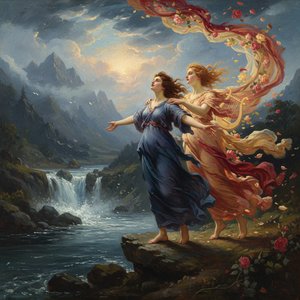
The Sublime and the Sensual: Exploring Emotion & Individuality in Romanticism's Artistic Revolution
Explore the passionate world of Romanticism! Discover masterpieces by Friedrich & Goya, delve into the sublime, and understand the movement's lasting impact on art history. Expert analysis & insights.
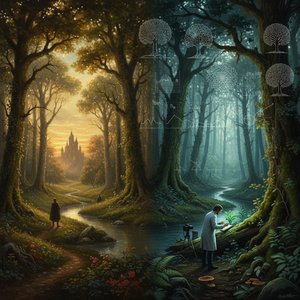
The Enchanted Canopy: Exploring Forests in Art History – From Romantic Idealization to Ecological Consciousness
Explore the rich history of forests in art! Discover Romantic masterpieces by Friedrich & Monet, Symbolist depths, and contemporary visions. Find inspiration & quality reproductions at OriginalUniqueArt.
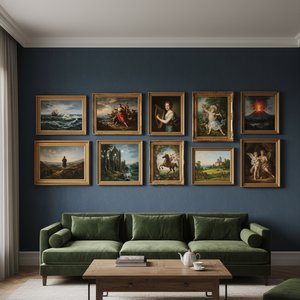
ロマン主義を彩る至宝:時代を象徴する10大名作の世界
ロマン主義を代表する10大名作を紐解く!ドラクロワ、ルーベンスなど巨匠たちの情熱と色彩が息づく世界。時代を超えて愛される傑作の物語を深く探求し、お部屋に彩りを添える高品質なアートプリントを見つけましょう。OriginalUniqueArt.comで全ての作品を発見してください。

Caspar David Friedrich: Romanticism's Master of Landscape & the Sublimity of Inner Experience
Explore the profound landscapes of Caspar David Friedrich, a master of German Romanticism. Discover the symbolism, themes & enduring influence of this iconic artist. A deep dive into his life and work.

ロマン派ランドスケープ:時代を彩る巨匠の10選|アートとインテリアの世界
ロマン派絵画の時代を彩る10選。巨匠たちの風景が織りなす感動の世界へ。ターナー、ルーベンスなど、名作の裏話と高精細複製でアートをお部屋に。OriginalUniqueArt.comで至福のアート体験を。


