
 設置イメージを確認
 送る
送る シェア
シェア
 詳細情報
詳細情報 ガイドを表示

 画像をダウンロード
 似ている作品
 X線調査
X線調査 スライドショー
 Q&A
Q&A 統計情報
統計情報Picos de Europa

- 31.0 x 41.0 cm


 続きを読む
続きを読む
ウェブ上のプレビューを遥かに凌駕する、印刷に最適なファイルをご提供します。当サイトで販売しているすべてのデジタル画像は、弊社のデータベース内にある高解像度のマスターデータ(通常、幅5,000〜15,000ピクセル)から作成されています。そのため、大判印刷やタイトなクロップ、細部まで緻密な再現も、安心してお楽しみいただけます。
当スタジオから送り出される画像は、すべて丁寧に加工されています。デジタルエキスパートが原画と照らし合わせて色調を精査し、必要に応じて補正を行った上で、プロ仕様のリタッチツールを用いて鮮明さと細部を向上させます。その際、アーティストの筆致やスタイルに忠実であることを常に追求しています。その結果、単なるスキャン画像にフィルターをかけたようなものではなく、まるで本物の絵画を見ているかのような仕上がりを実現しています。
仕上がりをご確認いただいてから完了となります。専門スタッフが、ご確認用の画像を72時間以内にメールでお送りいたします。もしご満足いただけない場合は、修正や改善のご要望を承るほか、品質が基準に満たない場合には返金も可能です。
出版社、デザインスタジオ、ギャラリー、そして印刷所から信頼される品質です。
デジタル画像
個人での鑑賞、印刷、クリエイティブなプロジェクトにご利用いただける高解像度ファイルをダウンロードできます。 ( プリント版に切り替え 手描きの複製画を注文する)
デジタル画像のご注文に付随する特典
プロフェッショナルなデジタル配信を、確かな品質で。
OriginalUniqueArt.com を選ぶことは、単に画像を手に入れることではありません。プロの手によって精密に仕上げられ、満足保証が付いた高品質なデジタルアートワークを受け取ることを意味します。ご注文いただいた際に自動的に付随する内容は、以下の通りです:

メールですぐにお届け
ご注文から72時間以内に、高解像度のデジタル画像ファイルをメールでお送りいたします。お手元に届き次第、すぐにご利用いただけます。

AI技術で最適化されたデジタルファイル
お客様の作品は、高度なAI技術と専門家による手作業を組み合わせてプロフェッショナルに最適化されており、細部のディテール、鮮明さ、そして正確な色再現性を最大限に引き出しています。

一生涯無料の再送サービス
ファイルを誤って削除したり、紛失してしまったりしましたか?ご安心ください。いつでも無料で再送いたします。

輸入手数料は、いつでも一切かかりません
関税や手数料、配送料を気にすることなく、お気に入りのアートワークをすぐにお楽しみいただけます。デジタルダウンロードは常に免税です。

正確な色彩の保証
プロ仕様のツールとカラーマネジメント技術を用いることで、デジタル画像が元の色を最大限に忠実に再現することを保証いたします。

100日間満足保証
ご購入いただいたデジタル画像にご満足いただけない場合は、100日以内であれば、理由を問わず修正または100%の返金対応をさせていただきます。

100% 返金保証
ご満足いただけない場合は、デジタルファイルを受け取ってから100日以内であれば、理由を問わず全額返金いたします。

まとめ買い割引
3枚購入で10%OFF、5枚購入で15%OFF、10枚以上のご購入で20%OFF。クリエイティブなプロジェクトやギャラリー、エージェンシーに最適です。
A Breath of Alpine Majesty
In the quiet majesty of Picos de Europa, we encounter more than just a landscape; we enter a profound dialogue between the earth and the sky. Painted in 1874 by the master of Spanish realism, Carlos de Haes, this work captures the rugged, untamed spirit of one of Spain's most iconic mountain ranges. The scene unfolds with a breathtaking sense of scale, where two prominent peaks rise through a veil of drifting clouds, their slopes draped in a lush, verdant tapestry of greenery. As the eye wanders across the canvas, it discovers a delicate balance of textures—from the soft, ephemeral movement of the sky to the solid, enduring presence of the ancient stone and scattered trees that anchor the composition.
The painting serves as a masterful window into the en plein air tradition. De Haes, influenced by his Flemish training under Joseph Quinaux, brings an unparalleled level of observational truth to this piece. Every brushstroke feels intentional, contributing to a sense of depth that pulls the viewer into the cool, mountain air. The interplay of light and shadow across the undulating terrain creates a dynamic atmosphere, where the clouds do not merely sit in the sky but seem to dance around the summits, suggesting the fleeting, ever-changing nature of the natural world.
The Legacy of Realism and Natural Truth
To understand Picos de Europa is to understand the pivotal moment in art history when painters moved away from idealized, studio-bound fantasies toward a sincere devotion to nature. Carlos de Haes was a pioneer of this movement in Spain, bridging the gap between Northern European precision and the vibrant, sun-drenched landscapes of his adopted home. This particular work exemplifies his ability to capture the geological soul of a place. There is no unnecessary drama here—only the quiet, powerful reality of the mountains, rendered with a meticulousness that honors the true character of the landscape.
For the discerning collector or interior designer, this reproduction offers a sophisticated focal point that brings an element of organic tranquility to any space. The lush greens and earthy tones provide a grounding presence, making it an ideal selection for rooms designed for contemplation or refined elegance. It is not merely a decoration; it is an invitation to pause and reconnect with the sublime beauty of the natural world, offering a timeless sense of peace that transcends the modern era.
よくあるご質問
Carlos de Haes作「Picos de Europa」は、どの芸術運動に属していますか?
Carlos de Haes作「Picos de Europa」はRealismに属しています。このムーブメントは、本作の様式的な背景を形作るものです。
Carlos de Haes作「Picos de Europa」 の技法(画材)は何ですか?
Carlos de Haesは、「Picos de Europa」においてOilの技法を用いています。この技法が、原画の素材としての性質を決定づけています。
Carlos de Haes作「Picos de Europa」のデジタルデータを入手するには、どうすればよいですか?
「Picos de Europa」は、デジタル画像ページにて直接ご購入いただける高解像度デジタル画像のダウンロードとしてご利用いただけます。
アーティスト・プロフィール
A Pioneer of Spanish Realist Landscape Painting
Carlos de Haes, born in Brussels in 1829 and later a defining figure in Spanish art, occupies a unique position as a bridge between Northern European landscape traditions and the burgeoning realist movement within Spain. His journey began not amidst artistic circles, but within a family of bankers, a background that would subtly inform his meticulous approach to observation and representation. The relocation to Málaga in 1835 proved pivotal, immersing the young artist into a distinctly Spanish light and culture that would become the enduring subject of his work. Early training under Luis de la Cruz y Ríos, a neoclassical portraitist, provided a foundational skill set, but it was his subsequent studies with Joseph Quinaux, a Flemish landscape painter, that truly ignited his artistic path. Quinaux instilled in him the revolutionary practice of *en plein air* painting – working directly from nature – a method that would become synonymous with de Haes’s name and fundamentally alter Spanish art education. These formative years were further enriched by extensive travels throughout Europe—Holland, France, and Germany—exposing him to diverse artistic styles and broadening his understanding of landscape representation.Forging a New Path in Spain
Returning to Spain in 1855, de Haes actively engaged with the National Exhibitions of Fine Arts, steadily gaining recognition for his increasingly sophisticated landscapes. However, it was his appointment as professor of landscape painting at the Real Academia de Bellas Artes de San Fernando in 1857 that cemented his legacy. This wasn’t merely a professional advancement; it was a paradigm shift. De Haes championed *en plein air* painting and direct observation from nature—a radical departure from the then-prevalent studio-bound academic tradition. He became an Academician at the Royal Academy in 1860, further solidifying his influence. His teaching extended far beyond technical instruction; he fostered a generation of landscape painters who embraced outdoor work and sought to capture the essence of Spain’s diverse topography. Among his most notable students were Jaime Morera, Aureliano de Beruete, and Darío de Regoyos—artists who would themselves become leading figures in Spanish Realism. While *La Canal de Mancorbo en los Picos de Europa*, submitted to the 1876 National Exhibition, didn’t initially receive a prize, its profound impact was undeniable. The painting's realistic depiction of the rugged Spanish landscape resonated deeply and was subsequently acquired by the Museo del Prado, marking a significant moment in the acceptance of landscape as a serious genre within the Spanish art world.Style, Influences, and Artistic Evolution
De Haes is fundamentally recognized as a Realist painter, prioritizing accurate representation over romanticized ideals. His early work reflects this commitment, meticulously capturing the details of light, atmosphere, and terrain. However, his style wasn’t static. Over time, it evolved towards the aesthetic principles of the Barbizon School, characterized by looser brushwork and an increased emphasis on conveying atmospheric effects. This shift is evident in a growing sensitivity to mood and nuance within his landscapes. The influence of Joseph Quinaux remained paramount throughout his career, continually reinforcing the importance of direct observation. Beyond this foundational mentorship, de Haes drew inspiration from broader European landscape traditions encountered during his travels, synthesizing these influences into a uniquely Spanish vision. He wasn’t simply replicating what he saw; he was interpreting it through a lens shaped by his Belgian origins and his deep immersion in the Spanish environment. This synthesis allowed him to capture “something of a particularly Spanish ‘essence’” as contemporaries noted—a quality that distinguished his work from purely imitative representations.A Lasting Legacy
Carlos de Haes left behind an extensive body of work – approximately 4,000 paintings and sketches – now scattered across various institutions including the Carmen Thyssen Museum in Málaga, the Lleida Museum, and, most notably, the Museo del Prado. His influence on Spanish landscape painting remains profound. He not only revolutionized artistic practice through his advocacy of *en plein air* painting but also elevated the status of landscape within the broader art world. The generation of artists he mentored continued to build upon his foundations, further developing Spanish Realism and establishing a vibrant tradition of outdoor painting. His dedication to depicting Spain’s natural beauty with accuracy and sensitivity continues to inspire artists today. Even literary figures recognized his contribution; Rubén Darío acknowledged Haes's artistic merit, cementing his place in Spanish cultural history. La Canal de Mancorbo en los Picos de Europa, remains a testament to his skill—a powerful example of how meticulous observation and a deep connection to the land can result in art that transcends mere representation and captures the very soul of a nation.Exploring De Haes’s Work Today
Fortunately, experiencing the artistry of Carlos de Haes is more accessible than ever. OriginalUniqueArt.com offers meticulously hand-painted reproductions of his iconic works, allowing art enthusiasts to bring the beauty and realism of Spanish landscapes into their own homes. From detailed copies of Los Picos de Europa, capturing the grandeur of the mountains, to serene depictions like Left Channel, showcasing his mastery of light and atmosphere, these reproductions offer a tangible connection to a pivotal figure in art history. Exploring his oeuvre through platforms like OriginalUniqueArt provides not only aesthetic pleasure but also an opportunity to appreciate the enduring legacy of a painter who dared to challenge convention and capture the essence of Spain with unparalleled skill and sensitivity.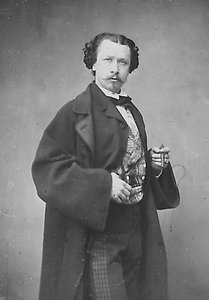
Carlos de Haes
1829 - 1898 , Belgium
略歴
- Full Name: Carlos Sebastián Pedro Hubert de Haes
- Nationality: Spanish
- Date Of Birth: 1829
- Date Of Death: 1898
- Place Of Birth: Brussels, Belgium
- Notable Artworks: ['La Canal de Mancorbo en los Picos de Europa']
- Artistic Movement Or Style: Realism
- Artists Who Influenced This Artist: ['Joseph Quinaux']
- Artists Or Movements Influenced By This Artist:
- Jaime Morera
- Aureliano de Beruete
- Darío de Regoyos