

 設置イメージを確認
 送る
送る シェア
シェア
 詳細情報
詳細情報 ガイドを表示

 画像をダウンロード
 似ている作品
 X線調査
X線調査 スライドショー
 統計情報
統計情報Cromo interferencia (Chromo-Interference)


 続きを読む
続きを読む
手描き油彩複製画
当社のアーティストが、お客様のご希望のサイズと額縁に合わせて、キャンバスに手描きで制作する油彩画です。 ( プリント版に切り替え デジタル画像販売へ切り替え)




P118B $10

P118H $10

P118W $10

P438Z $10

P508JH $12

P508YH $12

P805H $10

P805Z $10

P919BZ $10

P919G $10

P919XJ $10

P959ZH $10

P968JZ $12

W106C $8

W218G $10

W218JH $8

W218Y $10

W307PJ $10

W316G $10

W316PJ $8

W316Y $10

W398PJ $8

W4111J $10

W500HY $15

W500JH $15

W692G $12

W849H $8

W940BG $15

W953PJ $8




作品のオリジナル比率に合わせた、当店の規定サイズからお選びください。

特定のフレームやスペースに合わせて、ご希望のサイズをご入力いただけます。選択されたサイズが元の画像の比率と異なる場合、アートワークをトリミングするか、手描きで要素を追加して絵画を拡張いたします。デジタルモックアップ を制作し、制作開始前にご確認(承認)をいただきます。
画面上のプレビューは、実際のトリミングや拡張を正確に反映しているものではありません。最終的な構図は、モックアップによってのみ正確にご確認いただけます。
カスタムサイズもご利用いただけますが、元の比率を維持するためには、あらかじめ用意されたリストからサイズを選択することをお勧めいたします。
ご注文後、OriginalUniqueArt.com チームより詳細な指示をお送りするとともに、仕上がりイメージ(モックアップ)をご提供いたします。


 ガラスオプションは、110cm未満のサイズでのみご利用いただけます。

Cromo interferencia (Chromo-Interference)
再現技法
複製画サイズ一覧
-


合計金額
$ 300
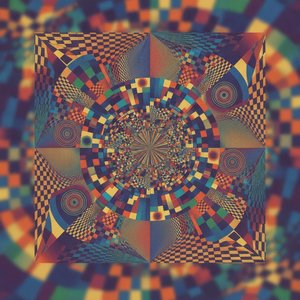
A Dance of Perception: Exploring Carlos Cruz-Diez’s “Cromo interferencia”
Carlos Cruz-Diez wasn't merely an artist; he was a provocateur of the senses, a pioneer who fundamentally challenged our understanding of how we perceive color. His work isn’t about replicating visual reality but rather inviting us into a dialogue with it – a conversation between the viewer and the very essence of chromatic experience. “Cromo interferencia” (Chromo-Interference), created in 1981, stands as a prime example of this philosophy, a mesmerizing exploration of light, space, and the mutable nature of color itself.
At first glance, the painting presents a deceptively simple arrangement: a square divided into four quadrants, each filled with a distinct palette of colors – vibrant blues, deep greens, fiery oranges, and rich reds. However, this is merely the starting point. The true magic lies in the subtle interplay between these hues, achieved through a clever layering technique utilizing transparent acrylic sheets. These sheets, strategically positioned within the larger composition, act as filters, manipulating the light that passes through them and creating an astonishing array of optical effects.
The Science of Illusion: Color Theory and Perception
Cruz-Diez’s work is deeply rooted in scientific principles, particularly the fields of color theory and perception. He meticulously studied how our eyes interpret color – not as inherent properties of objects but as a product of interaction between light, surface, and the human visual system. This research led him to believe that color wasn't static; it was dynamic, constantly shifting depending on our perspective and the surrounding environment. “Cromo interferencia” embodies this concept perfectly. As you move around the painting, the colors appear to dance, shimmer, and morph, creating an illusion of depth and movement that defies conventional representation.
The artist’s approach draws heavily from the work of scientists like Johannes Kepler, who explored the nature of color perception in the 17th century. Cruz-Diez built upon this foundation, developing his own unique methodology for manipulating light and creating perceptual illusions. He wasn't simply painting colors; he was engineering an experience – a carefully orchestrated sensory event designed to disrupt our preconceived notions about how color functions.
Kinetic Art and the Expanding Canvas
“Cromo interferencia” firmly places Cruz-Diez within the lineage of Kinetic art, a movement that emerged in the mid-20th century and celebrated the integration of movement into visual art. Unlike traditional paintings, which are static objects, Kinetic artworks engage with their environment and respond to the viewer’s presence. Cruz-Diez's work extends this principle by incorporating the element of *movement* through the shifting colors and patterns created by the transparent overlays. This creates a dynamic, ever-changing visual field that invites active participation from the observer.
Furthermore, “Cromo interferencia” can be considered a precursor to Op art – Optical Art – which similarly utilizes illusions of movement and spatial depth through carefully controlled patterns and colors. Both movements share a common goal: to challenge our perception of reality and demonstrate the subjective nature of visual experience.
A Reflection on Color’s Ephemerality
Beyond its technical brilliance, “Cromo interferencia” carries a profound philosophical message. Cruz-Diez believed that color was inherently unstable, constantly transforming in response to light, space, and our own perception. The painting serves as a visual metaphor for this ephemeral quality – a reminder that what we perceive as "color" is not an inherent property of objects but rather a fleeting interaction between light, surface, and the human eye. It’s a meditation on the transient nature of experience and the beauty of impermanence.
Reproductions of “Cromo interferencia” offer a tantalizing glimpse into this world of perceptual illusion. They provide a tangible way to engage with Cruz-Diez's groundbreaking ideas, inviting viewers to explore the fascinating interplay between science, art, and human perception. Whether displayed as a striking centerpiece in a contemporary interior or studied as an example of pioneering Kinetic art, “Cromo interferencia” continues to captivate and inspire.
アーティストについて
色彩に浸された人生:カルロス・クルス=ディエスという世界
1923年にベネズエラのカラカスで生まれ、2019年に息を引き取ったカルロス・クルス=ディエスは、単なる芸術家ではありませんでした。彼は知覚そのものを追い求める探求者であり、色を媒体とする哲学者でした。彼は20世紀と21世紀における最も革新的な人物の一人として君臨し、キネティック・アートとオプ・アートの両方の先駆者として称賛され、「色彩の巨匠」という当然の称号を得ました。彼の作品は単なる視覚体験を超越し、私たちが現実そのものをどのように知覚するのかについて、哲学的な思索へと鑑賞者を誘います。クルス=ディエスの広範な研究は、芸術における色彩現象の理解を根本的に進め、その知覚的可能性を劇的に拡大し、美術表現に関する従来の概念に挑戦しました。彼は、色が物体固有のものではなく、時間と空間の中で動的に進化する自律的な実体であると信じていました。それは静的な観察から生まれた啓示ではなく、相互作用から生まれた発見だったのです。初期の影響と抽象化への道筋
クルス=ディエスの芸術の旅は、1940年にカラカスのプラスティク・アンド・アプライド・アーツ学校での正式な訓練から始まり、1945年までに美術教育と手工芸の学位を取得しました。しかし、彼の初期のキャリアは実用的な方向へと進みます。彼はまずクレオール石油公社(1944年~1945年)の出版物デザイナーとして、その後カラカスとニューヨークの両方のマッキャン・エリクソン広告代理店でアートディレクターとして働きました(1946年~1951年)。これらの経験は、一見すると純粋芸術の世界からかけ離れているように思えますが、視覚伝達とデザインの力を理解する彼の感覚を磨き上げました。この時期に、彼は自身の将来の芸術的探求を形作る影響を受け入れ始めます。ジョルジュ・スーラの点描技法は、光り輝く効果を生み出すための色彩の緻密な適用によって彼に深く共鳴しました。同様に重要だったのが、色彩関係と知覚錯視に関する調査を行ったヨーゼフ・アルベルスの作品です。それはクルス=ディエス自身の研究にとって決定的な基盤を提供しました。旅の途中で多様な植物生命に触れたことは、自然界に見られる色の微妙な変化や相互作用への彼の関心をさらに刺激しました。これらの初期の影響が結集し、彼を伝統的な絵画から、より実験的で概念主導のアプローチへと移行させる舞台を整えたのです。フィジクロミーの誕生:出来事としての色彩
1957年までに、クルス=ディエスはベネズエラに帰国し、「視覚芸術スタジオ」を設立し、キネティック・アートにおける色の役割の探求に身を捧げました。これは彼の芸術的実践における決定的な転換点となりました。1959年、彼は「色彩の放射」、すなわち色付きの光を用いて制作を開始し、実質的に絵具を主要な媒体として放棄しました。これは単なる素材の変化ではなく、視点の根本的な転換でした。ブレークスルーは、エドウィン・ランドによる偏光レンズに関する画期的な研究に触発され、彼の代名詞となった「フィジクロミー」の開発によってもたらされました。これらの作品は、格子状の構造と一見静止している外観を特徴としていますが、鑑賞者が周りを動くとダイナミックな色の変化が現れます。クルス=ディエスが関心を持っていたのは、物体や風景を描写することではありませんでした。彼は、色そのものが主題となる体験、すなわち観察者の位置と知覚に依存して絶えず進化する現象を創り出すことを目指していたのです。フィジクロミーは「見る」ための絵画ではなく、「経験する」べき環境であり、鑑賞者からの能動的な参加を要求しました。彼は、視点の変化によって生じるこの動きの感覚を「振動(vibrations)」と名付けました。この鑑賞者との相互作用への重点こそが彼の芸術哲学の中心であり、色が固定された性質として存在するのではなく、時間と空間の中で展開する出来事であることを証明していたのです。遺産と永続的な影響
同じくベネズエラ人アーティストであるヘスス・ラファエル・ソトやアレハンドロ・オテロと共に、カルロス・クルス=ディエスはベネズエラの国際的な芸術界における地位確立に極めて重要な役割を果たしました。彼の研究は色彩現象の新たな理解に大きく貢献し、その知覚の宇宙を広げ、鑑賞者との相互作用を通じて色がどのように自律的な現実となるかを示しました。ギャラリーの壁を越えて、クルス=ディエスは公共空間へと芸術的ビジョンを広げ、マイアミ・マーリンズ球場の横断歩道やカラカス空港での作品、ヒューストン大学でのプロジェクトなど、注目すべきインスタレーションを制作しました。彼の芸術は現在、MoMA(ニューヨーク)、テート・モダン(ロンドン)、ポンピドゥー・センター(パリ)、ファインアーツ美術館(ヒューストン)といった世界有数の美術館に展示されており、20世紀と21世紀の芸術における重要人物としての地位を確固たるものにしています。クルス=ディエスが活動した時代は、工業化と石油輸出によって活気づいたベネズエラにおいて大きな文化変革期であり、伝統的な絵画様式に異議を唱えるアーティストたちを受け入れる土壌がありました。彼の作品はまた、露骨な政治的メッセージを持たないことから、当時のエリート層の間でも共鳴し人気を博しました。さらに、鑑賞体験の不可欠な部分として環境や出来事に焦点を当てた点は、フラクサス・グループと概念的に一致しており、参加型アートの実践への共通の関心を示しています。カルロス・クルス=ディエスが色、線、そして鑑賞者の知覚に捧げた献身は、現代美術に消しがたい痕跡を残し、何世代ものアーティストに視覚体験の動的な可能性を探求するインスピレーションを与え、私たち一人ひとりに周囲の世界をどのように認識しているのかを再考するよう挑んでいるのです。
カルロス・クルス=ディエス
1923 - , ベネズエラ
アーティスト情報
- Artistic Movement Or Style: キネティック&オプアート
- Artists Or Movements Influenced By This Artist:
- ヘスス・ラファエル・ソト
- フルクサス
- Artists Who Influenced This Artist:
- ジョルジュ・スーラ
- ヨーゼフ・アルベルス
- Date Of Birth: 1923年
- Date Of Death: 2019年
- Full Name: カルロス・クルス=ディエス
- Nationality: ベネズエラ人
- Notable Artworks:
- フィジクロミー No 436
- クロモ干渉
- 色誘発
- Place Of Birth: カラカス、ベネズエラ
関連記事

Op Art Unveiled: The Science of Optical Illusion and Kinetic Movement in Geometric Abstraction
Explore the science of Op Art through the lens of masters like Victor Vasarely. Discover how geometric abstraction uses optical illusions to create movement and delve into the neuroaesthetics of perception with our expert art history guide.

The Architecture of Perception: A Collector's Guide to the Mesmerizing World of Op Art
Embark on a visual journey through the mesmerizing world of Op Art. Discover the masters of optical illusion, explore geometric abstraction, and learn how to curate high-impact kinetic works for your private collection with expert guidance from art professionals.

Chromatic Harmonies & Discord: A History of Color Theory in Art
Explore the fascinating evolution of color theory in art history! Discover Impressionism, Neo-Impressionism & beyond with expert insights for collectors and enthusiasts. Learn about Seurat's techniques & the psychology of color.

Victor Vasarely: Pioneering Op Art & Democratizing Visual Experience
Explore the revolutionary world of Victor Vasarely, father of Op Art. Discover his geometric masterpieces, artistic system, & lasting impact on modern design. A guide for discerning art collectors.
Mastering Illusion: The Vibrant World of Victor Vasarely's Op Art and the Geometry of Perception
Explore the mesmerizing world of Victor Vasarely. Discover how his Bauhaus-inspired Op Art masters the science of perception through geometric abstraction and vibrant color. A sophisticated guide for discerning art collectors seeking to understand the legacy of optical illusion.