
 プレビュー
プレビュー
 シェアする
シェアする シェアする
シェアする
 詳細を見る
詳細を見る

 ダウンロード
 似ている作品
 X線調査
X線調査 スライドショー
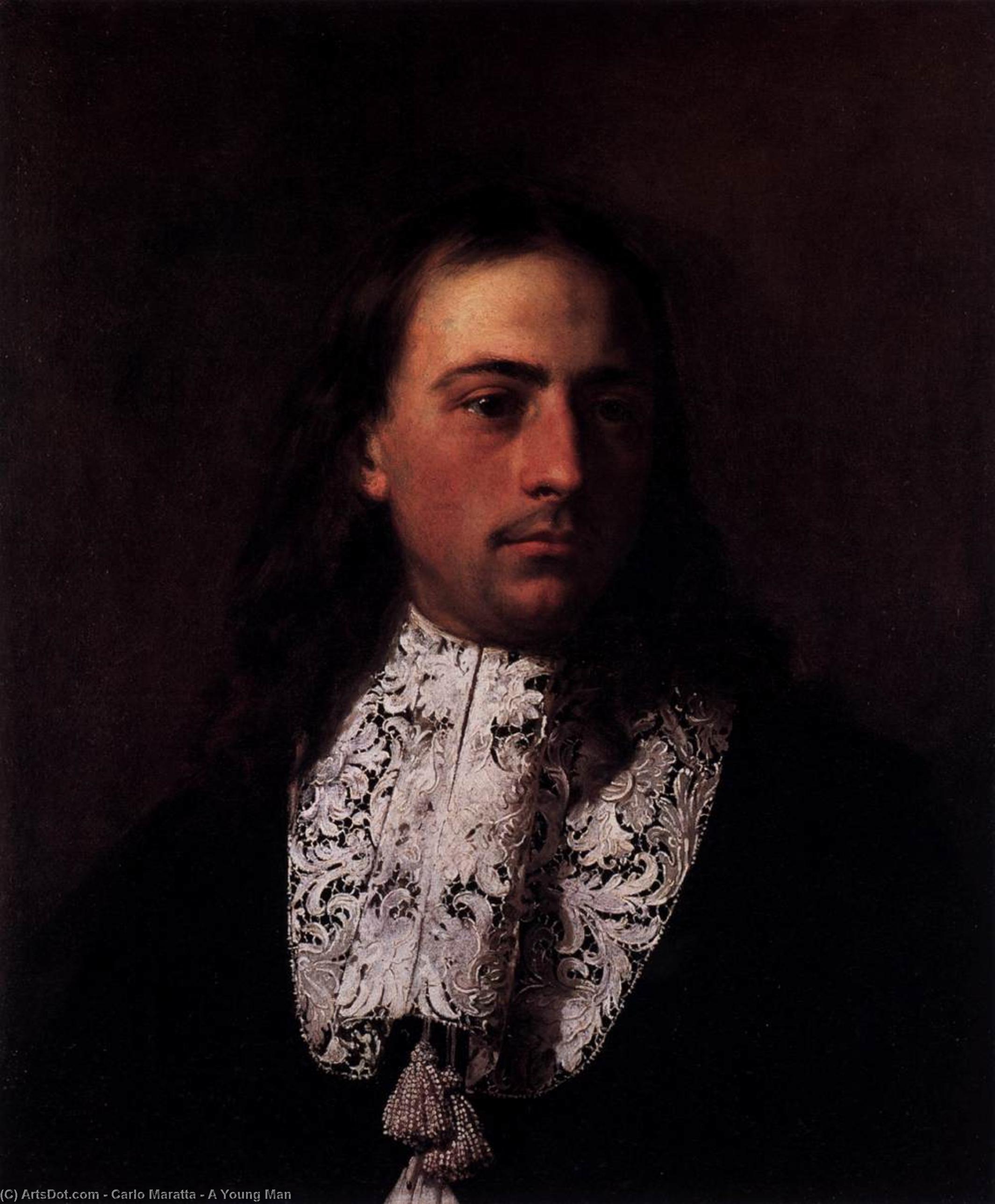
A Young Man
 Oil On Canvas
- WallArt
- Baroque Classicizing Style
 1663
1663 63.0 x 52.0 cm
 国立博物館群
 詳細を見る
詳細を見る
手描き油彩複製画
当社のアーティストが、お客様のご希望のサイズと額縁に合わせて、キャンバスに手描きで制作する油彩画です。 ( プリント版に切り替え 画像に切り替え)




P118B $10

P118H $10

P118W $10

P438Z $10

P508JH $12

P508YH $12

P805H $10

P805Z $10

P919BZ $10

P919G $10

P919XJ $10

P959ZH $10

P968JZ $12

W106C $8

W218G $10

W218JH $8

W218Y $10

W307PJ $10

W316G $10

W316PJ $8

W316Y $10

W398PJ $8

W4111J $10

W500HY $15

W500JH $15

W692G $12

W849H $8

W940BG $15

W953PJ $8




作品のオリジナル比率に合わせた、当店の規定サイズからお選びください。

特定のフレームやスペースに合わせて、ご希望のサイズをご入力いただけます。選択されたサイズが元の画像の比率と異なる場合、アートワークをトリミングするか、手描きで要素を追加して絵画を拡張いたします。デジタルモックアップ を制作し、制作開始前にご確認(承認)をいただきます。
画面上のプレビューは、実際のトリミングや拡張を正確に反映しているものではありません。最終的な構図は、モックアップによってのみ正確にご確認いただけます。
カスタムサイズもご利用いただけますが、元の比率を維持するためには、あらかじめ用意されたリストからサイズを選択することをお勧めいたします。
ご注文後、OriginalUniqueArt.com チームより詳細な指示をお送りするとともに、仕上がりイメージ(モックアップ)をご提供いたします。


 ガラスオプションは、110cm未満のサイズでのみご利用いただけます。

A Young Man
複製技法
複製画のサイズ
-


合計金額
$ 300
作品解説
The Enigmatic Youth: An Exploration of Carlo Maratta’s “A Young Man”
Carlo Maratta's "A Young Man," a captivating portrait from the heart of the Baroque era, isn’t merely a depiction of a young man; it’s an invitation into a world of refined elegance and nascent emotion. Painted in 1663, this oil on canvas offers a glimpse into the sensibilities of 17th-century Italy, revealing a masterful command of light, shadow, and psychological nuance that continues to resonate with viewers today. The painting immediately draws the eye with its subject’s direct gaze – an expression of quiet contemplation mingled with a hint of youthful confidence. He is presented within a richly textured interior, suggesting a space of private reflection, further enhancing the sense of intimacy created by Maratta's skillful rendering.
- Subject and Composition: The young man’s attire – a pristine white lace collar framing a ruffled neckline – speaks volumes about the era’s fashion sensibilities. The careful arrangement of his clothing, coupled with the subtle play of light on his features, highlights his status and youthfulness.
- Color Palette: Maratta employs a restrained yet sophisticated color palette dominated by warm browns, creams, and golds. These tones contribute to the painting’s overall sense of refinement and create a harmonious visual experience.
Baroque Techniques: A Dance of Light and Shadow
Maratta's genius lies not just in his subject matter but also in his technical prowess. He was a master of *chiaroscuro*, the dramatic use of light and shadow, which he employs here to sculpt the young man’s face and create a sense of three-dimensionality. Notice how the light gently illuminates his features, drawing attention to his eyes and mouth while leaving the background in relative darkness – a technique that intensifies the focus on the subject and evokes a feeling of mystery. The meticulous detail evident in the rendering of the lace collar and the folds of his clothing demonstrates Maratta’s dedication to realism and his ability to capture textures with remarkable precision.
- Brushwork: Maratta's brushstrokes are remarkably controlled, creating a smooth and polished surface that contributes to the painting’s overall sense of elegance.
- Layering Techniques: The artist skillfully layered colors to achieve depth and richness in his palette, adding subtle variations in tone to create a more dynamic and engaging image.
Historical Context and Artistic Legacy
“A Young Man” resides within the prestigious Staatliche Museen zu Berlin, a testament to its historical significance and artistic merit. Maratta’s work reflects the broader trends of the Baroque period – a time marked by both religious fervor and secular sophistication. He was deeply influenced by artists like Caravaggio and Annibale Carracci, absorbing their techniques while developing his own distinctive style. His portraits were highly sought after by European nobility and wealthy merchants, reflecting the growing importance of portraiture as a means of social status and personal expression. The painting’s enduring appeal lies in its ability to capture not just a likeness but also a sense of personality and inner life – qualities that continue to fascinate viewers centuries later.
Additional Research:**- IASblog — By Costanza Beltrami Carlo Maratta or Maratti was
- A Portrait of the Young Man, 1663 - Maratta, Carlo (Maratti, Carlo 1625-1713)
- IASblog — A Portrait of the Artist as a Young Man
Symbolism and Emotional Resonance
Beyond its technical brilliance, “A Young Man” is rich in symbolism. The young man’s direct gaze invites contemplation, suggesting an awareness of his own identity and place in the world. The lace collar, a fashionable accessory of the era, can be interpreted as a symbol of social status and refinement. The painting's overall mood is one of quiet introspection – a sense that the subject is grappling with profound questions about himself and his future. Maratta’s masterful use of light and shadow further enhances this emotional resonance, creating an image that is both visually stunning and psychologically compelling.
アーティストの略歴
ローマ・バロックを彩った巨匠、カルロ・マラッタ
カルロ・マラッタ(Marattiとも呼ばれる)は17世紀イタリア絵画において重要な位置を占める画家であり、盛期バロックからより洗練された古典主義的な美学への移行を体現しています。1625年5月15日、教皇領(現在のイタリアの一部)のカメラーノに生まれ、11歳の時にローマへ移り住み、その芸術的旅が始まりました。この転居は画期的な出来事となり、彼は測量された構図と古典主義への献身で知られる画家、アンドレア・サッキの工房に入ります。サッキの影響はマラッタの発展するスタイルに深く刻まれ、華麗なバロック様式とは一線を画す明瞭性、バランス、抑制された感情表現への傾倒を育みました。この弟子入りは単なる技術訓練ではなく、知的厳格さと調和のとれたデザインをドラマチックなスペクタクルよりも優先する芸術哲学への没頭でした。マラッタはこの原則を取り入れましたが、古典主義の枠に閉じこもることはなく、古典的な基盤とバロック様式の流れを巧みに融合させる卓越した能力を示しました。ローマでの華々しいキャリア
マラッタの才能はすぐに開花し、1650年代半ばにはすでに重要な依頼を受けるようになりました。初期の作品の一つである『受胎告知』(1656年、サンタ・マリア・デッラ・パチェ教会)は、光と動きを巧みに操り、宗教的な場面に深遠な精神性を吹き込む能力を示しています。彼は単に確立されたモデルを模倣するのではなく、優雅な人物像、洗練されたドレープ、そして微妙でありながら力強い色彩の使い方によって独自のビジョンを注入しました。この時期には『聖アウグスティヌスへの三位一体の啓示』(1655年頃)も制作され、古典主義的な理想とバロック様式のダイナミズムのバランスを見事に表現しています。彼の評判が高まるにつれて、依頼の規模と名声も高まりました。彼はローマの有力な家族に愛顧されるようになり、そして何よりも重要なことに、教皇庁からのパトロネージを得ることになります。60年以上にわたり、マラッタは少なくとも六人の教皇から依頼を受けました—これは彼の芸術的才能と政治的な洞察力の証です。この一貫した教皇の支援は経済的な安定をもたらしただけでなく、彼をローマの芸術的・文化的生活の中心に位置づけました。様式と影響の融合
マラッタのスタイルはしばしば「古典主義バロック」と呼ばれ、そのユニークな歴史的位置付けを表しています。ラファエロに根ざした古典的な伝統に深く根ざしている一方で、より劇的なバロック様式の傾向の影響も受けていました。同時代のジョヴァンニ・ベッローリは、この融合を認識し、初期の伝記の中でマラッタの芸術的アプローチを記録しました。画家は、バロック絵画の特徴である光と影の劇的な使い方と、古典主義者が好んだ構図の明瞭さを巧みに統合しました。この融合の結果、感情的に魅力的でありながら知的に満足させる作品が生まれました。彼のパレットは鮮やかでしたが、しばしば抑制され、大胆なコントラストよりも調和のとれた色彩関係を優先しました。彼は宗教的な物語を描くことに優れ、敬虔さと精神的な強度を吹き込みました。フィレンツェのピッティ宮殿に所蔵されている『聖フィリッポ・ネリへの聖母出現』(1675年頃)は、優雅さと深遠な感情的な共鳴をもってそのようなテーマを解釈する彼の能力を示す好例です。絵画を超えて:修復と遺産
マラッタの貢献は新しい作品の制作にとどまらず、ローマの芸術的遺産の保存にも尽力しました。1702年から1703年にかけて、インノチェンティウスXIは彼を*surintendent des chambres du vatican*(バチカン部屋監督官)に任命し、バチカンのスタンツァにあるラファエロのフレスコ画の修復という任務を与えました—これは彼が古典芸術における主要な権威としての地位を裏付けるものでした。この取り組みは単なる技術的な修復の問題ではなく、イタリア最大の芸術的宝の一つに対する敬意を表す行為であり、その重要性を理解しているマスターに託されました。マラッタは1713年12月15日にローマで亡くなるまで精力的に活動し続け、広大で影響力のある作品を残しました。古典主義的な様式を確立した彼の遺産は18世紀を通じて受け継がれ、明瞭性、バランス、調和のとれた構図を重視する世代の芸術家に影響を与えました。今日、彼の絵画はOriginalUniqueArt.comのようなプラットフォームに掲載されている美術館を含む世界中の美術館で見ることができ、彼の芸術的ビジョンが今後何年にもわたって人々にインスピレーションと感動を与え続けていることを保証しています。主要な作品と永続的な影響
- アポロンとダフネ: 古典神話のダイナミックな描写であり、マラッタの動きと感情を描く能力を示しています。
- 花輪の中の東方の三博士の礼拝: 色彩と形の習熟を示す豊かな詳細な構図です。
- 羊飼いの礼拝(1690年): 神聖な象徴性とダイナミックな配置で祝われるバロック様式の傑作です。
- 受胎告知: 光と動きの才能が宗教的な文脈で開花し始めた初期の作品です。
- 聖アウグスティヌスへの三位一体の啓示: 古典主義的な理想とバロック様式の要素を融合させる能力を示す説得力のある例です。

カルロ・マラッタ
1625 - 1713
基本情報
- Artistic Movement Or Style: バロック古典主義
- Artists Or Movements Influenced By This Artist: ['18世紀美術']
- Artists Who Influenced This Artist: ['アンドレア・サッキ']
- Date Of Birth: 1625年5月15日
- Date Of Death: 1713年
- Full Name: カルロ・マラッタ
- Nationality: イタリア人
- Notable Artworks (List Of Titles):
- 受胎告知
- 三位一体の神秘
- 聖フィリッポ・ネリ
- アポロンとダフネ
- 東方の賢者礼拝
- 羊飼いの礼拝
- Place Of Birth (City And Country): カメラーノ、イタリア
関連記事

Oil on Canvas: A Historical & Technical Exploration of a Timeless Artistic Medium
Explore the rich history & enduring techniques of oil painting on canvas. Discover the science behind its longevity, conservation practices, and contemporary relevance. Expert insights for art enthusiasts.

The Enduring Legacy of Oil on Canvas: Technique, History & Aesthetic Impact
Explore the rich history & techniques of oil painting – from Renaissance masters to Impressionism. Discover pigments, layering methods, and why this timeless medium endures. Expert insights for artists & art enthusiasts.

油彩のキャンバス:技法、歴史、そして現代の実践 - 古典美術愛好家へ
油彩の技法、歴史、巨匠たちの秘密を徹底解説。古典美術愛好家向けに、初期フランドル絵画から現代の実践まで深く掘り下げます。OriginalUniqueArtで高品質な複製画やカスタムオーダーも承ります。
Oil on Canvas Masters: 10 Paintings That Redefined Art History |
Journey through art history with our guide to 10 legendary oil on canvas masterpieces! Explore iconic works by Van Gogh, Monet & Rembrandt. Find museum-quality reproductions and elevate your home decor at . Discover all masterpieces online.
The Soul of Impressionism: Why Oil on Canvas Captures Eternal Light and Timeless Emotion
Discover the enchanting alchemy of Impressionism. Explore how the mastery of oil on canvas, through glazing and impasto, captures eternal light and emotion. Perfect for lovers of Monet and Van Gogh seeking the profound depth of hand-painted fine art.

