

 設置イメージを確認
 送る
送る シェア
シェア
 詳細情報
詳細情報 ガイドを表示

 画像をダウンロード
 似ている作品
 X線調査
X線調査 スライドショー
 統計情報
統計情報Self-Portrait


 続きを読む
続きを読む
ジークレー/アートプリント
スピーディーな制作と多彩な仕上げオプションが魅力の、ミュージアムクオリティなジークレー・キャンバスプリント。 ( 手描きの複製画を注文する デジタル画像販売へ切り替え)




P118B ¥10

P118H ¥10

P118W ¥10

P438Z ¥10

P508JH ¥12

P508YH ¥12

P805H ¥10

P805Z ¥10

P919BZ ¥10

P919G ¥10

P919XJ ¥10

P959ZH ¥10

P968JZ ¥12

W106C ¥8

W218G ¥10

W218JH ¥8

W218Y ¥10

W307PJ ¥10

W316G ¥10

W316PJ ¥8

W316Y ¥10

W398PJ ¥8

W4111J ¥10

W500HY ¥15

W500JH ¥15

W692G ¥12

W849H ¥8

W940BG ¥15

W953PJ ¥8




作品のオリジナル比率に合わせた、当店の規定サイズからお選びください。

額縁や壁のスペースに合わせて、ご希望の幅と高さを入力してください。プリントはカットすることは可能ですが、元の画像より大きくすることはできないため、異なる比率のサイズを選択された場合は、画像の一部が欠けることになります。印刷を開始する前に、内容を確認していただくためのデジタルモックアップをお送りいたします。このページに表示されている画像は、実際のカット後の状態を示すものではありません。実際の仕上がりはモックアップにてご確認ください。


 ガラスオプションは、110cm未満のサイズでのみご利用いただけます。

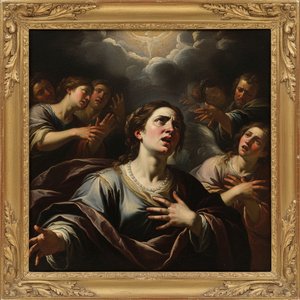
Self-Portrait
ジークレー/アートプリント
複製画サイズ一覧
-


合計金額
¥ 12603
A Portrait of Quiet Devotion: Carlo Dolci’s Self-Portrait
Carlo Dolci's "Self-Portrait," painted in 1674, is not merely a likeness; it’s an intimate glimpse into the soul of a Florentine master. This oil on canvas transcends the conventions of formal portraiture, offering instead a profound meditation on faith, artistic practice, and the quiet dignity of a life dedicated to spiritual contemplation. The painting immediately draws the viewer in with its somber palette – deep blacks, muted browns, and subtle grays—a deliberate choice that evokes a sense of introspection and solemnity, characteristic of Dolci’s distinctive style. The lighting is remarkably soft, diffusing light across his features and highlighting the delicate textures of his clothing, creating an atmosphere both serene and deeply personal.
At the heart of the composition lies Dolci himself, presented with a dignified restraint that speaks volumes about his artistic philosophy. He holds in his right hand a small, painted portrait – likely a devotional image or perhaps a representation of a loved one – a gesture laden with symbolic weight. This inclusion suggests themes of memory, legacy, and the artist’s own relationship to his craft. The crisp lines defining his clothing and face are hallmarks of Baroque realism, yet they're executed with an almost obsessive attention to detail, reflecting Dolci’s meticulous approach to every brushstroke. The subtle layering of elements – Dolci in the foreground, the miniature portrait receding slightly—creates a convincing sense of depth, anchoring the viewer within this intimate space.
The Florentine Baroque and Carlo Dolci's Unique Path
Carlo Dolci’s artistic journey is particularly noteworthy. Unlike many of his contemporaries who flocked to the grandeur of Rome, he remained firmly rooted in the traditions of Florence. This decision shaped his distinctive style—one characterized by a profound sense of piety, an avoidance of dramatic narratives, and an unwavering commitment to detail. He wasn't driven by the ambition of large-scale frescoes or dynamic compositions; instead, Dolci focused on creating small, intensely personal works that explored the depths of religious emotion. His life unfolded against a backdrop of artistic fervor, yet he carved out a unique path defined by quiet intensity and spiritual depth.
His training under Jacopo Vignali provided him with a solid foundation, but it was Dolci’s own innate talent—demonstrated early through works like the infant Christ – that truly set him apart. He wasn't interested in merely replicating reality; he sought to capture the essence of faith and devotion, imbuing his paintings with an almost palpable sense of spirituality. This dedication is evident in the meticulous rendering of his features, particularly the subtle nuances of light and shadow that bring his face to life.
Symbolism and the Miniature Portrait
The inclusion of the small painted portrait held by Dolci adds another layer of complexity to the work. While its precise meaning remains open to interpretation, it likely functions as a symbolic representation of memory, legacy, or perhaps even an embodiment of someone significant in his life. The act of holding this miniature image suggests a deep connection to the past and a reverence for those who have shaped his artistic vision. It’s a poignant reminder that art is not simply about depicting reality but also about preserving and honoring it.
Furthermore, Dolci's consistent repetition of compositions—often creating multiple versions of the same subject—underscores his methodical approach to painting. This practice wasn’t driven by mere habit; rather, it reflected a deep understanding of the spiritual power inherent in each image. Each iteration served as an opportunity for him to refine his technique and deepen his connection with the subject matter.
A Timeless Testament to Spiritual Devotion
Carlo Dolci’s “Self-Portrait” is more than just a painting; it's a window into the soul of a master artist. It stands as a testament to the power of faith, the beauty of meticulous craftsmanship, and the enduring appeal of quiet contemplation. Reproductions of this work offer a remarkable opportunity to experience the serenity and spiritual depth that defined Dolci’s artistic legacy—a legacy that continues to resonate with viewers today.
よくあるご質問
カルロ・ドルチ作「Self-Portrait」の全体的な雰囲気はどのようなものですか?
カルロ・ドルチ作「Self-Portrait」は、その情緒においてCalmと表現されます。この分類は、作品を空間やシーンに合わせる際の手助けとなります。
カルロ・ドルチ作「Self-Portrait」 の推奨プリントサイズを教えてください。
「Self-Portrait」は、Mediumのプリントサイズでの印刷をおすすめします。他のサイズについても、同じ比率でご利用いただけます。
カルロ・ドルチ作「Self-Portrait」 の画像はどのようにダウンロードすればよいですか?
カルロ・ドルチ作「Self-Portrait」の画像は、作品のダウンロードページからダウンロードいただけます:高解像度デジタル画像のダウンロード。
アーティストについて
フィレンツェ・バロックの敬虔な巨匠、カルロ・ドルチ
カルロ・ドルチは1616年にフィレンツェに生まれ、その深く献身的な作品と卓越した技術によって、同時代の芸術家の中でも際立った存在となりました。ローマの壮大なスケールに魅了される同僚とは異なり、ドルチはフィレンツェの伝統に根ざし、静かな深みと深い精神性を特徴とする独自のスタイルを確立しました。激しい芸術的熱気に満ちた時代の中で、彼は多作なアウトプットよりも、細部への揺るぎない献身と感情的な共鳴によって自身の道を切り開きました。ジャコポ・ヴィニャーリの下での初期の訓練から、ドルチは卓越した才能を示し、彼の作品を特徴づける精密さという評判をすぐに確立しました。彼は大規模な構図やダイナミックな物語に駆り立てられることはなく、むしろ宗教的な主題の親密な描写に焦点を当て、しばしば複数のバージョンで好みのテーマを繰り返し描きました—これはそれらの永続的な魅力と、おそらく彼の方法論的なアプローチを反映しています。幼少期と芸術的形成
ドルチの芸術的旅は、すでに創造性に触れられた家族の中で始まり、彼の生まれつきの能力を育むための初期の基盤を提供しました。非常に若い年齢でジャコポ・ヴィニャーリに弟子入りし、彼はドラマチックな才能で知られる巨匠の教えを取り入れましたが、ドルチはすぐに自身の独特な声を作り始めました。少年時代から、彼は細部に注意を払い、感情的な重みを伝える献身が明らかになりました。彼の徹底的なアプローチに関する逸話は数多く存在します—そのコミットメントは非常に徹底しており、体の片腕を完成させるのに何週間もかかったと伝えられています。この意図的なペースは遅さから生まれたのではなく、むしろ各ストロークに精神的な意味合いを与えるという強い願望、つまり信仰の表現のために努力することから生まれました。彼はフィレンツェのサークル内ですぐに認められ、著名な家族からの依頼を受け、成人する前に自身の工房を設立しました。他の芸術家がローマの活気ある芸術シーンを求めた一方で、ドルチはフィレンツェに残り、その伝統とパトロンと深くつながっていました。この故郷の都市への揺るぎない忠誠心は、彼のキャリアだけでなく、彼の芸術の本質をも形作りました。スタイルと代表的な作品
ドルチのスタイルはすぐに認識できます—豊かな色彩、細部へのこだわり、深い感情表現が調和して融合したものです。彼の絵画は壮大なスペクタクルについてではありません。それは信仰との親密な出会いであり、熟考を誘う優しさで描かれています。彼は聖人伝や聖書の物語の場面を頻繁に描き、静かな献身または痛ましい苦しみの瞬間を中心に据えました。たとえば、聖セバスチャンは英雄的な殉教者としてではなく、精神的な苦悩に打ちひしがれた人物として描かれており、彼の体を繊細に表現することで脆弱性よりも強さを強調しています。同様に、4人の福音書筆記者の描写は人間の心理に対する深い理解を示しており、それぞれの個性を驚くべき感度で捉えています。パンを分けるキリストもまた、控えめな優雅さと感情的な力で神聖な瞬間を伝える彼の能力を示す有名な作品です。ドルチの娘であるアグネーゼ・ドルチは、父親の芸術的ビジョンを広める上で重要な役割を果たし、巧みに父親の絵画の複製を作成しました—これにより、彼のリーチと影響がさらに拡大されました。これらの複製はオリジナル作品ではありませんでしたが、ドルチの作品に対する需要と彼のスタイルの永続的な魅力を証明しています。遺産と歴史的意義
カルロ・ドルチのフィレンツェ芸術への影響は否定できません。彼は都市におけるバロック様式の発展における重要な人物として立ち、その豊かな芸術的遺産に大きく貢献しました。ジョヴァンニ・ベッリーニやブラマンティーノなどの初期の巨匠の影響を受けながらも、彼は独自の道を切り開きました—静かな深みと献身的な焦点が特徴付けられ、多くの同時代の人々とは一線を画しています。彼の絵画は現在でもフィレンツェのウフィツィ美術館などの名門機関を飾っており、コンティーニ・ボナコッシ・コレクションはその作品を特に豊かに展示しています。ドルチの作品の永続的な魅力は、その技術的な卓越性だけでなく、深い精神的な感情を呼び起こす能力にもあります。彼は単に宗教的な場面を描いていたのではありません—信仰に関する視覚的な瞑想を作成し、視聴者が個人的なレベルで神とつながるように誘っていました。彼の遺産は彼の絵画を超えています—それは芸術的卓越性へのコミットメントと、芸術が敬虔さと熟考を促す力を持つという信念を表しています。今日でも、ドルチの傑作を探求することは、17世紀のフィレンツェの中心部とバロック様式のアートワークの永続的な力を垣間見ることができます。
カルロ・ドルチ
1616 - 1686 , イタリア
アーティスト情報
- Artistic Movement Or Style: バロック
- Artists Or Movements Influenced By This Artist: ['アニェーゼ・ドルチ']
- Artists Who Influenced This Artist: ['ジャコポ・ヴィニャーリ']
- Date Of Birth: 1616年5月25日
- Date Of Death: 1686年1月17日
- Full Name: カルロ・ドルチ
- Nationality: イタリア人
- Notable Artworks (List Of Titles):
- 聖セバスチャン
- パンを裂くキリスト
- 守護天使
- モーセ
- Place Of Birth (City And Country): フィレンツェ、イタリア
関連記事

バロックのドラマ:現代のインテリアに壮麗さと情感を取り込む
バロック様式の歴史、絵画、家具の魅力をご紹介。OriginalUniqueArtでは、高品質な油絵複製やカスタムポートレートをご提供し、現代のインテリアに壮麗さと情感を取り入れます。アートコンサルテーションも承ります。

Drama and Light: A Definitive Guide to the Italian Baroque Masterpieces and the Revolution of Chiaroscuro
Explore the dramatic world of Italian Baroque art. Discover how masters like Caravaggio used chiaroscuro and tenebrism to revolutionize painting through light, shadow, and profound realism. A definitive guide for history lovers and art collectors.
Chiaroscuro and Soul: A Definitive Guide to the Drama and Emotion of Italian Baroque Masterpieces
Embark on a sophisticated journey through Italian Baroque art. Discover the dramatic interplay of light and emotion in Caravaggio’s masterpieces and explore how to bring this timeless grandeur into your collection with expert art insights.

バロック美術を極めた至宝:時代を彩る10大名作の世界
バロック美術の華!カラヴァッジョ、ベルニーニら巨匠が創り上げた10大名作を徹底解剖。ドラマチックな色彩と豪華絢爛の世界観に触れ、至宝のアートプリントで空間を彩ろう。OriginalUniqueArt.comで美術館品質の複製と洗練されたインテリアを見つけましょう!

Baroque Classicism: The Grandeur of Order and Drama in 17th-Century Art History
Explore the profound elegance of Baroque Classicism. Discover how 17th-century masters synthesized dramatic emotion with classical order through the lens of the Counter-Reformation and the works of legends like Carlo Maratta and Andrea Sacchi.