

 設置イメージを確認
 送る
送る シェア
シェア
 詳細情報
詳細情報 ガイドを表示

 画像をダウンロード
 似ている作品
 X線調査
X線調査 スライドショー
 統計情報
統計情報The Angler
 Oil On Canvas
- WallArt
- Romanticism
 25.0 x 18.0 cm
 Gemäldegalerie Alte Meister
 続きを読む
続きを読む
手描き油彩複製画
当社のアーティストが、お客様のご希望のサイズと額縁に合わせて、キャンバスに手描きで制作する油彩画です。 ( プリント版に切り替え デジタル画像販売へ切り替え)




P118B ¥10

P118H ¥10

P118W ¥10

P438Z ¥10

P508JH ¥12

P508YH ¥12

P805H ¥10

P805Z ¥10

P919BZ ¥10

P919G ¥10

P919XJ ¥10

P959ZH ¥10

P968JZ ¥12

W106C ¥8

W218G ¥10

W218JH ¥8

W218Y ¥10

W307PJ ¥10

W316G ¥10

W316PJ ¥8

W316Y ¥10

W398PJ ¥8

W4111J ¥10

W500HY ¥15

W500JH ¥15

W692G ¥12

W849H ¥8

W940BG ¥15

W953PJ ¥8




作品のオリジナル比率に合わせた、当店の規定サイズからお選びください。

フレームや壁のスペースに合わせて、ご希望の幅と高さを入力してください。本作品は手描きのため、異なる比率のサイズをご希望の場合、絵画の周囲を少し広げて描くか、あるいは端を少しカットして調整することが可能です。お客様のご要望に合わせます。制作を開始する前に、仕上がりを確認するためのデジタルモックアップをお送りいたします。このページに表示されている画像は完成品の実物ではなく、あくまでモックアップによるイメージです。
ご注文後、OriginalUniqueArt.com チームより詳細な指示をお送りするとともに、仕上がりイメージ(モックアップ)をご提供いたします。


 ガラスオプションは、110cm未満のサイズでのみご利用いただけます。

The Angler
再現技法
複製画サイズ一覧
-


合計金額
¥ 55109
A Moment of Reflection Amidst Bavarian Serenity: Exploring Carl Spitzweg’s “The Angler”
Carl Spitzweg's "The Angler," painted sometime around 1860, embodies the quintessential spirit of Biedermeier art – a genre celebrated for its understated elegance and poignant portrayal of everyday life. More than just a picturesque landscape, this artwork speaks volumes about Romantic ideals of contemplation and communion with nature, offering viewers a glimpse into a tranquil Bavarian scene steeped in symbolic resonance.- Subject Matter & Composition: The painting depicts a secluded grotto nestled amongst towering cliffs and lush foliage. At its heart is a solitary figure – likely a monk or scholar – diligently engaged in writing or studying, accompanied by several others resting peacefully on rocks. This deliberate arrangement underscores the theme of solitude as a catalyst for intellectual pursuit and spiritual introspection.
- Style & Influences: Spitzweg’s approach aligns seamlessly with Romantic artistic sensibilities. Rejecting grand narratives and theatrical displays favored by earlier movements, he prioritizes capturing fleeting moments of beauty and emotion with remarkable sensitivity. His style draws heavily from Flemish masters like Jan Vermeulen and Gerard Terwesten, absorbing their mastery of atmospheric perspective and meticulous attention to detail – techniques crucial for conveying the profound stillness of the landscape.
Technique & Material Considerations
Executed in oil on canvas, “The Angler” exemplifies Spitzweg’s dedication to capturing subtle nuances of light and texture. The artist employs layering and blending skillfully, creating a luminous effect that imbues the scene with an ethereal quality. Loose brushstrokes contribute to the impressionistic style, prioritizing expressive marks over precise representation. Notably, Spitzweg utilizes atmospheric perspective—a technique perfected during this period—to convincingly depict distance, diminishing color intensity and reducing detail in the background elements. This masterful manipulation of visual cues powerfully reinforces the sense of depth and contributes significantly to the artwork’s overall mood.- Color Palette & Texture: The painting's palette leans towards earthy tones – browns, greens, and ochres – punctuated by cool blues and greens dominating the shadowed recesses of the grotto. Spitzweg meticulously builds up texture through varied brushstrokes, simulating the roughness of stone surfaces and the dense foliage of the surrounding trees. These textural choices are not merely decorative; they actively engage the viewer’s senses, transporting them into the depicted environment.
- Symbolism & Emotional Impact: Beyond its aesthetic beauty, “The Angler” carries profound symbolic weight. The solitary figure represents the pursuit of knowledge and spiritual enlightenment amidst the grandeur of nature—a core preoccupation of Romantic artists. The tranquil setting evokes feelings of serenity, peace, and contemplation, inviting viewers to pause and appreciate the restorative power of solitude. Spitzweg’s ability to distill complex ideas into a deceptively simple visual form elevates this artwork beyond mere landscape painting; it becomes an emblem of humanist values and artistic idealism.
A Legacy of Quiet Beauty
“The Angler” stands as a testament to Carl Spitzweg’s enduring contribution to German Romantic art. Its understated elegance, combined with its masterful execution and evocative symbolism, continues to resonate with audiences today. Reproductions crafted by OriginalUniqueArt offer an exceptional opportunity to experience the captivating charm of this iconic piece—a timeless reminder that beauty can be found in the simplest of observations and that true artistic achievement lies in capturing the essence of human emotion within a meticulously rendered landscape.よくあるご質問
「The Angler」の主題は、カール・シュピッツヴェークの通常のテーマとどのように関連していますか?
カール・シュピッツヴェークの記録されたテーマであるromantic ideals, nature's embrace, biedermeier domesticity, german life, solitude, introspection, quietude, spitzweg's serene landscapes"の中でも、「The Angler」はromantic landscape, solitude & contemplation, grotto scene, nature retreat, 19th century germany, atmospheric perspective, quiet reflectionに独自の焦点を当てています。
Gemäldegalerie Alte Meister所蔵の「The Angler」の複製権について教えてください。
Gemäldegalerie Alte Meisterに所蔵されているカール・シュピッツヴェーク作「The Angler」は、パブリックドメイン(著作権消滅)です。このステータスにより、画像の複製が可能かどうかが決まります。
「The Angler」のRomanticism様式には、どのような情緒的なトーンが漂っていますか?
「The Angler」は、Romanticismのムーブメントにおいて、Mysteriousな情緒を湛えています。
アーティストについて
穏やかな観察に捧げられた人生:カール・シュピッツヴェークの世界
1808年2月5日、バイエルン地方の小さな村ウンタープファッフェンホーフェンで生まれたカール・シュピッツヴェークの芸術への道は、決して平坦なものではありませんでした。当初、父親の願いに従い、実用的な人生を送る運命にありました。すなわち、薬局見習いとして働くことでしたが、病気と回復の過程で、潜在していた絵画への情熱が花開きました。しかし、これは突発的な転向ではありませんでした。それは、フランドルの巨匠たちの作品を模写し、その細部へのこだわりと大気的な深みを吸収することで育まれた、徐々に展開していくものでした。初期の数年間は、父親の計画に忠実に従いましたが、薬学の研究の中でもシュピッツヴェークの芸術的傾向は持続し、創造的な表現を切望する魂を暗示していました。彼の家族背景は比較的裕福でした。成功した商人であった父シモン・シュピッツヴェークと、裕福な家庭出身の母フランツィスカ・シュムッツァーは、安定した基盤を提供しましたが、当初は息子の芸術的志向を理解していなかったかもしれません。彼が最終的に受け継いだ遺産は画期的であり、1833年に絵画に専念するための経済的な自由を与えました。薬局からパレットへ:独自の芸術的声の確立
シュピッツヴェークの独学でのアプローチは、彼の独特なスタイルを形作る上で不可欠でした。彼はアカデミックな制約や壮大な歴史絵画の流行に縛られることなく、自身の道を切り開きました。彼は、穏やかなユーモアと鋭い観察眼をもって、平凡な人々の日常生活に焦点を当てました。プラハ、ヴェネツィア、パリ、ロンドン、ベルギーへの旅行は、単なる観光旅行ではなく、光、色彩、人間の性格を深く研究するものでした。これらの旅は彼の芸術的視野を広げましたが、彼は依然として親密さ、家庭生活、そして中流階級の生活に焦点を当てたビーダーマイヤー様式に根ざしていました。ニコラース・ベルケムやゴンサレス・コークスといったオランダ黄金時代の画家からの影響も吸収しました。それは彼の細部への徹底的な注意と暖かく土のようなパレットの色調に明らかです。しかし、シュピッツヴェークは単なる模倣にとどまりませんでした。彼はこれらの影響を総合し、現実主義、空想、そして彼自身の時代精神をとらえた微妙な風刺が融合した、他に類を見ないものを生み出しました。初期の風刺雑誌への貢献は、複雑な観察を簡潔で視覚的に魅力的な物語に凝縮する能力を高めました。ビーダーマイヤーの魅力:テーマと技法
シュピッツヴェークの絵画は過ぎ去った時代の窓であり、19世紀ドイツの生活の一端を愛らしい魅力とともに垣間見せてくれます。彼は風変わりな人物を描くことに長けていました。書物に没頭している学者、不安に苛まれている神経質な人、蝶を追い求める夢中になっている狩人など、彼らは人間の特性と脆弱性を体現しています。これらは嘲笑するためのカリカチュアではなく、個性を祝福する愛情のこもった肖像画でした。おそらく彼の最も象徴的な作品である『貧しい詩人』は、このアプローチの典型です。それは孤独と知的な情熱を表現したものであり、卓越した感性をもって描かれています。彼の技法は細部へのこだわり、繊細な筆致、そして雰囲気やムードを作り出す光と影の巧みな使用によって特徴付けられます。彼は劇的な物語や壮大なジェスチャーには興味がなく、むしろ日常の中に美しさを見出し、平凡なシーンを芸術の域に高めました。彼の絵画は現実の単なる再現ではなく、彼自身の穏やかな機知と共感的な理解が込められた解釈なのです。遺産と永続する魅力
カール・シュピッツヴェークの影響は、19世紀ドイツ絵画の領域を超えています。主流の美術史においてはしばしば見過ごされがちですが、彼の作品は世代を超えて多くの芸術家や鑑賞者の心を捉え続けています。ユーモアと慈愛をもって日常生活の本質を捉える能力は、今日でも人々を魅了し続けています。『蝶の狩人』や『修道院学校への遠足』のような絵画の永続的な人気は、その時代を超越した魅力の証です。シュピッツヴェークの遺産は、後の芸術家たちにも見られます。例えば、ノーマン・ロックウェルは『貧しい詩人』に敬意を表して、同じ主題を自身の作品で表現しました。彼の絵画はミュンヘンのシャックギャラリーやオーストリアのリンツにあるヴォルフガング・グルリット美術館など、世界中の著名な博物館やコレクションに所蔵されており、彼の芸術的ビジョンが今後も人々にインスピレーションと喜びを与え続けることを保証しています。彼は1885年9月23日に亡くなり、1,500点以上の絵画と素描からなる豊かな遺産を残しました。それは彼のユニークな才能と世界への永続的な貢献の証です。
カール・シュピッツヴェーク
1808 - 1885 , ドイツ
アーティスト情報
- Artistic Movement Or Style: biedermeier, ロマン主義
- Artists Or Movements Influenced By This Artist: ['ノーマン・ロックウェル']
- Artists Who Influenced This Artist: ['フランドルの巨匠たち']
- Date Of Birth: 1808年2月5日
- Date Of Death: 1885年9月23日
- Full Name: カール・シュピッツヴェーク
- Nationality: ドイツ人
- Notable Artworks (List Of Titles):
- 貧しい詩人
- 蝶の捕獲者
- 神経質な人
- Place Of Birth (City And Country): ドイツ、ウンタープファッフェンホーフェン
関連記事
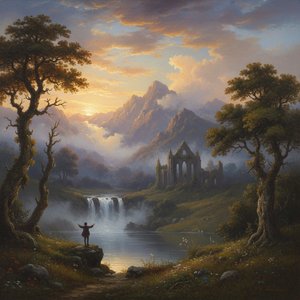
Evoking Emotion & Transcendence: Romantic Landscape Painting (18th-19th Century)
Explore the emotional depth of Romantic landscape painting (18th-19th century). Discover key artists like Friedrich & Cole, and the concepts of the sublime. Expert insights for art lovers & collectors.

ロマン派ランドスケープ:時代を彩る巨匠の10選|アートとインテリアの世界
ロマン派絵画の時代を彩る10選。巨匠たちの風景が織りなす感動の世界へ。ターナー、ルーベンスなど、名作の裏話と高精細複製でアートをお部屋に。OriginalUniqueArt.comで至福のアート体験を。

The Sublime and the Picturesque: Exploring Emotion & Nature in Romantic Landscape Painting
Explore the emotional power of Romantic landscape painting! Discover the sublime & picturesque traditions, key artists like Friedrich & Cole, and find your perfect artwork at OriginalUniqueArt.

Evocations of Place: A Historical Journey Through Landscape Art
Explore the rich history of landscape art with OriginalUniqueArt. Discover renowned artists, movements like Impressionism & Romanticism, and expert guidance for collecting timeless pieces. Find your perfect serene escape today!
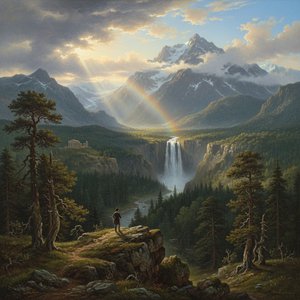
Evoking Nature's Sublime: A Comprehensive Exploration of 19th-Century Landscape Painting
Explore the captivating world of 19th-century landscape painting! Discover renowned artists like Friedrich & Monet, key movements, and find the perfect artwork to bring nature's serenity into your home. Expert insights at OriginalUniqueArt.


