

 設置イメージを確認
 送る
送る シェア
シェア
 詳細情報
詳細情報 ガイドを表示

 画像をダウンロード
 似ている作品
 X線調査
X線調査 スライドショー
 統計情報
統計情報Scaffold in Storm
 Acrylic On Canvas
- WallArt
- Romantic Industrialization
 1833
1833 29.0 x 46.0 cm
 Gemäldegalerie Alte Meister
 続きを読む
続きを読む
手描き油彩複製画
当社のアーティストが、お客様のご希望のサイズと額縁に合わせて、キャンバスに手描きで制作する油彩画です。 ( プリント版に切り替え デジタル画像販売へ切り替え)




P118B ¥10

P118H ¥10

P118W ¥10

P438Z ¥10

P508JH ¥12

P508YH ¥12

P805H ¥10

P805Z ¥10

P919BZ ¥10

P919G ¥10

P919XJ ¥10

P959ZH ¥10

P968JZ ¥12

W106C ¥8

W218G ¥10

W218JH ¥8

W218Y ¥10

W307PJ ¥10

W316G ¥10

W316PJ ¥8

W316Y ¥10

W398PJ ¥8

W4111J ¥10

W500HY ¥15

W500JH ¥15

W692G ¥12

W849H ¥8

W940BG ¥15

W953PJ ¥8




作品のオリジナル比率に合わせた、当店の規定サイズからお選びください。

フレームや壁のスペースに合わせて、ご希望の幅と高さを入力してください。本作品は手描きのため、異なる比率のサイズをご希望の場合、絵画の周囲を少し広げて描くか、あるいは端を少しカットして調整することが可能です。お客様のご要望に合わせます。制作を開始する前に、仕上がりを確認するためのデジタルモックアップをお送りいたします。このページに表示されている画像は完成品の実物ではなく、あくまでモックアップによるイメージです。
ご注文後、OriginalUniqueArt.com チームより詳細な指示をお送りするとともに、仕上がりイメージ(モックアップ)をご提供いたします。


 ガラスオプションは、110cm未満のサイズでのみご利用いただけます。

Scaffold in Storm
再現技法
複製画サイズ一覧
-


合計金額
¥ 47184
A Tempestuous Vision: Carl Blechen’s “Scaffold in Storm”
Carl Blechen's "Scaffold in Storm," painted in 1833, isn’t merely a landscape; it’s a visceral embodiment of the Romantic era’s fascination with nature’s untamed power and the encroaching realities of industrialization. This oil on canvas, measuring a modest 29 x 46 cm, housed within the Gemäldegalerie in Dresden, Germany, immediately commands attention with its dramatic intensity. Blechen, a pivotal figure often overlooked yet profoundly influential, masterfully captures a moment suspended between chaos and a strange, unsettling beauty.
The scene unfolds upon a rugged, almost primordial landscape dominated by a dark, brooding sky pregnant with the promise of a violent storm. A rocky outcrop, starkly contrasted against the turbulent heavens, serves as the anchor for two imposing structures – what appear to be scaffolding or platforms – reaching upwards like skeletal fingers. These aren’t idyllic retreats; they possess an unsettling quality, hinting at human intervention disrupting the natural order. Blechen's masterful use of color is key here: a restrained palette of blues, grays, and blacks dominates, creating a sense of oppressive weight and impending doom. Yet, within this darkness, flashes of light – primarily in the structures themselves – offer fleeting moments of visual relief, drawing the eye and emphasizing their precarious position.
The Language of Romanticism: Light, Atmosphere, and Emotion
Blechen’s artistic approach is deeply rooted in the tenets of Romanticism. Unlike the Neoclassical emphasis on reason and order, Romantic artists sought to capture subjective experience, prioritizing emotion and intuition. “Scaffold in Storm” exemplifies this perfectly. The loose, expressive brushstrokes – a hallmark of Blechen's style – convey not just the physical appearance of the storm but also its emotional impact. There’s a palpable sense of unease, a feeling of vulnerability in the face of nature’s overwhelming force. Blechen wasn’t simply depicting a weather event; he was translating it into a profound psychological state.
Furthermore, Blechen's deliberate use of light is crucial to the painting’s effect. He doesn’t attempt to render a realistic depiction of sunlight piercing through clouds. Instead, he employs diffused light and shadow to heighten the drama and create an atmosphere of mystery. The contrast between the lighter structures and the enveloping darkness serves as a powerful visual metaphor – suggesting both human ambition and its potential fragility against the vastness of the natural world.
A Pioneer in Industrialized Landscapes
What sets Blechen’s work apart is his engagement with the rapidly changing landscape of 19th-century Germany. He wasn't solely focused on idealized nature; he documented the visible effects of industrialization – the construction of roads, canals, and infrastructure – often juxtaposing them with the remnants of a more primal wilderness. “Scaffold in Storm” can be interpreted as a commentary on this collision between tradition and progress. The scaffolding itself represents human endeavor, attempting to impose order upon the chaotic forces of nature, yet ultimately dwarfed by its immensity.
His early career was shaped by his time in Italy, where he developed a keen eye for color and composition, which he then brought back to Germany. This exposure to Italian landscapes profoundly influenced his style, contributing to the painting's evocative atmosphere and masterful use of light and shadow. The Gemäldegalerie’s collection offers a valuable opportunity to witness this pivotal moment in Blechen’s artistic development.
Collecting the Storm: Reproduction and Artistic Legacy
Reproductions of “Scaffold in Storm” offer a remarkable way to bring this powerful image into your home or office. Whether you choose a high-quality print on canvas or a meticulously crafted oil painting reproduction, capturing Blechen’s atmospheric intensity remains a significant challenge. The dynamic brushwork and subtle color variations are best appreciated when reproduced with careful attention to detail. Consider pairing this artwork with other pieces from the Romantic era – works by Caspar David Friedrich or Joseph Anton Koch – to create a cohesive collection that celebrates the beauty and drama of the natural world.
For further exploration, we encourage you to visit the Gemäldegalerie in Dresden, Germany, or explore online resources such as Carl Blechen’s page on OriginalUniqueArt.com, where you can discover more about his life, work, and legacy.
よくあるご質問
カール・ブレヒェン作「Scaffold in Storm」のプリントには、どのようなサイズと向きがおすすめですか?
Large サイズ、Landscape 方向:こちらは カール・ブレヒェン作「Scaffold in Storm」 に推奨されるプリント設定です。
「Scaffold in Storm」の作者は?
「Scaffold in Storm」はカール・ブレヒェンの作品とされています。
カール・ブレヒェン作「Scaffold in Storm」は、どの芸術運動に属していますか?
カール・ブレヒェン作「Scaffold in Storm」に関連する芸術運動はRomantic Industrializationです。この分類により、本作は関連する他の芸術家や作品群の中に位置づけられます。
アーティストについて
カール・ブレヒェンの生涯と芸術:ロマン主義工業化の先駆者
1798年にドイツのコットブスで生まれたカール・エドゥアルト・フェルディナンド・ブレヒェンは、風景画の伝統の中で独特かつ見過ごされがちな位置を占めています。彼の人生は、芸術的な才能と個人的な苦悩の両方によって特徴づけられ、その二面性が彼の感動的で画期的な作品に深く影響を与えました。当初、家族の経済状況から銀行員の現実的なキャリアに進む運命でしたが、ブレヒェンの生まれつきの芸術的傾向が最終的に優勢となりました。1822年にベルリン美術アカデミーに入学し、初期の工業化がもたらす美的課題—そして可能性—に取り組むことになった道へと進みます。
ブレヒェンが形成期に触れたのは、ヨーロッパ全体を席巻していたロマン主義の理想でした。しかし、彼と同時代の多くの画家たちが理想化された自然美や歴史的な壮大さに焦点を当てていたのに対し、ブレヒェンの視線は変化する世界に向けられていました。1828年から1829年までのイタリアへの重要な旅は、転換点となりました。イタリアの田園地帯の光と雰囲気に浸り、彼はプレネール・スケッチのスキルを磨き、卓越した感性でつかの間の瞬間や劇的な効果をとらえました。これらのスケッチは単なる準備研究ではありませんでした。それは彼の成熟したスタイルを特徴づける鮮やかなエネルギーが込められていました。彼はベルリンに、技術的に熟練した画家としてだけでなく、自然の崇高な美しさと迫りくる現代性の現実を調和させようとする独自のビジョンを持つ芸術家として帰還しました。
伝統と変革の間で
ブレヒェンの芸術的アウトプットは、ロマン主義的な感性と萌芽するリアリズムの間の説得力のある緊張によって特徴づけられます。彼は勃興する工業景観を描くことをためらいませんでしたが、それを無批判的に称賛することもしませんでした。1830年から1832年に描かれた悪魔の橋の建設 (Bau der Teufelsbrücke)は、このアプローチを例証しています。この絵画はエンジニアリングの偉業を美化するのではなく、劇的な背景の中で困難な労働の場面を描き、人間の野心と自然秩序を混乱させる可能性を示唆しています。彼の時代特有の複雑さに立ち向かう意欲は、同時代の多くの画家たちから彼を際立たせています。
彼の風景画にはしばしば憂鬱な雰囲気があり、変化する物理的環境だけでなく、彼自身の内面の葛藤も反映されています。たとえば、シュパンダウの森の道 (Waldweg bei Spandau)は、孤独と内省の感覚を呼び起こし、同時にブレヒェンの光と影の習熟度を示しています。彼は大気遠近法を巧みに使用して奥行きとムードを作り出し、鑑賞者をシーンに引き込み、熟考を促しました。彼は単に見ているものを記録していたのではありません。それに対して、それに対する感情的な反応を伝えていました。
苦悩の天才と永続的な遺産
芸術的業績にもかかわらず、ブレヒェンの人生は悲劇的に精神疾患によって短く切り捨てられました。1831年にベルリンアカデミーの風景画教授に任命された—彼の高まる評判の証—彼の状態は1835年以降急速に悪化し始めました。休暇を取り、最終的には入院を余儀なくされましたが、彼は苦悩の中でも芸術を作り続け、彼の苦悩の内なる世界を垣間見ることができる痛ましいドローイングを生み出しました。彼は41歳でベルリンで亡くなりました。
彼のキャリアは比較的短いものでしたが、カール・ブレヒェンの後世の世代の芸術家たちへの影響は否定できません。工業景観の先駆的な描写は、後に現実主義者や印象派の画家たちが現代生活の変化をとらえようとした道を開きました。彼は変革の中でも美しさ—そして意味—を見つけることが可能であることを示しました。それは今日でも芸術家に響き続ける教訓です。彼の作品は、人間と自然と進歩の関係の複雑さを思い起こさせる強力なリマインダーであり続けています。
主要な作品とコレクション
- ベルリン動物園 (Im Berliner Tiergarten), 1825:ロマン主義的な感性で大気効果や日常のシーンをとらえる彼の初期の能力の例。
- シュパンダウの森の道 (Waldweg bei Spandau):光、影、ムードの習熟度を例証する幽玄な風景画。
- 悪魔の橋の建設 (Bau der Teufelsbrücke), 1830–32:初期の工業化の画期的な描写であり、人間の野心とその自然界への影響の両方を示しています。
今日、ブレヒェンの作品は、ドイツのビーレフェルト美術館、ケンブリッジのフィッツウィリアム美術館、ロンドンのナショナル・ギャラリーなど、世界中の著名な博物館コレクションに見られます。これらの機関は彼の遺産を未来の世代のために保存し、彼の革新的なビジョンが鑑賞者に刺激と挑戦を与え続けることを保証しています。
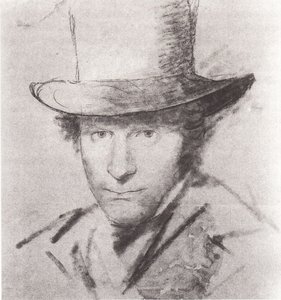
カール・ブレヒェン
1798 - 1840 , ドイツ
アーティスト情報
- Artistic Movement Or Style: ロマン主義
- Artists Who Influenced This Artist:
- カスパール・ダーヴィト・フリードリヒ
- ヨハン・クリスチャン・ダール
- Date Of Birth: 1798年7月29日
- Date Of Death: 1840年7月23日
- Full Name: カール・エドゥアルト・フェルディナント・ブレヒェン
- Nationality: ドイツ人
- Notable Artworks (List Of Titles):
- ベルリンの動物園
- シュパンダウの森の道
- 悪魔の橋の建設
- Place Of Birth (City And Country): コットブス、ドイツ
関連記事

Evocations of Place: A Historical Journey Through Landscape Art
Explore the rich history of landscape art with OriginalUniqueArt. Discover renowned artists, movements like Impressionism & Romanticism, and expert guidance for collecting timeless pieces. Find your perfect serene escape today!
Industrial Revolution on Canvas: 10 Artworks That Define a Modern Aesthetic
Explore 10 iconic artworks capturing the Industrial Revolution’s grit & beauty. From Monet to Manet, discover realism, impressionism & powerful scenes of urban life. Find museum-quality reproductions for your home at OriginalUniqueArt.com.

ジョン・コンスタブルの傑作25選:英国風景画の巨匠が描く自然と光の詩 | OriginalUniqueArt
ジョン・コンスタブルの傑作25選。英国風景画の巨匠が描く自然と光の詩の世界へ。ロマン主義を代表する絵画、デダム・ヴェールやヘイ・ウェインなど、OriginalUniqueArtで高品質なアートプリントをお楽しみください。インテリアに深みと感動を。コレクションはこちら。

ロマン派ランドスケープ:時代を彩る巨匠の10選|アートとインテリアの世界
ロマン派絵画の時代を彩る10選。巨匠たちの風景が織りなす感動の世界へ。ターナー、ルーベンスなど、名作の裏話と高精細複製でアートをお部屋に。OriginalUniqueArt.comで至福のアート体験を。

Evoking Nature's Sublime: A Comprehensive Exploration of 19th-Century Landscape Painting
Explore the captivating world of 19th-century landscape painting! Discover renowned artists like Friedrich & Monet, key movements, and find the perfect artwork to bring nature's serenity into your home. Expert insights at OriginalUniqueArt.