メニュー
無料アート相談
プレビュープレビュー ARで試着ARで試着 プリント版に切り替え プリント版に切り替え画像に切り替え 画像に切り替え シェアするシェアする
詳細を見る詳細を見る お気に入りに追加 お気に入りに追加 ダウンロードダウンロード 似ている作品似ている作品 X線調査X線調査 スライドショースライドショー

Marathon

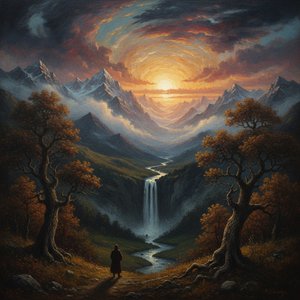
Experience the dramatic mood of Rottmann's 1848 landscape, featuring a tumultuous sky over rugged terrain; bring this masterpiece home today.

Explore the evocative landscapes of Carl Rottmann – German Romanticism master! Discover his mythical scenes & Bavarian vistas. A key figure in 19th-century art.

手描き油彩複製画

当社のアーティストが、お客様のご希望のサイズと額縁に合わせて、キャンバスに手描きで制作する油彩画です。 (プリント版に切り替え プリント版に切り替え画像に切り替え 画像に切り替え)

P118B $10
P118H $10
P118W $10
P438Z $10
P508JH $12
P508YH $12
P805H $10
P805Z $10
P919BZ $10
P919G $10
P919XJ $10
P959ZH $10
P968JZ $12
W106C $8
W218G $10
W218JH $8
W218Y $10
W307PJ $10
W316G $10
W316PJ $8
W316Y $10
W398PJ $8
W4111J $10
W500HY $15
W500JH $15
W692G $12
W849H $8
W940BG $15
W953PJ $8

Standard
custom
CM
INCH

作品のオリジナル比率に合わせた、当店の規定サイズからお選びください。

高さ

特定のフレームやスペースに合わせて、ご希望のサイズをご入力いただけます。選択されたサイズが元の画像の比率と異なる場合、アートワークをトリミングするか、手描きで要素を追加して絵画を拡張いたします。デジタルモックアップ を制作し、制作開始前にご確認(承認)をいただきます。
画面上のプレビューは、実際のトリミングや拡張を正確に反映しているものではありません。最終的な構図は、モックアップによってのみ正確にご確認いただけます。
カスタムサイズもご利用いただけますが、元の比率を維持するためには、あらかじめ用意されたリストからサイズを選択することをお勧めいたします。

カスタマイズの例:顔をお客様の写真に置き換える、ペットを追加する(例:猫を犬に変更)、背景に隠れたメッセージを入れる、背景の風景や要素を変更するなど。
ご注文後、OriginalUniqueArt.com チームより詳細な指示をお送りするとともに、仕上がりイメージ(モックアップ)をご提供いたします。

世界中への配送()は、通常の5週間ではなく、3〜4週間でお届けいたします。(4 8月)。品質には一切妥協いたしません。

why_choose_icon
世界中へ無料エクスプレス配送
why_choose_icon
高品質なリネンキャンバス
why_choose_icon
配送時完全保険付
why_choose_icon
関税・輸入税の払い戻し保証
why_choose_icon
忠実な色彩再現保証
why_choose_icon
60日間返品保証(製造上の欠陥のみ)
why_choose_icon
100% 全額返金保証
why_choose_icon
まとめ買い割引のご案内

合計金額

$ 300

reproduction

Marathon

複製技法

複製画のサイズ

-

合計金額

$ 300

作品詳細

  • Artistic style: Realistic
  • Artist: Carl Anton Joseph Rottmann
  • Influences: Peter Paul Rubens
  • Medium: Oil on canvas
  • Year: 1848
  • Location: Neue Pinakothek, Munich
  • Dimensions: 157 x 200 cm

アート・クイズ

各質問の正解は1つだけです。

問題 1:
What is the title of the artwork being described?
問題 2:
In what year was Carl Anton Joseph Rottmann's painting 'Marathon' created?
問題 3:
Which natural element is a dominant feature in the foreground of the painting?
問題 4:
What is the general mood or atmosphere conveyed by the sky in 'Marathon'?
問題 5:
The painting style of Rottmann is noted to be reminiscent of which other notable artist?

作品解説

The Drama of the Elements: Capturing Nature's Majesty in Rottmann's Marathon

To stand before Carl Anton Joseph Rottmann’s Marathon is to be enveloped by the raw, untamed breath of nature itself. This monumental oil on canvas, painted in 1848, transcends mere landscape depiction; it is a profound meditation on power, transition, and the sublime indifference of the natural world. The scene unfolds with an almost overwhelming sense of depth, drawing the viewer's eye across rugged terrain where massive boulders litter the foreground like forgotten monuments to geological time. It is a place caught between moments—a pause before or after a monumental atmospheric event.

Mastery in Light and Shadow: Technical Brilliance

Rottmann’s technical prowess is immediately apparent, particularly in his handling of the sky. The canvas is dominated by a tumultuous, massive storm cloud that occupies the upper reaches, a brooding expanse of dark grays and deep blues. This celestial drama contrasts sharply with the muted earth tones that anchor the foreground and middle ground. Observe how the light struggles to penetrate this heavy canopy; it creates pockets of illumination on the distant rolling hills and casts dramatic shadows across the water below. The body of water acts as a perfect, somber mirror, reflecting the overcast grandeur above. This sophisticated interplay between light and shadow—a hallmark of Romantic landscape painting—gives the entire composition an electrifying, palpable atmosphere.

Historical Echoes and Emotional Resonance

Painted during the mid-19th century, Marathon speaks to the era's fascination with the sublime—that feeling of awe mixed with terror when confronted by nature’s overwhelming scale. While Rottmann draws stylistic comparisons to masters like Peter Paul Rubens in its dramatic energy, his focus here is on a more austere, almost monumental depiction of geological power. The scene evokes a sense of human insignificance against the backdrop of such vast, brooding forces. It whispers tales of endurance; the scattered life among the rocks suggests resilience, while the storm cloud hints at inevitable change.

Bringing the Sublime Home: Reproduction for the Modern Collector

For those who wish to invite this powerful emotional landscape into a contemporary setting, acquiring a high-quality reproduction allows one to experience Rottmann’s vision up close. Imagine this dramatic vista gracing your walls—a focal point that demands contemplation. The muted palette and deep sense of atmosphere make it exceptionally versatile, lending an air of cultivated drama and intellectual depth to any room. It is not merely decoration; it is a conversation piece, a window into the Romantic spirit, reminding us of nature's enduring, magnificent force.


アーティストの略歴

The Visionary Landscapes of Carl Rottmann

Born in the tranquil setting of Handschuhsheim, Germany, in 1797, Carl Anton Joseph Rottmann emerged as a profound voice within the movement of German Romanticism. His life and artistry were deeply intertwined with the shifting landscapes of 19th-century Europe, reflecting a period where the sublime beauty of nature met the burgeoning spirit of national identity. Unlike many of his contemporaries who focused on the intimate or the domestic, Rottmann possessed an expansive vision, seeking to capture the monumental scale of the world through sweeping vistas and mythic atmospheres. His journey was one of constant movement, traveling through the rugged terrains of Greece, Italy, and the Bavarian Alps, each location leaving an indelible mark on his palette and his perception of the divine within the natural world.

The development of Rottmann’s style was a masterful evolution from classical precision to a more emotive, atmospheric approach. Influenced by the grand traditions of landscape painting, he moved beyond mere topographical accuracy to embrace the sublime—that specific Romantic quality of awe and terror inspired by the vastness of nature. His technique involved a sophisticated understanding of light and shadow, using them not just to define form, and shape, but to evoke a sense of historical weight and mythic presence. In his hands, a mountain range was never just stone and ice; it was a silent witness to antiquity, a stage for the legends of old. This ability to infuse physical geography with spiritual and historical narrative became the hallmark of his mature period.

A Legacy of Light and Myth

Rottmann’s achievements are most notably seen in his ability to bridge the gap between the tangible world and the realm of imagination. His works often serve as windows into a lost era, where the ruins of ancient civilizations seem to breathe under the soft glow of a Mediterranean sun or the misty shroud of a northern forest. Through his meticulous attention to the interplay of light upon textures—the roughness of weathered stone, the translucency of water, and the softness of clouds—he achieved a level of luminosity that captivated the art world of his time.

The historical significance of his oeuvre lies in its role as a cornerstone of Romantic landscape art. His contributions can be summarized through several key artistic pillars:

  • The Synthesis of History and Nature: He pioneered a method of painting where the landscape itself acts as a vessel for historical memory, blending archaeological interest with poetic expression.
  • Mastery of Atmospheric Perspective: His use of color temperature and clarity to create depth allowed viewers to feel immersed in the vastness of his depicted scenes.
  • Cultural Documentation: Through his travels, he provided a visual record of the European landscapes that were central to the Romantic identity, particularly the Greek and Bavarian vistas.

Ultimately, the work of Carl Rottmann remains a testament to the power of the gaze to transform the ordinary into the extraordinary. He did not merely paint what he saw; he painted what he felt in the presence of greatness. His legacy continues to resonate with those who find beauty in the monumental and meaning in the silent, enduring features of our earth, ensuring his place as a vital figure in the tapestry of 19th-century European art.

carl anton joseph rottmann

carl anton joseph rottmann

1797 - 1850 , Germany

基本情報

  • Artistic Movement Or Style: Romanticism, Neoclassicism
  • Artists Or Movements Influenced By This Artist:
    • Joshua Reynolds
    • Romanticism
  • Artists Who Influenced This Artist:
    • Janys Zedres
    • Rembrandt
  • Date Of Birth: September 3, 1734
  • Date Of Death: August 29, 1797
  • Full Name: Joseph Wright of Derby
  • Nationality: English
  • Notable Artworks:
    • An Experiment on a Bird in the Air Pump
    • The Slaughtered Horse
    • A Man Defending His Cart
  • Place Of Birth: Derby, England
テーマ、スタイル、特徴別に分類された作品を探索しましょう。